Burn Bans Now Cover 55 Mississippi Counties, More Than Half the State, With Fines of $100 to $500 for Outdoor Burning
Under Section 49-19-351 of the Mississippi Code, anyone who knowingly and willfully breaks a county burn ban commits a misdemeanor punishable by a fine of $100 to $500, and that law now reaches most of the state. Burn bans covered 55 Mississippi counties as of Oct. 22, more than half the state, according to the Mississippi Forestry Commission figures reported by WDAM and WLBT. Dry air, low humidity and high winds are driving the orders.
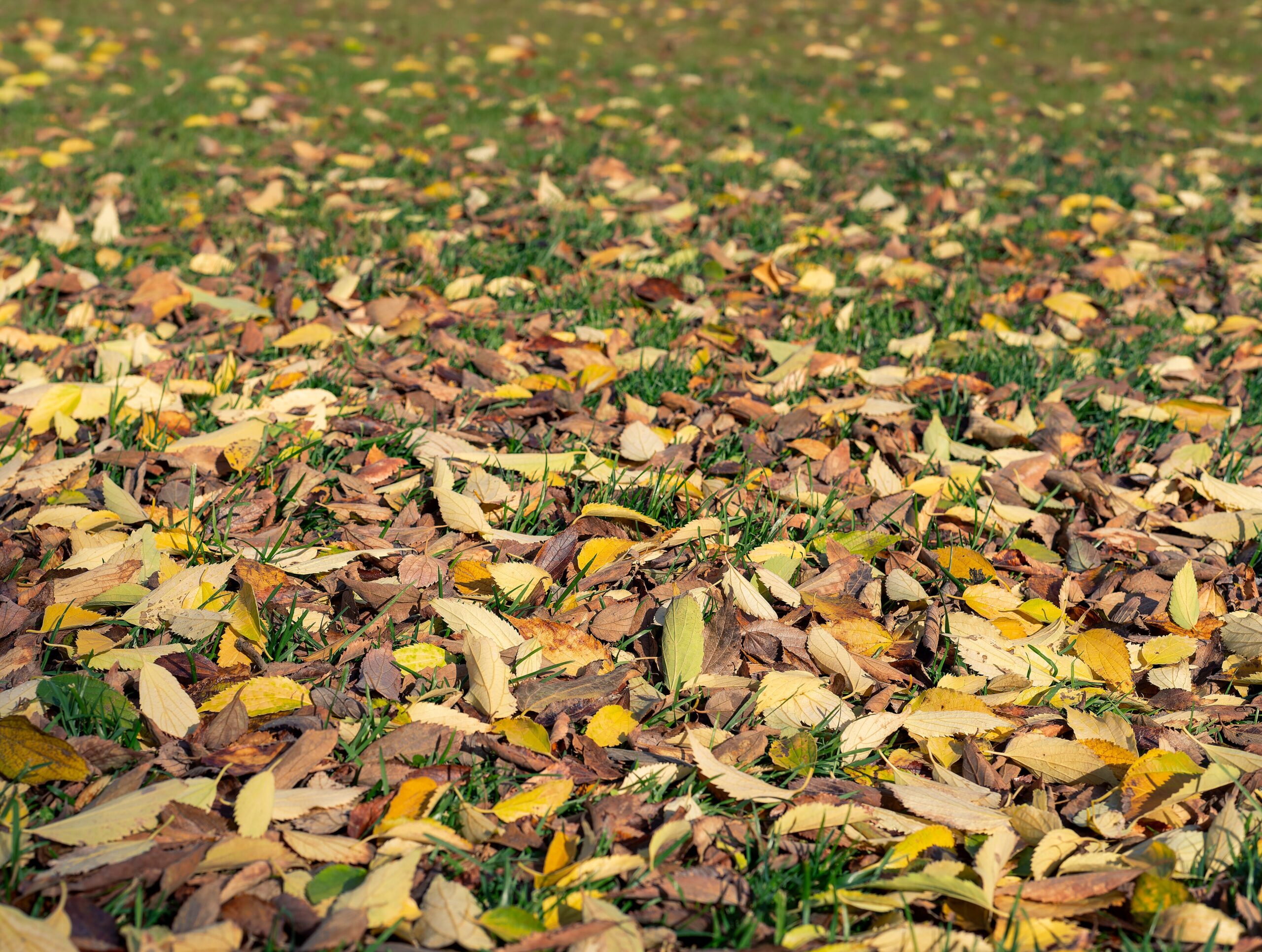
Leaf season has just started, which puts the bans squarely in the path of one of the most common fall yard chores.
What the Bans Prohibit, and What Is Still Allowed
A burn ban in Mississippi rules out any open flame that throws embers. The Forestry Commission’s burn ban guidance lists campfires, bonfires, fire pits, fire rings, burn barrels, debris burning and field burning as off-limits while an order is in effect. The agency warns that wind can carry embers up to half a mile.
Cooking outdoors is still possible with care. Propane and gas grills and heaters are allowed, and the commission also permits charcoal grills when they are used as the manufacturer directs, kept away from anything that can burn and never left unattended. Charcoal must cool completely and be doused with water before it goes into a metal container, and the ash should be cold to the touch.
Each county’s board of supervisors sets the terms of its own ban, and the state forester approves it. Some orders carry “No Exemptions.” Others allow burning by one or more of these groups:
- The Mississippi Forestry Commission
- Certified burn managers
- County fire services
- Commercial contractors using heavy construction equipment, when the burn meets Mississippi Department of Environmental Quality rules
- Agricultural field burns
- Other exemptions specific to that county
None of the named categories is aimed at homeowners burning leaf piles. Bans expire at midnight on the date listed in the order, and the commission posts each county’s status and exemptions on its website.
Shannon Coker, the Forestry Commission’s director of communications and government affairs, told WDAM that the governor can declare a statewide ban, but the current orders are county by county. Suspected violations go to the local sheriff’s office, and an active wildfire should be reported by calling 911.
Why Debris Burning Is the Main Target
The reason for the bans comes down to how wildfires start. “Nine out of 10 wildfires are caused by humans,” Coker said, adding that the “number one cause of wildfires in Mississippi is escaped debris burns.”
The numbers this fall back that up. About 1,000 wildfires have been recorded since July 1, and crews have been responding to 30 to 40 fires a day, according to the WDAM report. The U.S. Drought Monitor’s Mississippi map, updated weekly by the National Drought Mitigation Center at the University of Nebraska-Lincoln, tracks the dry conditions behind those fires; the latest map is valid as of Oct. 20, 2026.
Some residents want the rules tighter still. Melissa Floyd Brewer of Edwards, in Hinds County, told the station that burning nearby has moved closer to her home and that rural, wooded areas should not have exemptions at all. Neighbors’ fires during dry spells are a familiar flashpoint, as in a drought-season backyard bonfire that drew the fire brigade.
Leaf burning is also more restricted than many homeowners realize, even without a ban. The Mississippi Department of Environmental Quality’s open burning fact sheet says the general prohibition on residential open burning applies to leaves and other yard waste. The exception is limited to places where MDEQ has deferred to a local government with an approved ordinance, and even there residents may burn yard waste only on the property where it came from. Household garbage is generally prohibited from open burning everywhere.
Handling Fall Leaves Without a Match
With burning off the table in 55 counties, composting is the most practical home for a season’s worth of leaves. Duane Friend, an energy and environment educator with University of Illinois Extension, recommends building a pile in layers: 6 to 8 inches of brown material such as leaves, then 1 to 2 inches of green material such as vegetable scraps or manure, then 1 to 2 inches of garden soil, repeating until the bin is full and then mixing it together.
“To get a good ratio of carbon and nitrogen, materials should be layered,” Friend said. The pile should feel like a damp sponge. If water squeezes out, more dry leaves help; if it feels dry, a little water does. Turning it now and then adds oxygen and speeds things up.
Friend’s guidance also lists what to leave out of a backyard pile: meat, bones, oils, grease, pet waste and dairy. A home compost pile can take six months to a year to finish, and the result should be dark, crumbly and earthy-smelling. A step-by-step look at composting fall leaves the right way covers the same basics for gardeners starting their first pile.
For homeowners in counties without a ban, the Forestry Commission’s warning about embers still applies. Checking the county’s status on the commission’s website before lighting anything, and never leaving a fire unattended, are the precautions that keep a small yard job from becoming one of the day’s 30 to 40 fire calls.
The bans will stay in place county by county until supervisors and the state forester decide conditions have improved. Until then, a leaf pile in any of the 55 counties belongs in a compost bin or a yard waste bag, not a burn barrel, and a $100 to $500 fine awaits anyone who decides otherwise.
Get stories like this by email. Sign up for The Parent Diaries Letter.
This article was produced with AI assistance and edited for accuracy against the sources linked above.
Image: Jules Verne Times Two – CC BY-SA 4.0/Wikimedia Commons