Strawberry Beds Need 3 to 5 Inches of Straw Before Nights Drop Below 20 Degrees, or the Crowns and Next Year’s Flower Buds Can Die, Iowa State Says
Iowa State University’s Richard Jauron tells home growers to blanket strawberry beds in 3 to 5 inches of clean straw before temperatures fall below 20 degrees. Below that mark, unmulched plants can lose next year’s flower buds, and their roots and crowns can be damaged. The timing matters as much as the straw, because mulching too early can do harm of its own.
Why 20 Degrees Is the Line
According to Iowa State’s Yard and Garden guide to overwintering strawberries, temperatures below 20 degrees can kill flower buds and injure the roots and crowns of plants left uncovered. Raised beds and strawberry pyramids run colder than ground-level rows, so they need even more protection.
Cold is only half the threat. Repeated freezing and thawing of the soil can push plants up and out of the ground, a process called heaving that leaves roots exposed. Iowa State’s answer to whether mulching is necessary names both dangers and says mulch should go on in fall to prevent winter injury.
Vijai Pandian, then a horticulture educator with UW-Extension Brown County, made the same point in a piece on winter mulch for PBS Wisconsin. Its main job, he wrote, is not to warm plants but to keep the soil from repeatedly freezing and thawing, which is most likely in winters with little or no snow cover. He warned that unprotected strawberries can be killed when temperatures reach 18 degrees or below.
Waiting for Dormancy Before the Straw Goes On
Iowa State cautions that early mulching increases winter injury, so plants should first harden off in cool fall weather. Its typical timing runs from early November in northern Iowa to mid-November in central Iowa and mid- to late November in the south.
Plant and weather signs beat the calendar. Iowa State lists several: leaves that have lost their bright green and turned grayish or reddish, several nights in a row near 20 degrees, and soil that stays below 40 degrees for several consecutive days.
An earlier Iowa State Yard and Garden column on strawberry protection offers another rule of thumb: let plants harden off through two or three hard freezes before covering them, since mulching while they are still actively growing increases injury. The same column notes that damage gets worse with every 5-degree drop below 20, and that sudangrass cut before it blooms can stand in for straw.
Iowa State also describes a simple dormancy test. Lay a board or a piece of plywood over a few plants for several days. If the leaves underneath stay green instead of yellowing from the lack of light, the plants are dormant and ready for straw.
JJ Barrett, a WVU Extension agent in Wood County, says West Virginia growers typically mulch around Thanksgiving, after the ground freezes and nights approach 20 degrees. If fall stays unusually warm, he suggests waiting a couple more weeks, and he watches for plants that flatten out with leaves turning light red. If a sudden plunge below 20 is forecast, he advises mulching right away.
Straw, Not Leaves, and How Deep
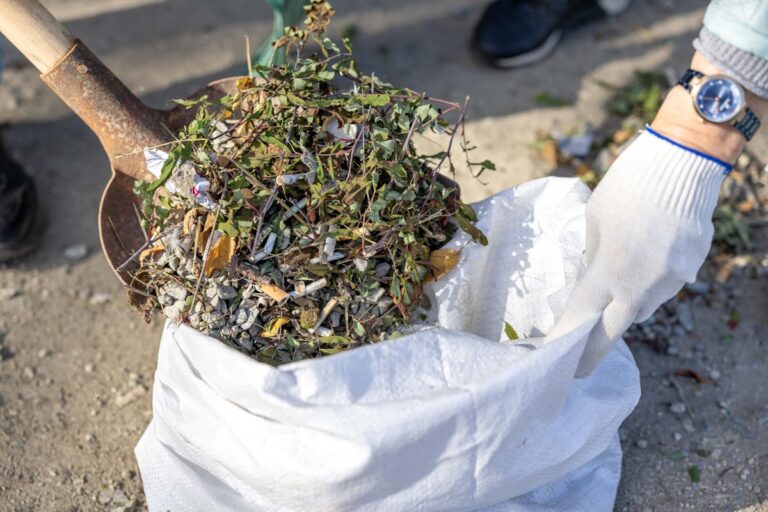
Iowa State’s first choice is clean, weed-free oat, wheat or soybean straw. Chopped cornstalks also work but are often hard to find. Spread 3 to 5 inches; it will settle to about 2 to 4 inches. Pyramids and raised beds call for 6 to 8 inches, and on windy sites the straw can be held down with wire or plastic fencing weighed down with bricks.
Pandian also favors clean straw, noting that it insulates, lets air move through and carries few weed seeds. He recommends covering strawberries with 2 to 4 inches of straw, marsh hay or sudangrass without packing it tightly over the crowns, and steering clear of whole leaves, sawdust and grass clippings, which form a thick mat.
Fallen leaves are a poor substitute. Iowa State says leaves mat together, trap air and leave room for ice to form, which gives weak protection, and the trapped moisture can actually damage plants.
WVU’s Barrett recommends wheat or rye straw at 4 to 6 inches, shaken apart so no compressed chunks remain. He estimates that a square bale, at about $5 to $8, covers roughly 10 feet of row.
Containers and Strawberry Jars
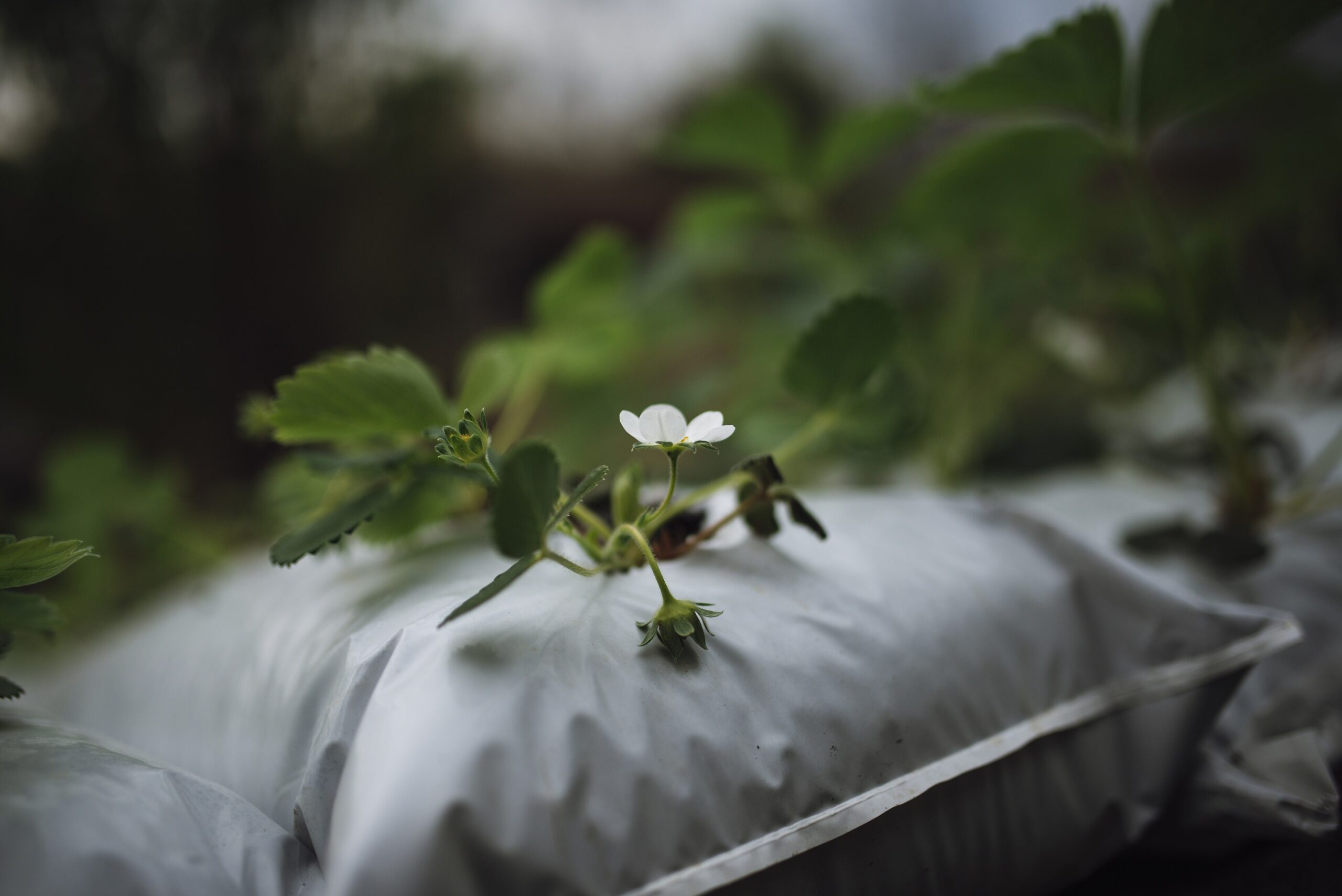
Plants in strawberry jars or other pots left outdoors over winter will likely be seriously damaged or killed, according to Iowa State. One option is moving the container into an attached, unheated garage in November. The other is discarding the plants in fall, emptying the soil, storing the pot indoors and replanting in spring. Day-neutral and everbearing varieties tend to do better in containers than June-bearing types.
Taking the Straw Off in Spring
Pulling mulch too soon can backfire. Iowa State warns that removing it in March can push plants into bloom before frost danger passes, and open flowers can be badly damaged at 32 degrees or lower.
The university’s rule is to remove the straw when about 25 percent of plants show new growth, which looks white or yellow under the cover. In central Iowa, that often means keeping mulch on until mid-April, since the average last 32-degree day there falls in late April. The straw can be raked into the aisles and pulled back over the plants if frost threatens during bloom.
Barrett adds that the straw does more than block cold. It guards against the freeze-thaw heaving that can leave roots exposed, and it helps hold down disease and weeds in the bed. With this kind of care, he notes, a strawberry planting can keep producing for up to three years.
Get stories like this by email. Sign up for The Parent Diaries Letter.
This article was produced with AI assistance and edited for accuracy against the sources linked above.
Image: Shixart1985 – CC BY 2.0/Wikimedia Commons