Middle Tennessee Gardeners Won’t Get Another Frost or Freeze Warning Until April, Because the Nashville Weather Service Ended Its Alerts on Oct. 1
Oct. 1 is the date that decides how Middle Tennessee gardeners find out about the first frost of fall, and this year it passed without a single frost advisory or freeze warning. The National Weather Service office in Nashville ends its frost and freeze alert program on that date each year, WSMV 4 meteorologist Bree Smith reported on Oct. 28. Because the region never got cold enough for one before the cutoff, the next frost or freeze warning will not come until the growing season restarts in April.
Why the Nashville office stops on Oct. 1
Most weather alerts exist to protect people. Frost and freeze alerts are different: they are meant to protect crops and tender plants during the growing season, according to the WSMV report.
Middle Tennessee’s growing season ends in early October, so the Nashville office ends its frost and freeze alert program on Oct. 1. Once that season is over, there are no longer crops in the ground for the alerts to protect, so the office stops issuing them.
The alerts return when the growing season resumes in the spring. For Middle Tennessee, that means April, Smith reported.
The Weather Service explains each of these alerts in its national guide to cold-weather watches and warnings. A frost advisory is issued when frost is expected or occurring and threatens sensitive vegetation. A freeze warning is issued when temperatures are forecast to drop below 32 degrees for a long period. Temperatures below 28 degrees for an extended time can kill most commercial crops and residential plants, the agency says. The guide also notes that freeze watches are used in autumn until the end of the growing season and again at its start in the spring.
A September and October too warm for an advisory
This year, temperatures did not drop far enough to trigger a frost advisory or freeze warning before Oct. 1, according to WSMV. The daily temperature record for Nashville International Airport makes that easy to see.
Iowa State University’s Iowa Environmental Mesonet, which archives airport weather observations, shows the coldest morning at the Nashville airport between Sept. 15 and Oct. 29 was 41 degrees, on Oct. 19. The lowest reading in late September was 51 degrees, on Sept. 28. In mid-September, overnight lows were still running in the 70s.
On Oct. 1 itself, the airport’s low was 62 degrees. Lows stayed at 50 degrees or warmer through Oct. 16, then slipped into the 40s for most of the rest of the month. Not one of those mornings fell below 41 degrees.
Nashville’s first freeze usually comes around Nov. 11
The calendar suggests the first real test for Nashville gardens is still a couple of weeks away. The Weather Service’s climate page for Nashville lists Nov. 11 as the average date of the first fall low at or below 32 degrees.
The range is wide. The earliest first freeze on that list came on Oct. 2, 1984, and the latest came on Nov. 29, 2024. The same page shows the airport averages one day in October with a low at or below 32 degrees and eight such days in November.
One detail on that list stands out. Even the earliest first freeze in the page’s records, Oct. 2, 1984, came a day after the date the Nashville office now ends its frost and freeze alerts. Under the current program, a repeat of that 1984 cold snap would also arrive with no freeze warning attached.
Put together, those numbers line up with the program’s timing. In the airport’s records, the first fall freeze has come after Oct. 1 every time, and by the mid-November average, the growing season the alerts are built to protect has been over for weeks.
Watching the forecast lows with no alert coming
The end of the alert program does not mean the Weather Service stops forecasting cold. Overnight lows still appear in every Nashville forecast. What goes away is the separate frost advisory or freeze warning that flags a cold night as a danger to plants.
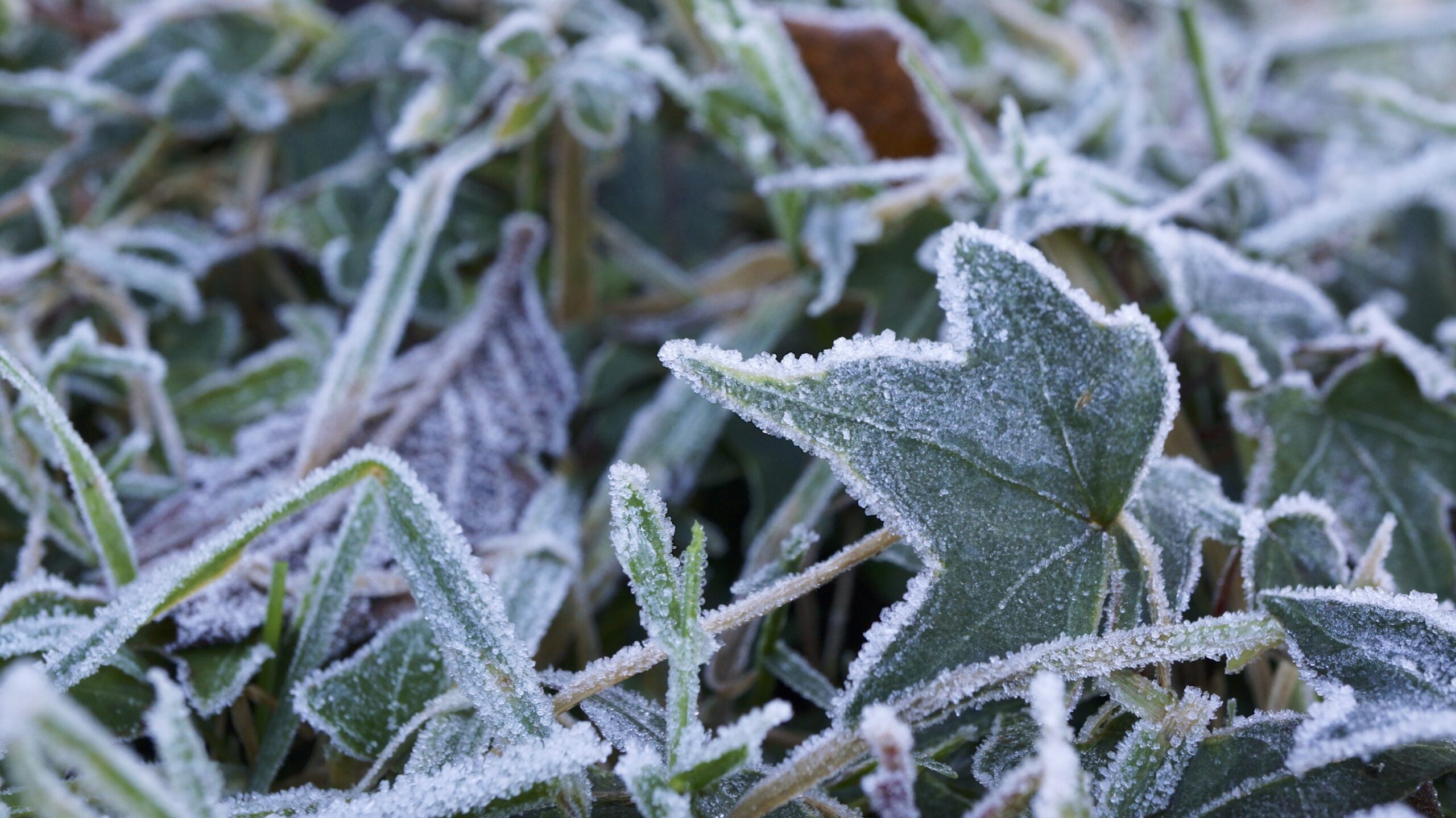
That shifts the job of watching the thermometer to gardeners themselves. The Weather Service’s own thresholds give a useful guide: a freeze warning is built around lows below 32 degrees for a long period, and an extended stretch below 28 degrees is the level the agency says can kill most residential plants. A forecast low in the low 30s is the kind of night that, during the growing season, would have prompted an alert.
The University of Tennessee’s residential and consumer horticulture program helps homeowners manage lawns, gardens and ornamental landscapes, and links to the Tennessee Extension Master Gardener program and the extension’s publications for gardeners who want state-specific guidance before the first cold night.
For those getting ready now, this site has covered winter mulches that protect roots and ways to keep young trees from frost cracking, both useful once Nashville’s lows start dipping toward the 30s.
April brings the alerts back
The program’s return in the spring is tied to the same logic as its end. Once Middle Tennessee’s growing season restarts in April, the Nashville office resumes issuing frost advisories and freeze warnings, according to WSMV, because sensitive plants are back in the ground and at risk from a late cold snap.
Until then, the first freeze of this fall will arrive on its own schedule, possibly around the Nov. 11 average and possibly later, as it did in 2024. Either way, it will come without the advisory that Middle Tennessee gardeners have come to expect, because the Nashville office ended those alerts for the year on Oct. 1.
Get stories like this by email. Sign up for The Parent Diaries Letter.
This article was produced with AI assistance and edited for accuracy against the sources linked above.
Image: Ian Kirk, CC BY 2.0, via Wikimedia Commons