His Neighbor Kept Calling Code Enforcement Over the Noise From His Landscaping Work. So He Put Out More Than 200 Pink Flamingos.
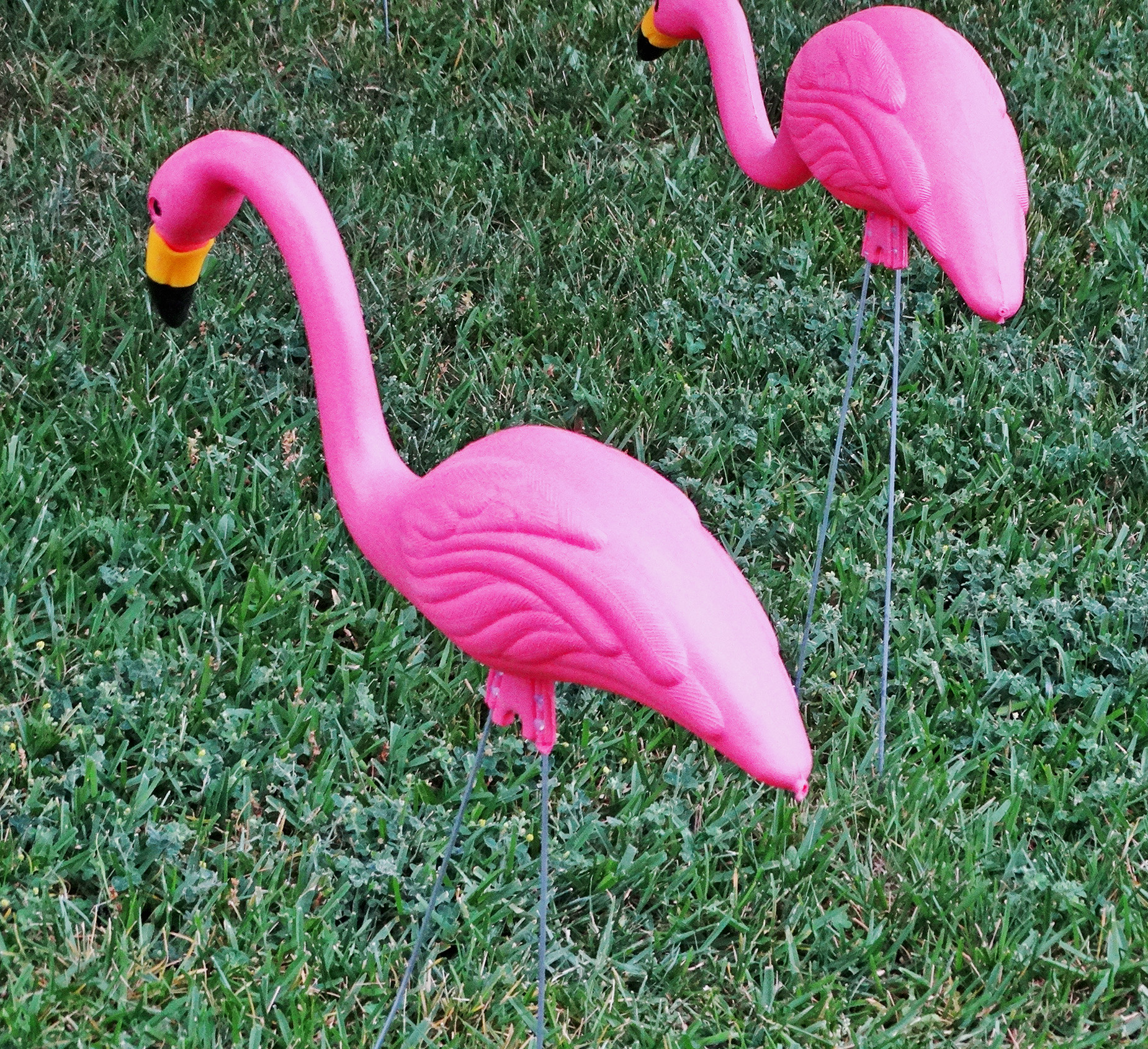
More than 200 plastic pink flamingos now stand around an old house with a stone wall and a wrought-iron gate. They are there because the homeowner’s next-door neighbor kept calling code enforcement every time a landscaping crew fired up a machine on the property, according to a Nov. 10 report by TwistedSifter.
The flock was the homeowner’s answer after a string of complaints about tree removal, a new hedgerow and a raised flower bed. The neighbor then started calling the town about the flamingos, too.
It started with a locked gate and a lawn-height fine
TwistedSifter writer Jayne Elliott laid out how the feud built up. While the homeowner and his family were away on a two-week Disney trip over the summer, he forgot to give his landscaper the code to his newly upgraded gate. The crew could not get in, and the grass kept growing.
His town enforces a strict lawn-height rule, and he was fined for grass over the limit. He paid the fine, then had the lawn mowed and the fallen trees on the property cleared.
Rules like that are common. In Texas, Fort Worth requires grass and weeds to stay at 12 inches or less, gives owners one certified notice a year and 10 days to mow, and bills an average of $250 if the city has to send a contractor. Arlington, Texas, sets the same 12-inch limit. In Minnesota, Columbia Heights draws the line at 9 inches and gives only one notice per property per year before its contractor simply cuts the grass and bills the owner.
Every loud project brought another call
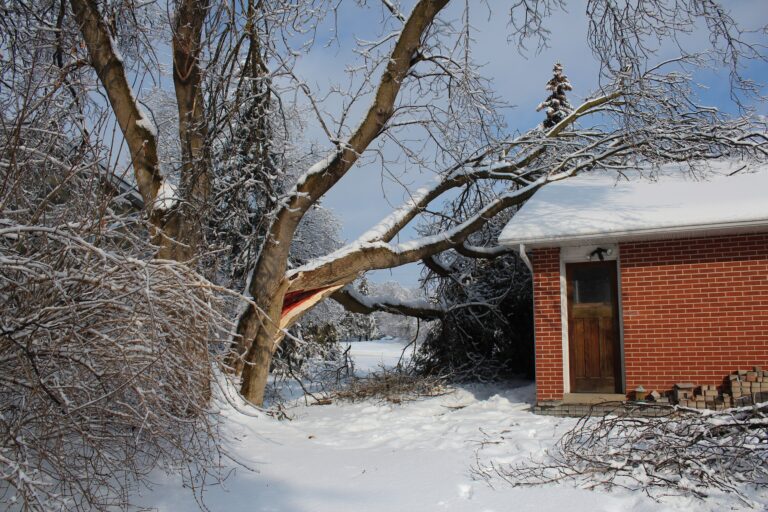
The cleanup is where the neighbor came in. According to the report, the neighbor complained about noise from the heavy equipment used to remove a tree. Code enforcement came out, the landscapers talked with the officers, and no fines were issued.
The homeowner then got town approval for a hedgerow to block the view of his house from the road. His wife wanted a raised flower bed at the entrance. Both projects needed loud equipment, and the neighbor called in each time.
None of the work was unusual for an older property being brought back into shape after a summer away. It was the steady stream of complaints that wore on him.
A truckload of flamingos
His response was to order a truckload of plastic pink flamingos and set them up around the property. He told readers the count was “over 200,” though he could not recall the exact number.
The neighbor called code enforcement daily to demand they be removed, according to the article. TwistedSifter did not report any fines against the homeowner over the birds, beyond the earlier lawn-height fine.
Then the flock started to shrink. The homeowner first suspected theft. It turned out other neighbors had been taking flamingos for their own yards. Someone placed about a dozen on the complaining neighbor’s property.
Other neighbors enjoyed the joke enough to buy flamingos of their own, so the street now has more of them than the homeowner originally bought, the report said.
The lawn ornament built for this kind of statement
The pink flamingo has a long history of saying something about the yard it stands in. Smithsonian magazine traces the bird to sculptor Don Featherstone, who designed it in 1957 for the plastics company Union Products in Leominster, Massachusetts. With no live flamingos to study, he worked from a National Geographic photo spread, and modeling both halves of the bird took about two weeks.
Smithsonian notes that the flamingo first caught on because post-World War II subdivisions often looked alike, and the birds gave homeowners an inexpensive way to make a yard their own. It later became a symbol of tackiness, then an ironic badge of honor by the mid-1980s. Featherstone’s own flock numbered 57, a nod to the year he designed it.
Where the feud stands
TwistedSifter’s write-up, based on the homeowner’s own online account, does not name the town or say how the neighbor and the code enforcement office have handled the daily flamingo calls. The original account also did not say exactly when each project happened.
What it does show is how a lawn-height fine, a tree removal, a hedgerow and a flower bed turned into one of the pinkest yard disputes on any street. Elliott wrote that she did not think the homeowner did anything wrong, pointing to how the rest of the neighborhood joined in.
This article was produced with AI assistance and edited for accuracy against the sources linked above.
Image: inkknife_2000 – CC BY-SA 2.0/Wikimedia Commons