A Neighbor’s Unwanted Gardening Help Turns Into a Full-Blown Property Dispute
For six years, this homeowner had enjoyed a peaceful home, a carefully maintained garden, and the freedom to look after the property in their own way. That changed after a neighbor behind the house began taking an unusual interest in the lawn and landscaping.
What started as unwanted help gradually turned into repeated interference, damaged property, confrontations, and the unsettling feeling that someone else believed they had the right to control what happened around the home.
The First Mowing Job Was Anything but Helpful
When the homeowner first moved in, they kept their lawn around five inches tall because they preferred the lush appearance and healthier grass. One day, while they were away at work, the neighbor decided to mow it without being asked.
The problem was that she cut the grass almost down to the soil. Before long, dandelions began appearing throughout the lawn, undoing much of the care that had gone into maintaining it.
She Was Still Reaching Through the Fence
The homeowner might have considered the mowing an isolated incident if the neighbor had stopped there. Instead, when they arrived home that day, they found her on her knees with a pair of scissors, reaching underneath the fence and attempting to cut the grass in the backyard.
They immediately told her that her help wasn’t wanted and asked her not to cut their lawn again. It seemed like a simple boundary to set, but the neighbor apparently had other ideas.
A New Fence Became Her Next Target
Later, the homeowners invested significant money and labor into installing a beautiful new fence around their backyard and side yard. The fence posts were painted black, and the homeowner’s husband was particularly proud of the work.
It didn’t take long for another problem to appear. The neighbor began using a gas weed trimmer along the boulevard in front of the house, repeatedly getting close enough to chew into the newly painted fence posts.
A Polite Request Turned Into an Argument
Instead of immediately confronting her angrily, the homeowner approached the neighbor politely. They thanked her for trying to help but explained that they preferred to take care of their own lawn.
Rather than accepting the request, the neighbor became furious. She reportedly started yelling that everyone in the neighborhood hated the homeowner and even claimed that people hated the garden.
The Garden Became Part of the Conflict
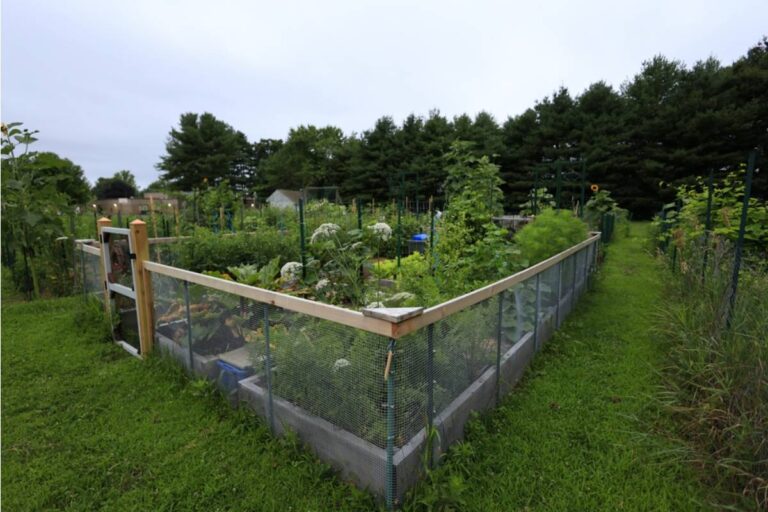
The homeowner wasn’t just maintaining an ordinary patch of grass. The garden was something they had clearly invested time and effort into, and they took pride in keeping their property neat.
The neighbor’s criticism therefore felt especially personal. Even worse, the homeowner later overheard her telling a new neighbor that they didn’t properly look after their yard.
The Tension Followed Them Outside the Neighborhood
The situation became even more uncomfortable when the homeowner spotted the neighbor at their workplace. Instead of simply ignoring each other, the neighbor reportedly glared at them.
At that point, the homeowner described the relationship as little more than bad vibes. They had never sought out conflict with the woman and had continued keeping their distance, but the repeated incidents were becoming difficult to ignore.
Then the Mystery Furniture Appeared
After returning from a trip, the homeowner discovered several pieces of broken shelving dumped on the boulevard in front of their house. There were three pieces, each roughly six feet tall, and they were old and visibly rotten.
Because abandoned furniture occasionally appeared in the area, the homeowner decided to stack the pieces together neatly and contact the town to arrange disposal.
The Neighbor Suddenly Reappeared
After going back inside, the homeowner heard movement outside. When they looked again, the shelving had been moved back into its original position, standing upright and spread across the boulevard.
The homeowner began piling everything together again, intending to have the town remove it. That’s when the neighbor came storming out of her house.
She Started Screaming Over the Shelving
The neighbor demanded that the homeowner leave the furniture exactly where it had been placed. The homeowner refused and explained that they were contacting the town to have the abandoned shelving removed.
Instead of discussing the issue calmly, the neighbor reportedly began screaming insults, including calling the homeowner a “pathetic bitch.” Eventually, she stormed back inside while continuing to yell.
The Argument Continued Behind Closed Doors
The homeowner then returned inside their own house. But the confrontation wasn’t completely over.
From inside, they could hear the neighbor and her husband yelling at each other. What had started as another disagreement over a lawn or a few pieces of abandoned furniture had escalated into a much more disturbing scene.
Six Years of Peace Suddenly Felt Different
The homeowner had lived there for six years without describing any major problems. They worked hard, maintained their property, and generally left their neighbors alone.
That’s why the sudden escalation felt so unsettling. The issue wasn’t simply that someone had an opinion about the lawn anymore. The homeowner was beginning to feel watched, criticized, and repeatedly challenged over things happening on their own property.
Gardeners Understand How Personal a Yard Can Become
For people who spend hours planting, mowing, pruning, edging, and maintaining their outdoor spaces, an unwanted neighbor taking over the work can feel incredibly invasive.
A lawn isn’t necessarily just grass to the person caring for it. A garden can represent months or years of planning, money, physical work, and personal taste. Having someone repeatedly alter it without permission can make even a peaceful backyard feel like contested territory.
The Homeowner Considered Taking a More Formal Approach
After the latest confrontation, the homeowner began considering contacting the police through the non-emergency line. They weren’t looking to create a dramatic neighborhood feud, but they also didn’t want the behavior to continue escalating without documentation.
One possible step was creating a written record of what had happened, including the unwanted mowing, interference with the fence, confrontations, and the incident involving the shelving.
Cameras and Documentation Could Change the Situation
Several practical suggestions centered on documenting future incidents rather than getting pulled into another face-to-face argument.
Outdoor cameras could establish what happens around the property, while dated notes and photographs could provide a record of repeated interference or damage. For a homeowner dealing with an increasingly unpredictable neighbor, having evidence can be far more useful than trying to win another argument in the driveway.
A Simple Boundary May Be the Best Place to Start
One of the more measured suggestions was to send the neighbor a plain written notice explaining that she was not permitted to enter the property or alter the lawn, garden, fence, or other belongings.
That approach would create a clear boundary without requiring another heated conversation. If the behavior continued afterward, the homeowner would at least have a record showing that the neighbor had been explicitly told to stop.
The Biggest Problem Was Never the Lawn
At first glance, this might sound like an ordinary disagreement between neighbors about grass. But the repeated pattern makes the situation much more complicated.
The homeowner didn’t object to someone having a different gardening style or maintaining their own property differently. The frustration came from someone repeatedly deciding that another person’s lawn, garden, fence, and belongings were theirs to manage.
For Now, the Garden Remains a Line Worth Defending
The homeowner has made it clear that they aren’t looking for revenge or a neighborhood war. They simply want to enjoy their home, maintain their garden, and have their boundaries respected.
After years of peaceful living, it’s understandable that the situation would feel especially upsetting. Sometimes the hardest part of a neighborhood dispute isn’t one dramatic incident, but watching a place that once felt completely comfortable slowly become somewhere you have to worry about what your neighbor might do next.