Oakland Hit Matthew Bernard and Lynn Warner With a $915,135 Fine for Cutting 38 Protected Trees, and the Couple Says Fire Officials Told Them to Clear Dead Ones
Oakland says $915,135.40 is the penalty for removing 38 protected trees from a hillside lot on Claremont Avenue, a fine the City Council approved on a 5-3 vote. The owners, Matthew Bernard and Lynn Warner, say fire officials told them to clear dead trees from the property, and they are now challenging the fine in federal court. The case puts a city tree ordinance, a wildfire-prone slope and a very large number side by side.
What the $915,135.40 fine covers and how the council voted
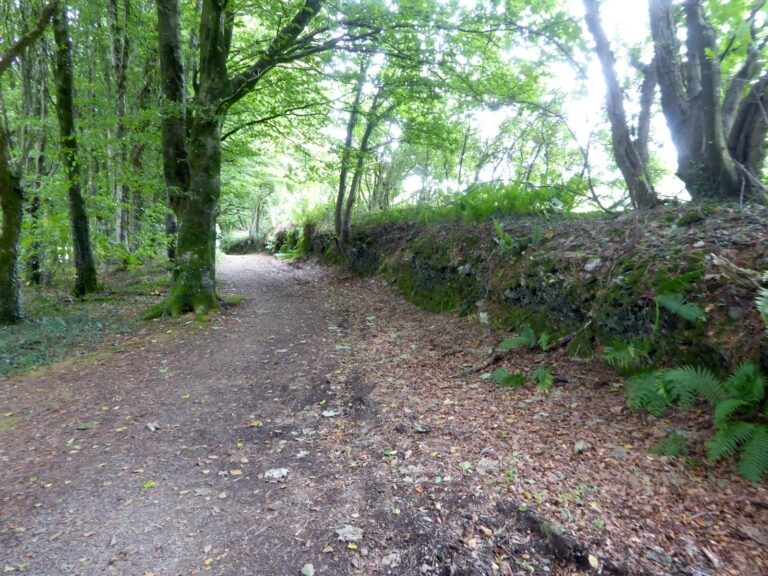
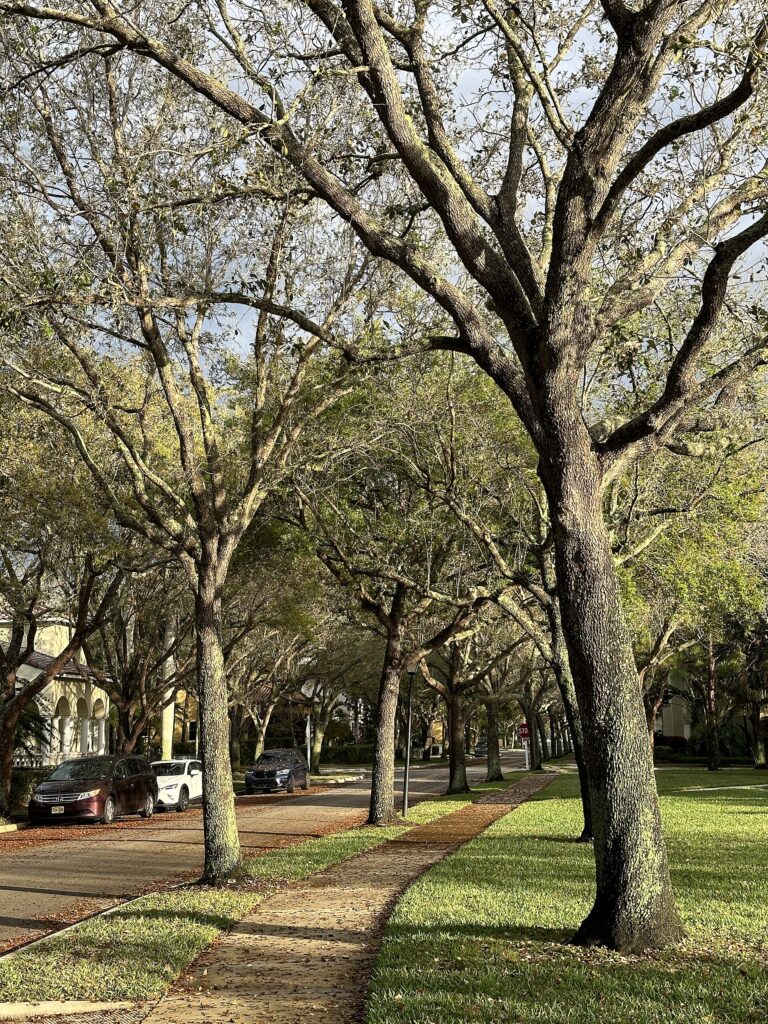
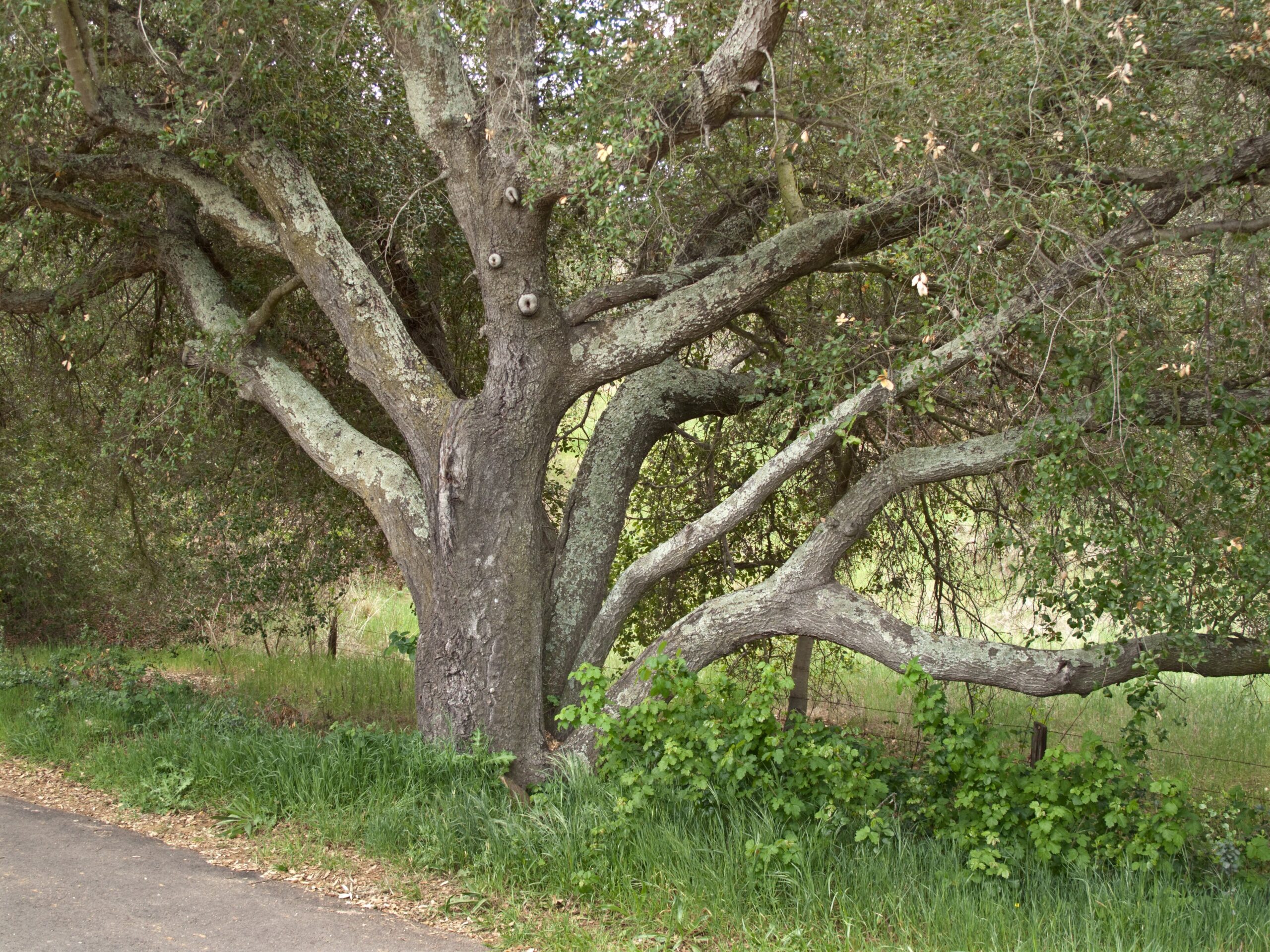
According to KQED, Bernard and Warner own a hillside lot of more than 11,700 square feet on Claremont Avenue, across from Garber Park. The city counts 38 legally protected trees removed on and around the property, including old-growth coast live oaks. Several were in a neighbor’s yard and one stood on government-owned land. Public Works staff set the amount based on species and stump diameter.
The city’s council agenda item lists the violation as illegally removing thirty-eight protected trees and cites Chapter 12.36.150 of the Oakland Municipal Code. Public Works recommended finding the owners in violation, imposing the penalty, holding building permits for the property and placing a lien on it until the penalty is paid in full.
The vote took three hearings. The council deadlocked on April 14, and KTVU reported that the later 5-3 vote made the fine a record. Councilmembers Janani Ramachandran, Noel Gallo, Kevin Jenkins, Zac Unger and Charlene Wang voted yes. Rowena Brown, Carroll Fife and Ken Houston voted no, according to KQED.
The lien matters for the yard itself. KQED reported that it bars the couple from developing or selling the land until the fine is paid. The couple must also reimburse the city’s costs.
What Oakland’s Protected Tree Ordinance asks of a hillside owner
Chapter 12.36 of the Oakland code, as reproduced in an online code library, protects coast live oaks measuring 4 inches in diameter at breast height or larger on any property. Any other tree measuring 9 inches or larger is also protected, except eucalyptus and Monterey pine, which have separate rules. A protected tree may not be removed without a tree removal permit.
The ordinance has exemptions, including city-verified hazardous trees and certain emergencies. A violation is an infraction. Violators must provide replacement trees or pay fees, not exceeding the tree’s value under the International Society of Arboriculture formula, and must pay the city’s investigation and enforcement costs. The chapter also says unpaid costs can become a lien recorded with the county.
The code page does not set a per-tree fine. The agenda item does not explain the arithmetic either. Dividing $915,135.40 evenly across 38 trees works out to roughly $24,000 per tree, though that is a simple average and not a rate stated by the city. Other cities have drawn similar lines around big trees, as with Edmonds’ interim protection for landmark trees.
The owners’ account of the fire bureau order and the dead trees
Bernard and Warner declined KQED’s interview requests. Their position appears in council testimony and in the filings of the lawyers who represent them.
The Texas Public Policy Foundation, which is representing them, says in a June 29 release that the Oakland Fire Prevention Bureau ordered the couple in 2020 to clear dead and dying trees or face ongoing fines. According to the group, the couple removed the trees without a city permit and was then penalized. That is the plaintiffs’ version of events, and the city’s response is not in the release.
At the council, Bernard said some trees were dead, dying, leaning or hazardous, and that he and Warner did everything in their willpower to follow the law while planning development, as KQED reported. KTVU reported that he said he believed the couple acted in good faith, followed city instructions and relied on city communications. The same report said the owners allege roughly 25 of the trees were already dead or had fallen before Public Works staff responded to complaints.
Bernard also proposed building a home on the site and replanting trees after construction. KQED reported that a resolution allowing that replanting was not approved.
Neighbors, park advocates and councilmembers on the other side
The city’s account is different. KQED reported that city workers responded to the site five times for illegal tree-cutting reports between Feb. 2, 2021, and May 17, 2022, and that Bernard received verbal and written warnings from city employees and police. Public Works documents show the couple did not finish the required permit process before the trees came down, according to the same report.
Ramachandran, who represents the area, called the removal a knowing violation of the city’s Tree Protection Ordinance, per KQED. She also said city staff should have issued a notice of violation in 2021 and that she is considering changes to the law. Jenkins said, as quoted by KTVU, that the council has to decide whether it will enforce its laws.
About 20 public speakers opposed the removals, KQED reported. Erys Gagnez of the Oakland Parks and Recreation Foundation said replacement trees of that size are not commercially available. Biologist Saumitra Kelkar said the trees formed a natural shaded fuel break against wildfire. A different yard-clearing case, from Australia, ended with a $187,500 fine for 287 trees.
Some councilmembers who voted no did not defend the cutting. Brown called the owner’s behavior “100% egregious,” KTVU reported, but said the fine exceeds the property’s worth and suggested charging only for trees within the buildable footprint. Fife questioned whether the law has been enforced evenly, KQED reported, while saying she did not agree with Bernard’s actions.
Where the federal case stands after the Oct. 29 hearing date
The couple is suing as Matthew Bernard and Lynn Warner v. City of Oakland, California. The foundation’s case page lists the case as pending in the Northern District of California, filed June 29, 2026. It says the plaintiffs argue the city’s actions amount to an uncompensated taking, impose unconstitutional permit conditions with no link to actual public harm, and violate the Eighth Amendment’s ban on excessive fines. The relief sought is a declaratory judgment and an injunction stopping the city from enforcing the penalty and withholding the plaintiffs’ development permits.
A media advisory set a hearing for Thursday, Oct. 29, 2026, at 2:30 p.m. at the federal courthouse at 450 Golden Gate Avenue in San Francisco. No ruling or account of the hearing’s outcome had been published as of Nov. 1. These claims are the plaintiffs’ arguments, not court findings.
For other owners with large trees on sloping lots, the practical point sits in the code itself: the permit comes first, even when the trees look dead.
Get stories like this by email. Sign up for The Parent Diaries Letter.
This article was produced with AI assistance and edited for accuracy against the sources linked above.
Image: Downtowngal – CC0/Wikimedia Commons