Sherry Williams Lost Both of Her Parents Months Apart, So She Started Leaving Free Bouquets From Her Parrish Backyard Garden for Strangers
Sherry Williams lost her mother in March, after a stroke. A few months later, her father died too. In the middle of that grief, the Parrish, Florida, gardener started cutting flowers from her backyard, arranging them in jars and leaving them on her porch for anyone who wanted one.
What began as six jars in August has grown into a Facebook group with about 1,500 followers, Tampa Bay 28 reported.
A Garden That Started With Her Father
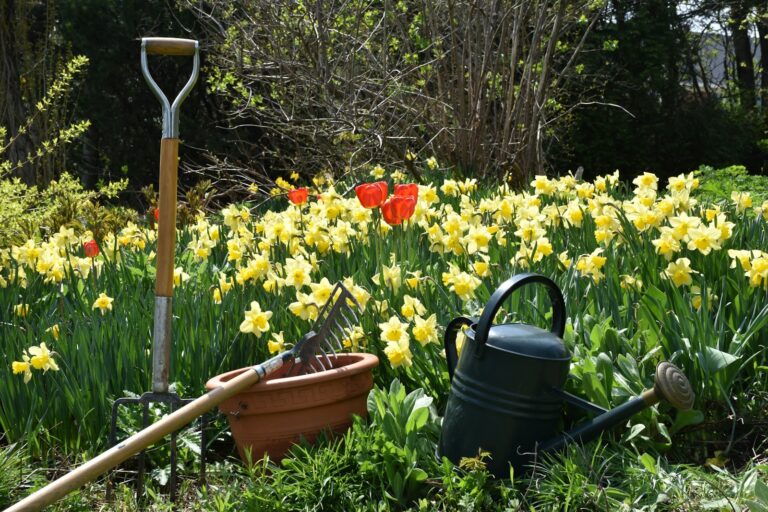
Williams’ love of growing things goes back to her childhood. Her father kept vegetable gardens when she was young, and gardening became her own lifelong habit, from containers on a balcony to the large backyard garden she tends now.
After he died, that garden became a place where she still felt connected to him. Working in it gave her comfort.
Her mother shaped the project in a different way. She had cheered on her daughter’s gardening from a distance, and she believed people should get flowers while they are alive, not only after they have died. Williams took that belief to heart and began planting more flowers.
Six Jars on a Porch
The idea is simple. Williams cuts what the garden gives her, arranges it in jars, tucks in a note explaining the project and sets the jars on her porch. Anyone can take one. It is first come, first served.
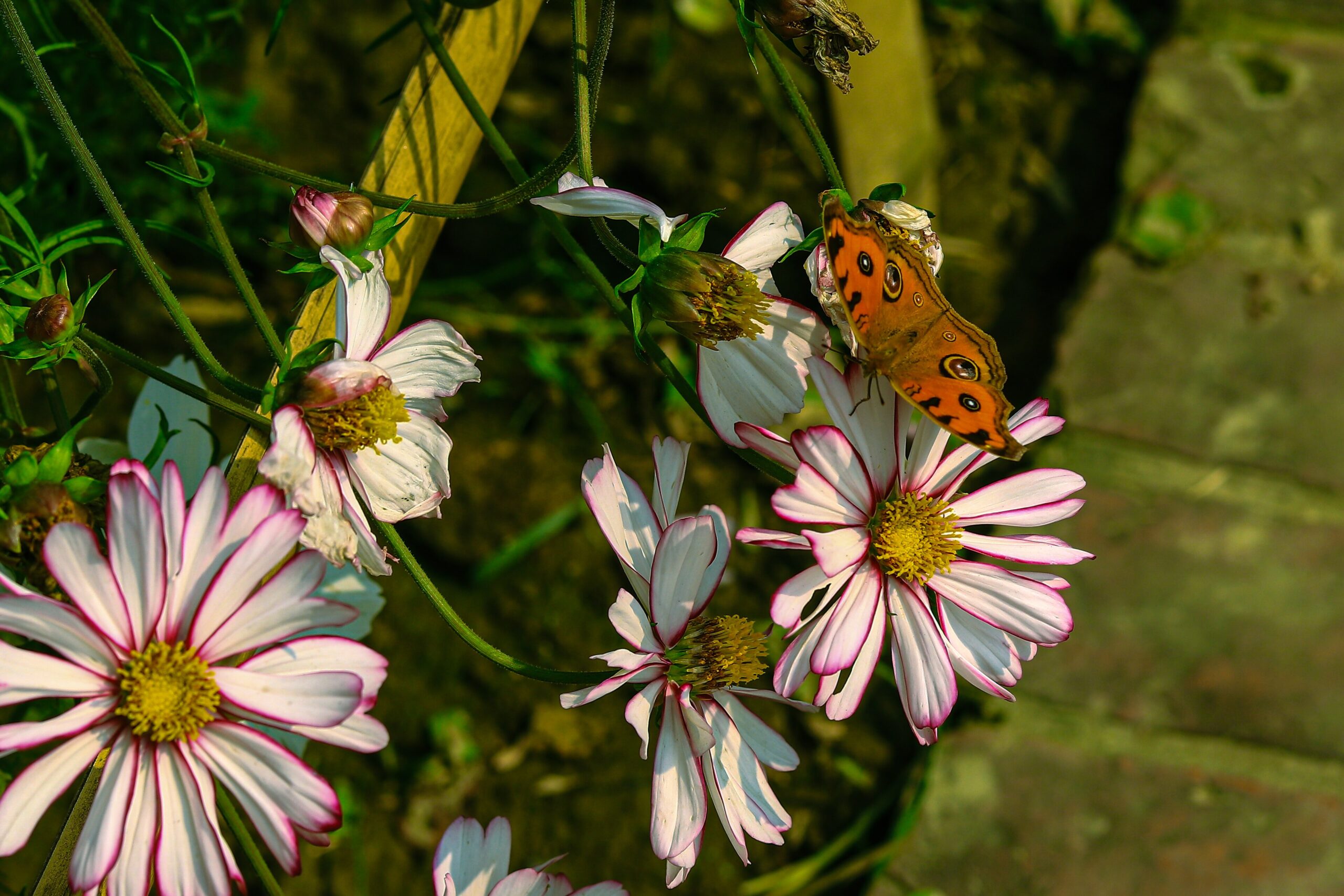
She grows dozens of varieties, but the mainstays are zinnias, cosmos, globe amaranth and sunflowers, with basil sometimes tucked in as filler. Zinnias in particular suit a Florida yard. The University of Florida’s gardening program says they handle the state’s hot summers and keep blooming until the first frost, and that in South Florida they can be planted in fall as well as spring.
In August, she posted on Facebook that six jars were waiting. All six were gone fast. Williams said she was surprised at first, then happy that the flowers had brightened someone’s day.
The number of jars depends on the garden. After one cutting, she had enough flowers for 43 jars. Her most recent giveaway filled her porch and was handed out across three time slots on a Saturday.
A Goal for Each Parent
Williams gave herself a target: 100 jars by the anniversary of her mother’s death. She reached it in September.
Her next goal is another 100 jars by the anniversary of her father’s death. She has also set a bigger goal for the whole group: 1,000 jars between Oct. 1 of this year and Sept. 30 of next year.
Strangers have started helping. Donors have dropped off jars, flower food, gardening tools and seeds. Some members of the group now leave their own jars for teachers and first responders.
Williams says no one needs a garden to join in. Store-bought flowers in a reused pasta sauce jar work too, and people who can’t give flowers can take simpler steps.
Why Gardening Helps With Grief
Williams is not alone in finding that a garden helps with loss. Writer and professor Donelle Dreese, who leads a memorial sanctuary in Kentucky, has written in Psychology Today that tending plants mirrors the grieving process and lets grieving people heal at their own pace.
The Horticultural Therapy Institute reports that horticultural therapy methods used during grief have helped reduce the anxiety and depression that come with loss.
For anyone who wants to try the idea, UF/IFAS cut flower advice lists zinnias and sunflowers among good Florida cut flowers. It recommends stripping any leaves that would sit underwater, trimming stems at a 45-degree angle and refreshing the water with flower food when it turns cloudy.
Love Sent Outward
Williams sees the jars as a way to send the love she had for her parents out to strangers and to people who need it.
She believes her parents would be proud of what the garden has become. Each jar that leaves her porch carries a little of both of them: her father’s love of growing things and her mother’s rule about giving flowers while people are still here to enjoy them.
Get stories like this by email. Sign up for The Parent Diaries Letter.
This article was produced with AI assistance and edited for accuracy against the sources linked above.
Image: A S M Jobaer – CC BY-SA 4.0/Wikimedia Commons