Plant this Fast-Growing Flower Now If You Want a Garden Full of Pollinators
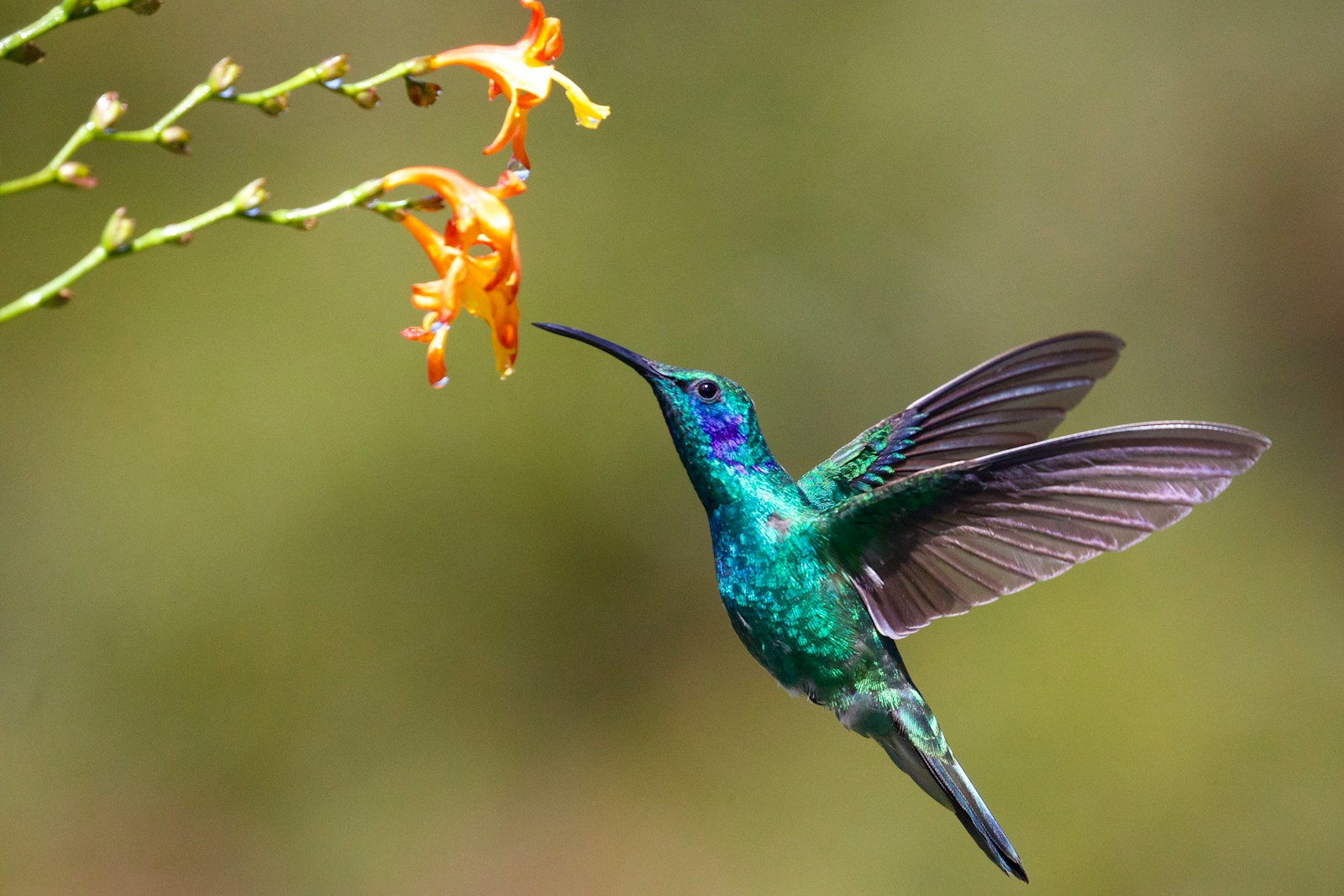
Your garden can look beautiful on its own, but what really makes it feel alive is movement. The soft buzz of bees, butterflies drifting from bloom to bloom, even the flash of a hummingbird passing through. That’s when a garden stops being something you look at and starts becoming something you experience.
If you’re hoping to bring that kind of energy into your yard this year, there’s one plant gardeners keep coming back to—and spring is the perfect time to get it started.
Bee balm (Monarda) is one of the fastest-growing, pollinator-attracting flowers you can plant. With bright, spiky blooms in shades of red, pink, and purple, it’s packed with nectar that bees, butterflies, and hummingbirds absolutely love. And unlike some slow-growing perennials, bee balm doesn’t make you wait years to see results.
In many cases, it can reach full size and start blooming within a single growing season—sometimes in as little as 3 to 4 months. That means if you plant it in spring, you could be watching pollinators show up by early summer.
For gardeners who feel like they’re “behind” every year, this is one of the easiest ways to catch up fast and still get a vibrant, lively garden.
Why Bee Balm Is One of the Best Pollinator Plants You Can Grow
Bee balm isn’t just pretty—it’s incredibly functional.
Its tubular flowers are designed perfectly for pollinators, especially hummingbirds and long-tongued bees. While other flowers may come and go quickly, bee balm produces bold, long-lasting blooms that can stick around for weeks.
It also fits beautifully into that “low effort, high reward” category:
- It’s a perennial in many climates (comes back each year)
- It spreads to fill space (great for fuller garden beds)
- It creates a natural, slightly wild look that’s trending right now
If you’re trying to build a pollinator-friendly garden without overcomplicating things, this is one of the easiest starting points.
What to Know Before You Plant It
Bee balm does come with one trait you’ll want to plan for—it spreads.
Because it’s part of the mint family, it grows outward over time and can take over a space if left unmanaged. For some gardeners, that’s actually a bonus (fewer gaps, less weeding), but if you like a more controlled look, you’ll want to keep it in check.
Simple ways to manage it:
- Divide plants every couple of years
- Deadhead spent blooms
- Plant it in a defined space or border
It’s not difficult to control—but it’s something to be aware of before you plant.
How to Grow Bee Balm Successfully
Bee balm is one of those rare plants that’s both beginner-friendly and genuinely rewarding.
Here’s how to set it up for success:
Planting time:
Spring, after the last frost, is ideal. This gives roots time to establish before peak growing season.
Sunlight:
It grows best in full sun, though it can tolerate partial shade. More sun usually means more blooms.
Soil:
Prefers moist, well-draining soil. It doesn’t like sitting in water, so avoid soggy areas.
Watering:
Water deeply but not constantly. Let the soil dry slightly between waterings to prevent root issues.
Feeding:
A light fertilizer in spring is enough. Too much can lead to lots of leaves but fewer flowers.
Maintenance:
Deadheading encourages more blooms, and dividing plants every few years keeps them healthy and under control.
With just a bit of care, this is the kind of plant that gives back way more than you put in.
Why Spring Is the Moment That Matters
If you wait too long, you miss the window where plants can establish strong roots before summer heat hits. Planting in spring gives bee balm the time it needs to grow quickly and bloom at the right moment—when pollinators are most active.
And that’s really the payoff here.
By early summer, instead of a quiet, static garden, you’ll start to notice movement—bees working, butterflies landing, maybe even hummingbirds hovering for a second before darting off.
It’s a small shift, but it completely changes how your garden feels.
If your goal this year is to build a space that feels alive—not just looks good—this is one of the simplest places to start.