Plant Gardeners Secretly Hate This Plant But Keep Buying it Anyway
Ever catch yourself eyeing a plant at the store, knowing deep down it might be more trouble than it’s worth? You’re not alone. Some plants seem to show up in everyone’s home or garden, even though they have a reputation for being fussy or high-maintenance.
They look great on the shelf or in a friend’s living room, but once you get them home, it’s a different story. Let’s talk about the plants we keep buying—even when they test our patience.
Fiddle Leaf Fig
Fiddle leaf figs are hard to resist. Their big, shiny leaves make any room feel more stylish.
But getting them to thrive isn’t always easy. They need just the right amount of light—bright and filtered.
If you don’t get it right, leaves start dropping or burning. Watering them is another challenge.
The soil should dry out a bit between waterings, but not too much. Overwatering leads to root problems and brown spots.
They also want a humid environment. Dry air can cause the edges to brown.
Fiddle leaf figs don’t like being moved around. Changing their spot can shock them.
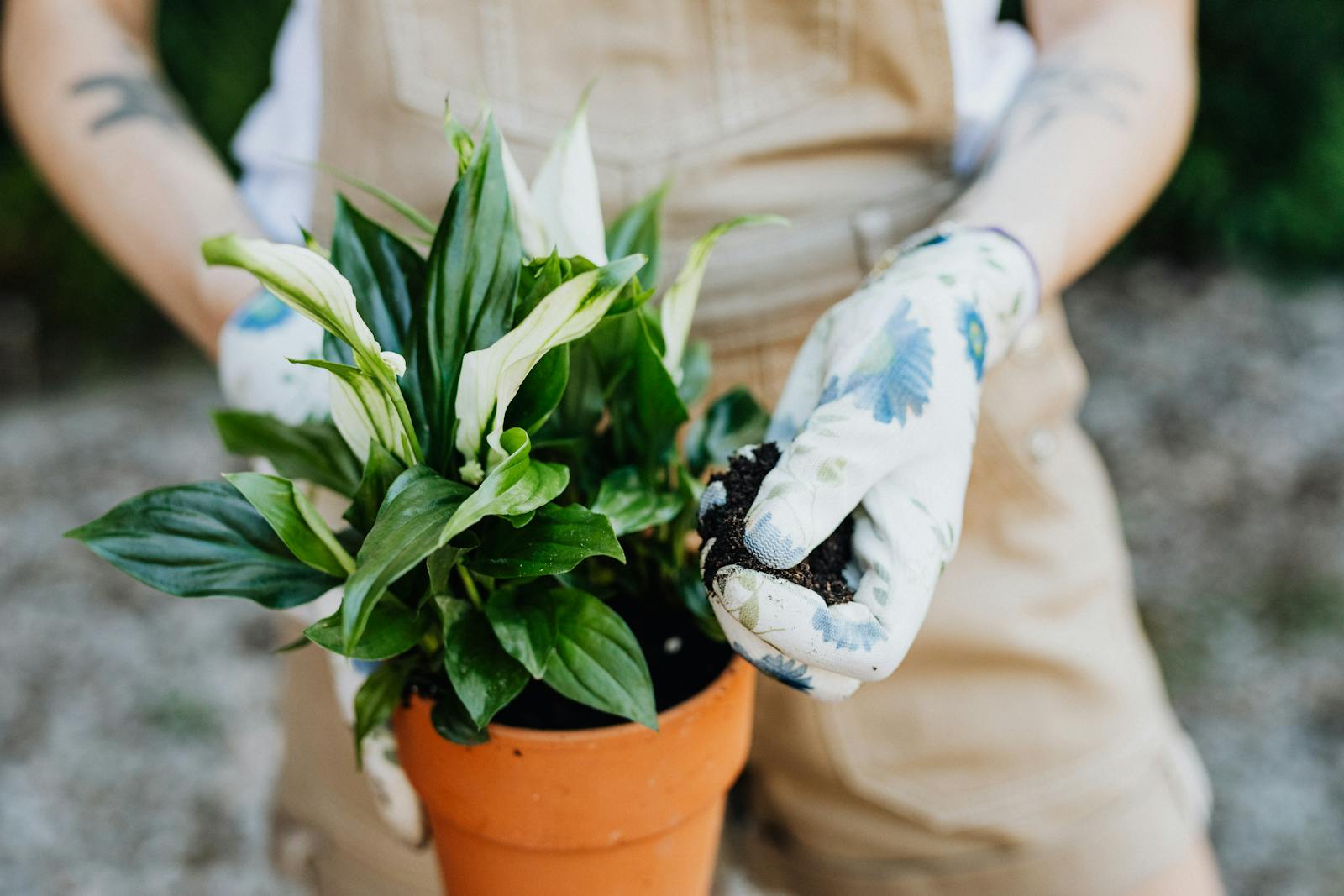
Peace Lily
Peace lilies draw you in with glossy leaves and elegant white flowers. They seem like the perfect, easy-care plant.
But they can be dramatic. If you let the soil dry out, leaves droop fast.
Give them too much water, and they get stressed. Low humidity or dim corners make their tips turn brown.
They grow quickly and need repotting often. That can get annoying.
Even with all that, it’s hard not to want one. They brighten up any space and, with a little attention, can look amazing.
Snake Plant
Snake plants pop up everywhere. Their tall, upright leaves look cool and fit any style.
People say they’re easy, but they have their quirks. Too much water can rot their roots.
If the light is too low, their growth slows. They come in lots of shapes and patterns, so there’s always one that matches your vibe.
Propagating them is simple—just cut a leaf or divide the roots. They’re forgiving and bounce back from neglect.
That’s probably why you keep bringing them home. They’re tough, stylish, and somehow always make a space feel better.
Pothos
Pothos is the go-to plant for anyone wanting an easy start. Its trailing vines and glossy leaves make any room feel lively.
But it’s not always as simple as it seems. Overwatering is a common problem and can turn leaves yellow or cause root rot.
If you’re growing it outside, pothos can get out of hand and crowd out other plants. Indoors, it’s all about balance.
Despite the challenges, it’s hard to pass up a pothos. They survive in low light and add instant green energy to your home.
Succulents
Succulents look like the answer to every busy person’s plant dreams. They’re cute, fit in small spaces, and don’t need much water.
But keeping them happy can be a challenge. Without enough light, they stretch out and lose their shape.
Overwatering is a common mistake. They need well-draining soil, or the roots can rot.
Mixing in sand or perlite helps, but it’s easy to get wrong. Still, their unique shapes and colors make you want to try again.
When you finally get one thriving, it feels like a win. That’s part of their appeal.
Boston Fern
Boston ferns bring a lush, fresh vibe to any space. Their feathery leaves turn a porch or living room into a mini jungle.
But they’re a bit high-maintenance. They crave indirect light and lots of humidity.
Too much sun or dry air leads to brown or yellow leaves. Watering is tricky—they want moist soil, but not soggy.
If you miss the mark, you’ll see droopy fronds. To keep them looking good, you need to trim old leaves and repot regularly.
Boston ferns may be demanding, but their lush look keeps you coming back for more.
Spider Plant
Spider plants are everywhere, with long, arching leaves and baby plants that dangle like little spiders. They look friendly and easy.
They grow fast and can take over pots or garden spaces before you know it. Baby plants pop up everywhere—sometimes more than you bargained for.
Still, they’re tough and hard to kill, even if you forget to water them. Plus, they help clean the air.
If you want a lively, fast-growing plant, the spider plant is a solid choice. Just be ready to keep its spreading in check.
Jade Plant
Jade plants have thick, shiny leaves and a mini tree shape that’s hard to resist. They seem like they’d be simple to care for.
But they can be pickier than you think. They want bright light, but not too much direct sun.
Watering needs to be just right—too much causes root rot, too little makes leaves shrivel. They also dislike cold drafts or soggy soil.
You might find yourself constantly adjusting your care routine. Still, their unique look and toughness keep them popular.
Rubber Plant
Rubber plants stand out with their big, glossy leaves. They give any room a bold, fresh look.
They’re not as low-maintenance as they seem. If the light isn’t right, leaves can drop fast.
Too much sun burns them, too little makes them droop. Watering takes some attention—overdo it, and roots rot; too little, and leaves curl.
Once you figure them out, they can grow strong and healthy. Their dramatic look makes them a favorite, even if they’re a bit fussy.
English Ivy
English ivy covers walls and gardens with green leaves, adding instant charm. It grows fast and fills up space quickly.
But it can be tough to control. Once it gets going, it spreads everywhere and crowds out other plants.
It climbs trees and walls, sometimes causing damage or blocking sunlight for native plants. Removing it is hard—roots dig in deep, and cutting it back isn’t always enough.
Even though it looks pretty, English ivy can bring more work than you expect. It’s easy to buy, but harder to manage.
Why Gardeners Keep Buying Annoying Plants
Ever wonder why we keep picking up plants that drive us nuts? Sometimes it’s clever marketing, other times it’s nostalgia, or maybe it’s just a misunderstanding about how much care a plant really needs.
Clever Marketing and Gorgeous Displays
Garden centers know how to tempt you. Plants are arranged beautifully, with bright labels and perfect blooms.
You see signs like “easy care” or “fast growing” and think you’ve found the perfect plant. The real challenges—like aggressive growth or constant care—aren’t on the label.
It’s easy to get swept up in how great a plant looks in the store.
Nostalgia and Sentimental Value
Some plants remind you of family, childhood, or a special place. Maybe your grandma always had English ivy or a certain fern.
These memories make you want to bring those plants home, even if they’re tricky to manage. Sentimental value can outweigh the hassle.
Misconceptions About Plant Care
It’s easy to believe a plant is easy because of what you’ve read or heard. Labels and advice can be misleading.
Many so-called “easy” plants end up needing more attention than you thought. You buy them hoping they’ll fit your lifestyle, only to find yourself dealing with pests or aggressive growth.
Still, hope springs eternal, and you keep giving these plants another shot.
What Makes These Plants So Frustrating?
Some plants catch your eye at the garden center and seem like the perfect addition. Once you get them home, the reality can be a lot more complicated.
Their rapid growth can surprise even experienced gardeners. What starts as a small patch can quickly turn into a sprawling mess.
Some plants also need far more attention than you expected. Pests and diseases can show up out of nowhere, making things even trickier.
Invasive Growth Habits
Certain popular plants have a way of spreading much faster than you’d like. You might plant them in one spot, only to find them popping up all over your garden.
Vines and grasses often send out runners underground. This hidden network can be tough to spot until it’s already out of control.
You might spend weekends digging up roots or pulling new shoots. It feels like a never-ending task.
If you let things go for even a short while, they can take over the whole area. This can make you wonder if the plant was worth the trouble in the first place.
High Maintenance Requirements
Some plants look simple but need constant care to thrive. Daily watering and regular pruning can quickly become overwhelming.
Roses and tropical plants are common examples. Skip a day or miss a trim and they start looking sad.
You might also find yourself buying special soil or fertilizer just for one plant. If you want a garden that’s easy to care for, these high-maintenance types can be a real challenge.
Unexpected Pest Problems
Have you ever brought home a new plant, only to find it suddenly covered in tiny bugs? Certain plants seem to invite pests that quickly become a headache.
Aphids, spider mites, and whiteflies are just a few of the common culprits. If these bugs show up, you might find yourself reaching for sprays or searching for natural solutions more often than you expected.
Dealing with pests can turn plant care into a chore. You might spend extra money on products or worry about damage spreading to your other plants.