Plants That Grow in Utter Neglect: Even in Bad Soil
Not every garden needs to be pampered or have perfect soil to look inviting. If you’ve ever felt guilty about forgetting to water your plants or worried that your soil is too rocky, you’re not alone.
There are plants out there that don’t mind being overlooked and can handle less-than-ideal conditions. These green champions thrive on neglect and are perfect for anyone who wants to add life to their space without constant upkeep.
Snake Plant (Sansevieria)
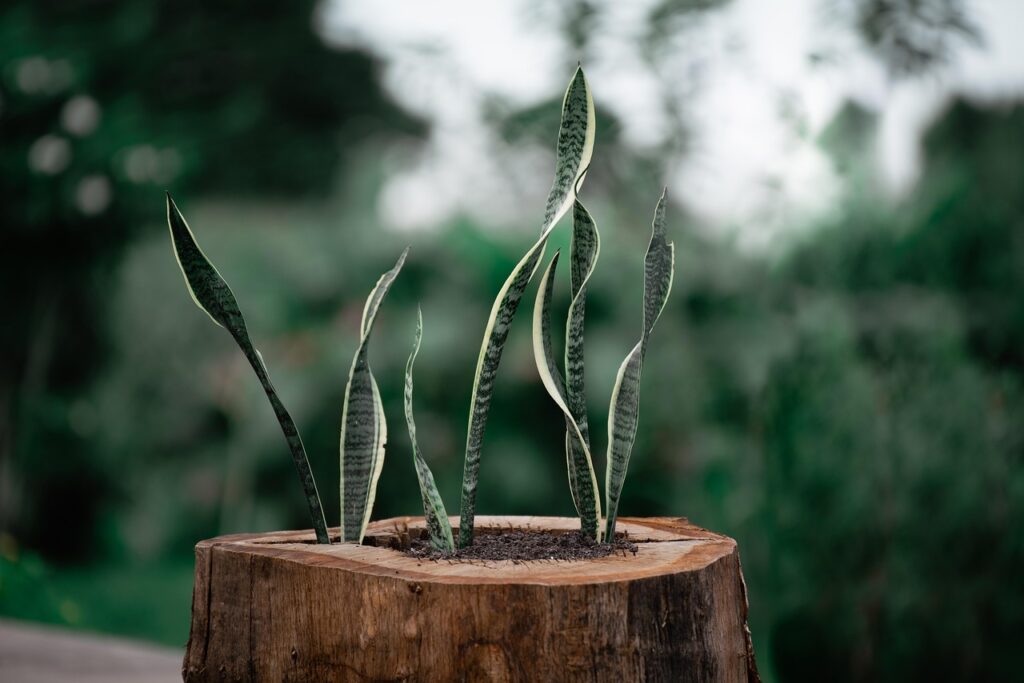
Snake Plants are incredibly forgiving and simple to grow. They can handle poor soil and long stretches without water.
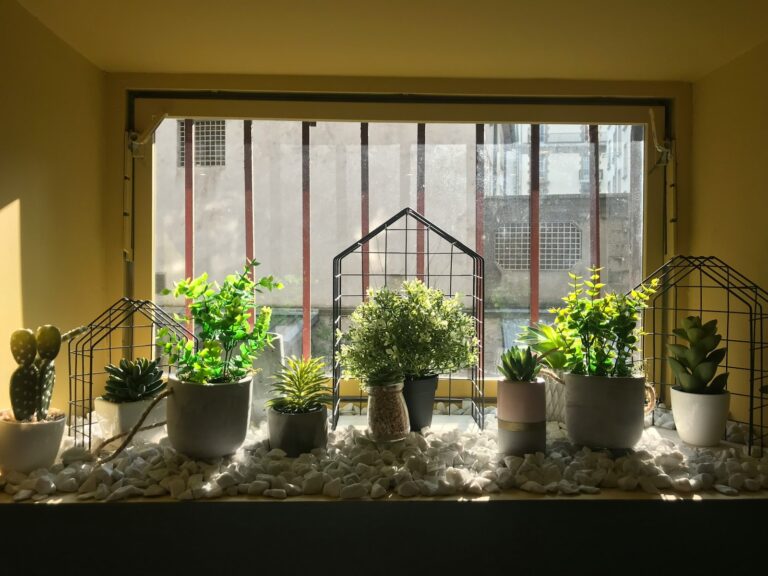
If you’re often away or forgetful, this plant will still look great. Snake Plants tolerate both low and bright light, so you have plenty of options for where to place them.
They don’t mind dry air and are perfect for busy households. The thick, sword-like leaves bring a modern vibe to any room.
They also help clean the air, making your space fresher. If you want a dependable plant that thrives with minimal attention, Snake Plant is a top pick.
Lavender
Lavender is tougher than it looks and loves soaking up the sun. It actually prefers poor, sandy soil and won’t complain if you forget to water it.
Once established, lavender thrives on minimal care. The soothing scent is a bonus, and it brings pollinators like bees to your garden.
Just remember to keep the soil loose and avoid overwatering. Mix in some sand or gravel if your soil is heavy.
Sedum
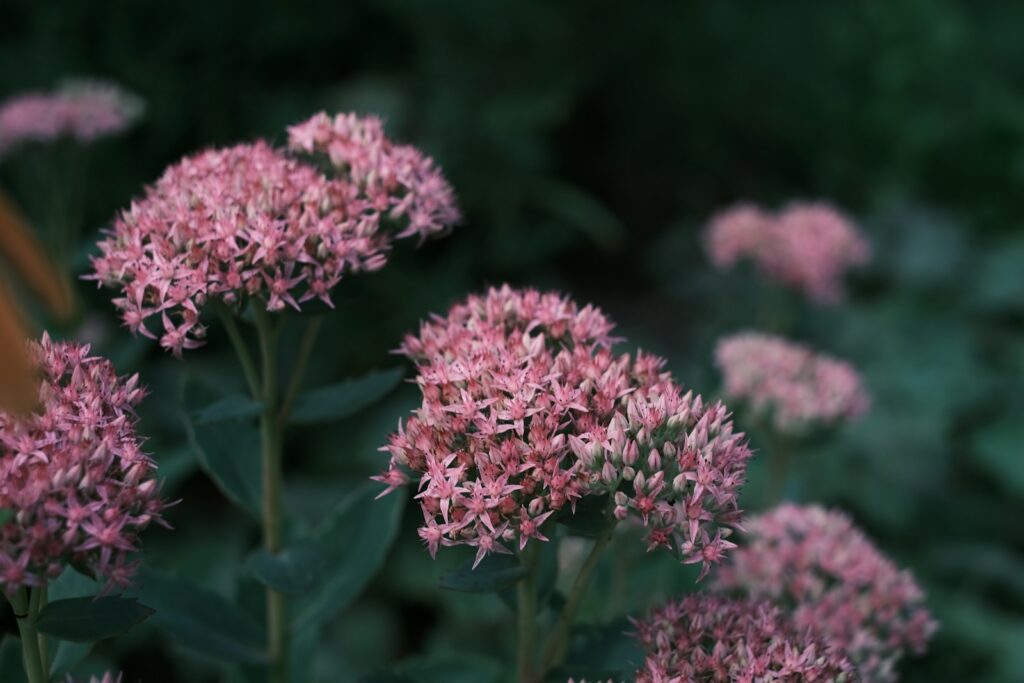
Sedum is the definition of a set-it-and-forget-it plant. Its fleshy leaves store water, so it keeps going strong even during dry spells.
You’ll find sedum in ground-hugging mats or upright forms with starry flowers. It loves sun and rocky soil, making it perfect for tough spots.
Watering is rarely needed, which is a relief if you’re busy. Sedum is both attractive and resilient, making gardening feel effortless.
Russian Sage
Russian sage is a great option for anyone who struggles to keep plants alive. It thrives in poor, sandy, or rocky soil and loves full sun.
Once established, this plant barely needs water. The silvery foliage and purple-blue flowers add a burst of color and texture.
Deer usually leave Russian sage alone, and it’s perfect for those dry corners or hillsides. Give it some space and enjoy its easy-going nature.
Coneflower (Echinacea)
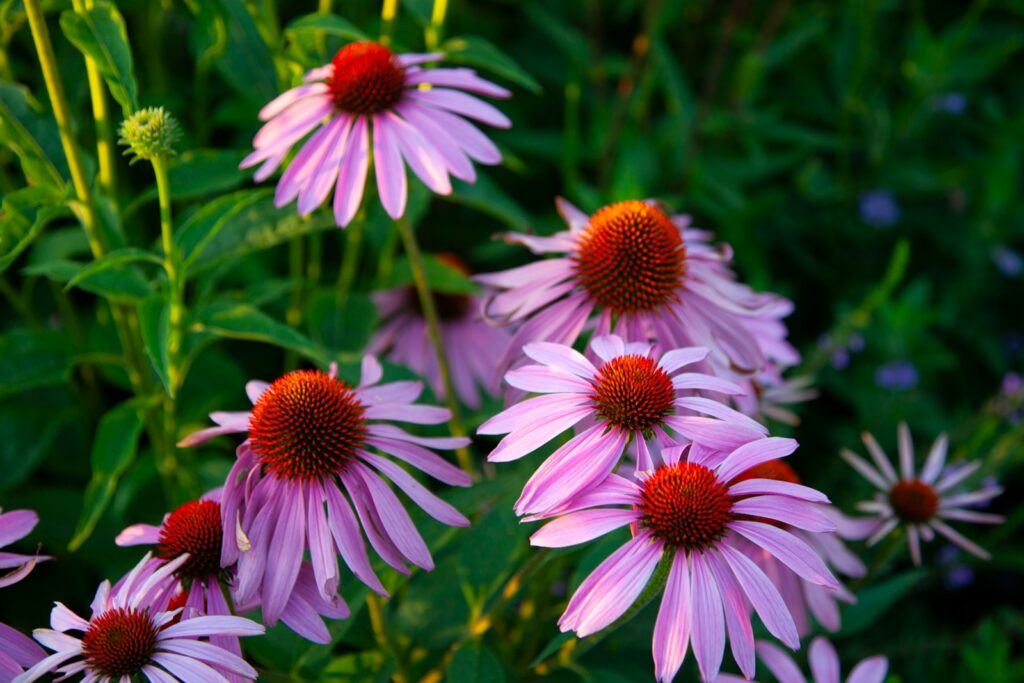
Coneflowers bring bright pops of color with almost no effort. They handle poor soil and dry conditions like pros.
Full sun is their favorite, but they’ll tolerate some shade. These flowers are pest-resistant and come back every year.
Deep roots help them survive drought, so you don’t have to stress about watering. Let a few flowers go to seed, and you’ll see new plants pop up next season.
Coneflowers attract bees and butterflies, making your garden lively and beautiful.
Black-eyed Susan
Black-eyed Susans are cheerful and undemanding. Their sunny yellow petals and dark centers brighten any spot.
These flowers do well in poor soil as long as it drains. They love full sun but can handle a bit of shade, especially in hot climates.
Watering is minimal, and they bloom for a long stretch, attracting pollinators. They reseed themselves, so you’ll get more flowers with little effort.
Yarrow
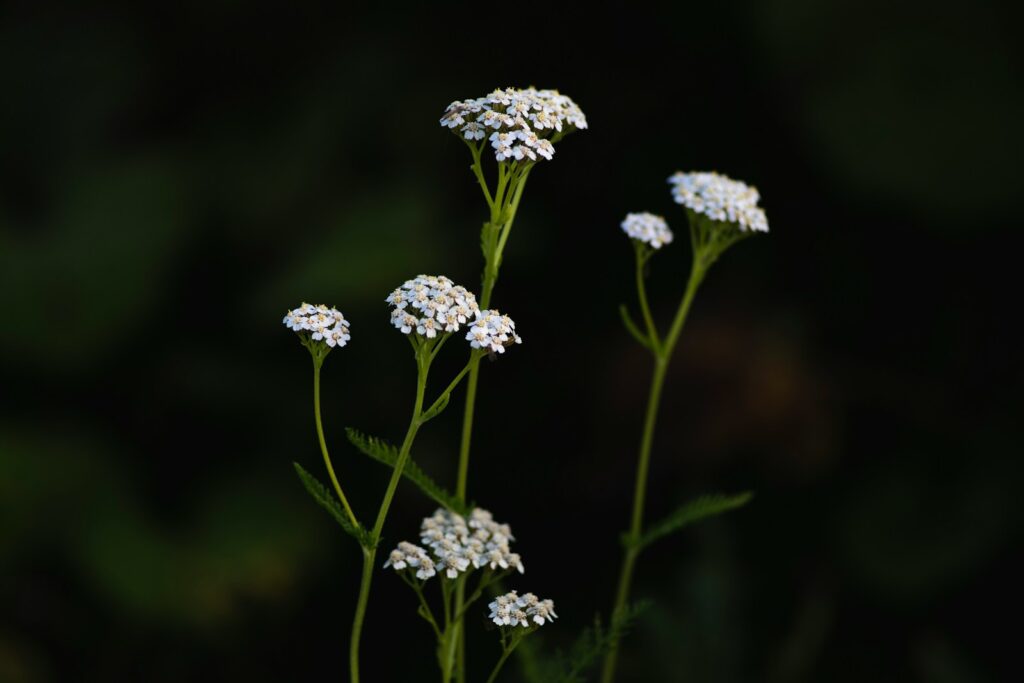
Yarrow is a survivor, growing well in poor soil and needing very little water once it’s settled in. Full sun is best, but yarrow can adapt to various soil types as long as there’s good drainage.
This plant brings helpful insects like ladybugs to your garden. It comes in a range of colors and both wild and hybrid varieties.
No need for fertilizer or frequent care, just sunlight and occasional watering. Yarrow is a great addition if you want a plant that can handle neglect.
Daylilies
Daylilies are perfect for anyone who wants color without the hassle. They grow in almost any soil and bloom even when you forget about them.
These plants are tough, thriving in both sun and shade. They handle dry spells and wet soil with ease.
Even with little attention, daylilies keep coming back year after year. They’re ideal for busy people or new gardeners.
Sedum Autumn Joy

Sedum Autumn Joy is another plant that barely needs you. It grows in poor soil and stands up to dry conditions.
The pink flower clusters turn deep red in fall, adding long-lasting color. Its thick leaves store water, so missing a watering isn’t a big deal.
This plant is great in containers, rock gardens, or borders. It spreads slowly, giving you more plants over time.
Lamb’s Ear
Lamb’s Ear is a soft, silvery ground cover that feels as good as it looks. It spreads quickly and brightens up bare spots without much attention.
This plant likes full sun but can handle some shade. Dry, well-drained soil is best, and it shrugs off drought once established.
Watering is needed only occasionally. Some varieties even send up purple or pink flower spikes for extra color.
Lamb’s Ear works well as a border or in rock gardens. If you want a low-maintenance, tough plant, this is a great option.
Why Some Plants Thrive in Poor Conditions

Some plants just know how to make the best of a bad situation. They have built-in strategies to find water and nutrients, even when the soil is dry or rocky.
Many tough plants have thick leaves for storing water or roots that reach deep underground. These tricks help them survive drought and heat.
Some have hairy or rough leaves to reduce water loss. Others grow slowly to save energy until conditions improve.
These natural skills make them perfect for anyone who can’t give constant attention.
Tips for Growing Resilient Plants at Home
You don’t have to be an expert to keep these hardy plants happy. Little habits go a long way.
Let the soil dry out before watering again. Most tough plants dislike sitting in wet soil.
Check with your finger: if the soil feels dry a couple inches down, it’s time to water. Give them bright, indirect light, and avoid scorching sun all day.
If you don’t have much light, pick plants that tolerate low light. Don’t stress about perfect timing or fancy pots.
Resilient plants adapt to your routine and keep growing strong, even when life gets busy.
Improving Poor Soil Without Big Effort

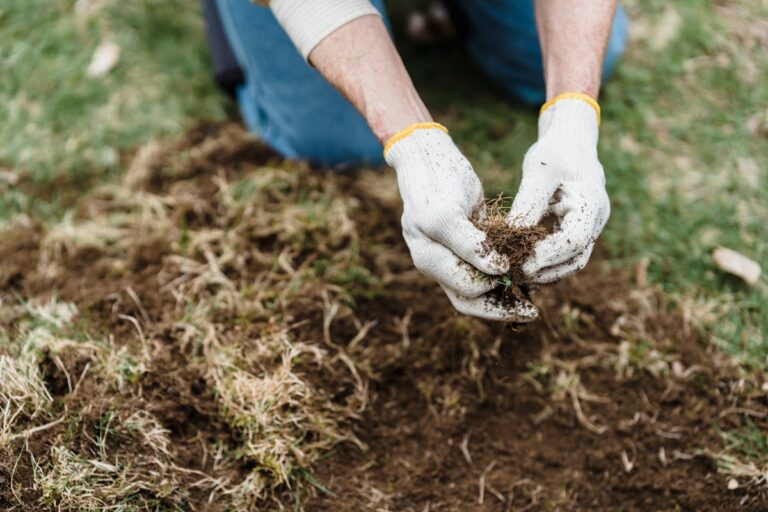
Ever feel like your plants just aren’t thriving, no matter what you do? Working with less-than-perfect soil can be frustrating, but there are ways to make it easier.
Start with soil that drains well. You can mix in sand or perlite to help water move through easily.
This stops water from pooling around roots and lowers the chance of rot. Add a light layer of compost or organic matter on top every few weeks to feed your plants.
This helps improve soil health gradually without needing full soil replacement. If your soil is very bad, use pots with good drainage holes.
A simple tray under the pot can catch excess water, so you don’t have to worry about overwatering as much. Even small changes can lead to healthier, happier plants.