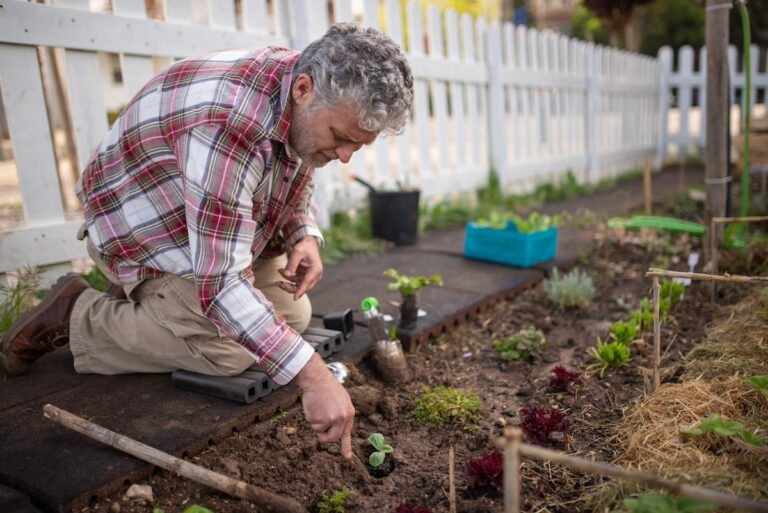
Plants That Survive Canadian Winters Without Babying
Canadian winters can turn any garden into a real test of endurance. If you’re tired of plants that need constant attention or struggle to survive, it’s time to discover the tough ones that thrive with minimal care.
Finding the right plants for your yard means you can enjoy some color and life even when the snow piles up. These hardy options keep your outdoor space looking good, without the stress.
Boxwood Shrub
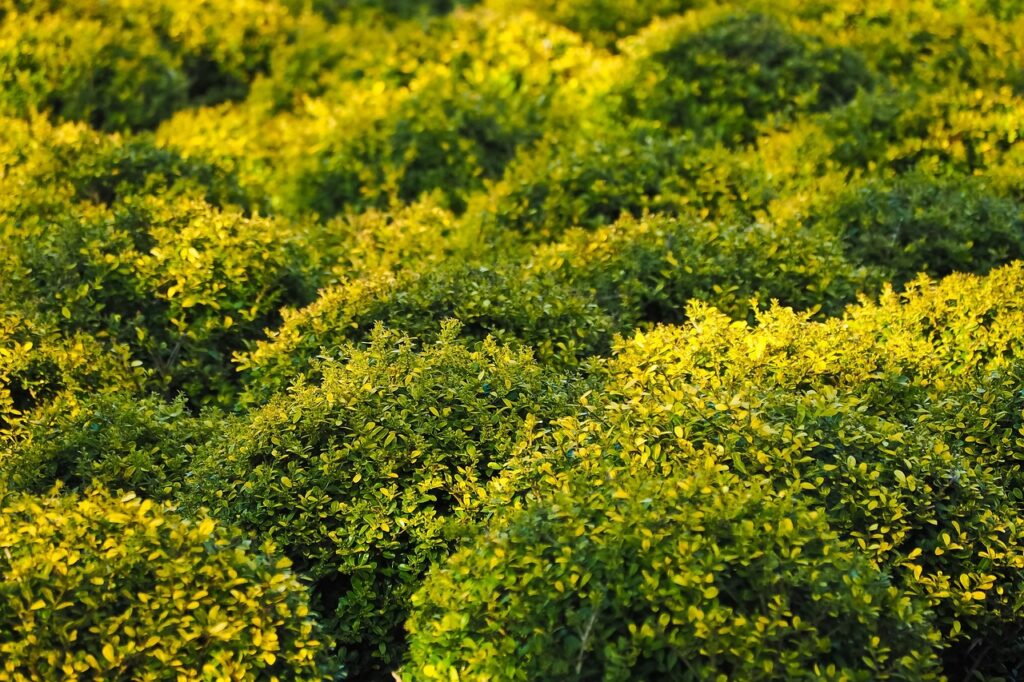
Boxwood shrubs are a classic choice if you want greenery that sticks around all year. These evergreens have dense, glossy leaves and handle cold Canadian winters with ease.
They adapt to different soils and grow in both sun and shade. Once planted, they don’t need much watering or special treatment.
Boxwoods are easy to shape, so you can create neat hedges or playful designs. Their slow growth keeps them looking tidy for years.
Hellebore
Hellebores are known for blooming even when there’s snow on the ground. Their flowers pop up in late winter or early spring, just when you need a sign of life.
They survive frozen soil and don’t mind harsh temperatures. Snow actually helps by acting as a protective blanket.
Hellebores prefer partly shady spots and well-drained soil. Once they’re settled, you can leave them alone and they’ll keep coming back.
Pansies
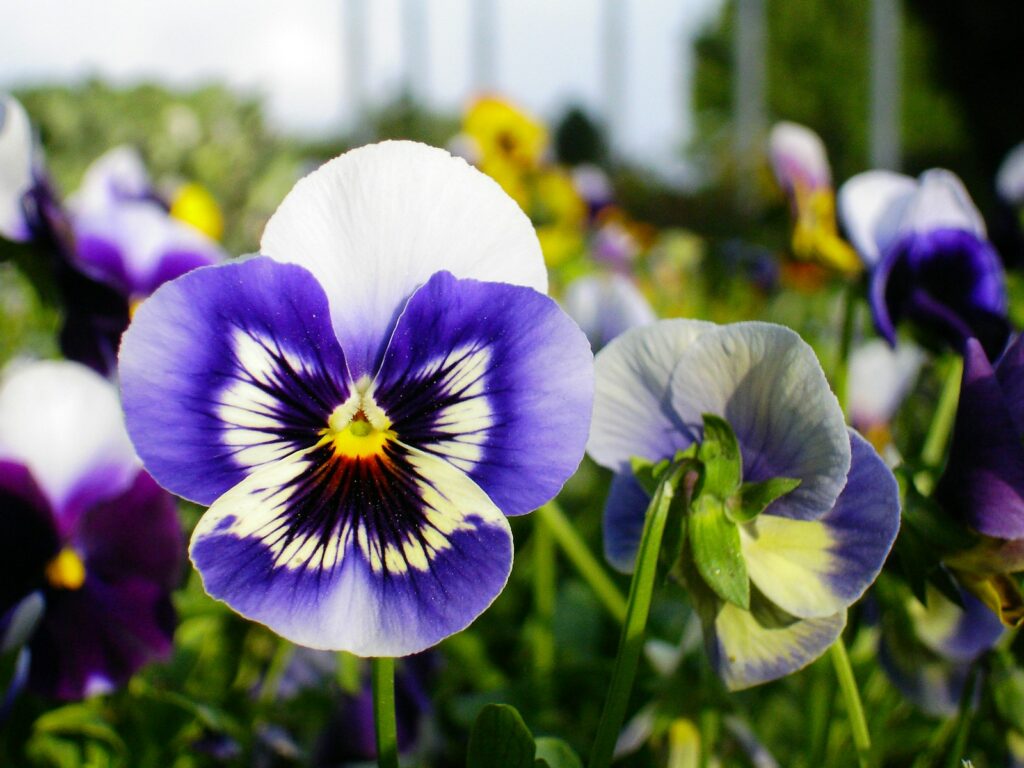
Pansies add a splash of color when most flowers have given up. These little blooms can handle frost and bounce back after a cold snap.
Even if they wilt, the plant usually survives and new buds appear when it warms up. Plant them in fall or early spring for the best results.
Some varieties are bred to withstand even snow and freezing temps. Just plant, water, and enjoy their cheerful faces through the chilly months.
Snowdrops
Snowdrops are among the first flowers to show up as winter fades. Their white blooms peek through the melting snow, bringing hope that spring is near.
These bulbs don’t need much attention and can survive cold winters with ease. Plant them in fall and they’ll return every year, spreading slowly.
They grow well in shady spots and need soil that drains well. Snowdrops also help early pollinators find food when little else is blooming.
Winter Aconite
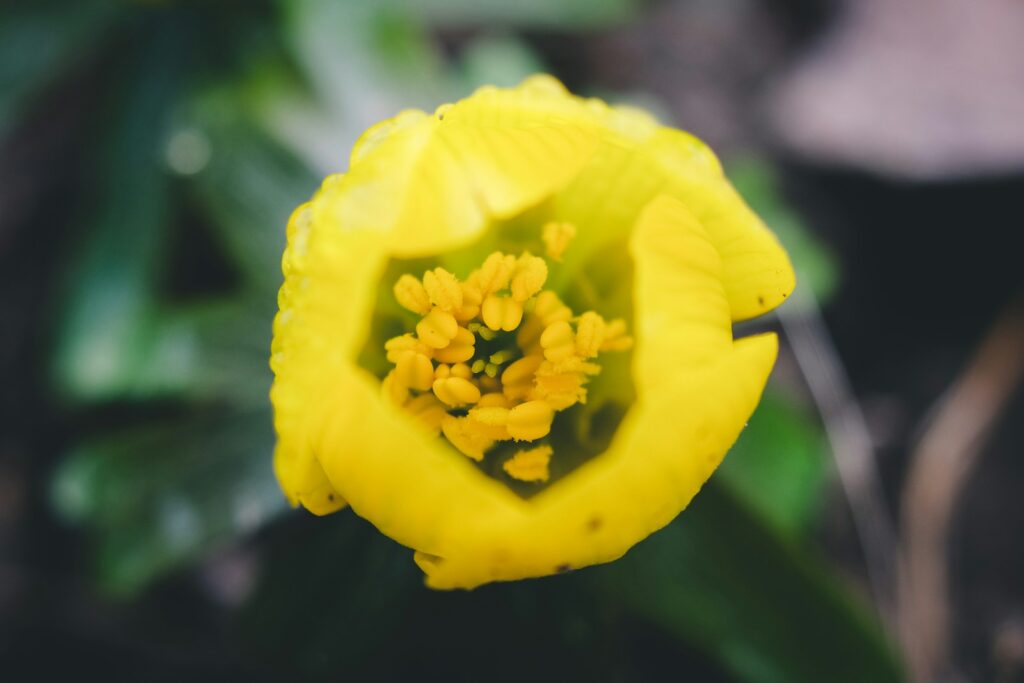
Winter aconite is a tiny plant with bright yellow flowers that appear when most gardens are still quiet. These blooms look like little buttercups and sit close to the ground.
They start blooming in late winter, sometimes pushing right through the snow. Plant the tubers in a shady spot with good drainage in early autumn.
This plant spreads slowly and creates a cheerful yellow carpet as winter ends. No extra care needed, just let nature do its thing.
Ornamental Cabbage
Ornamental cabbage brings bold colors to your garden, even as temperatures drop. The leaves turn shades of purple, pink, and white, brightening up winter days.
This plant can handle frosty nights and even looks better after a cold snap. The chill deepens the colors, making your garden stand out.
Plant ornamental cabbage in a sunny spot for the best effect. It’s tough and doesn’t need much fuss to keep looking good.
Juniper
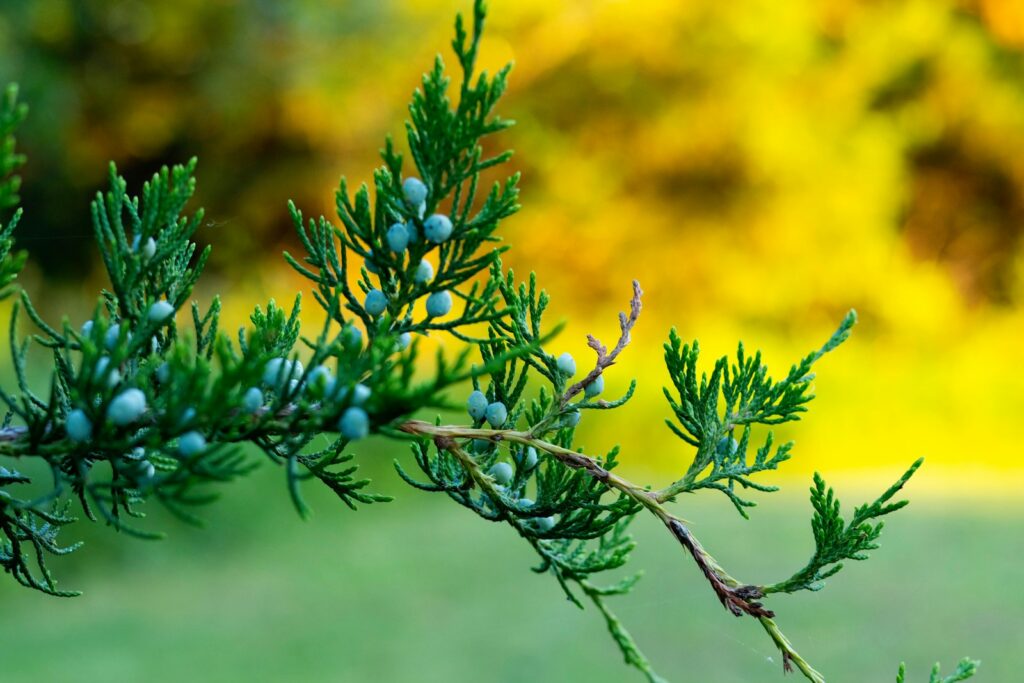
Juniper is an evergreen ground cover that stays green no matter how cold it gets. It’s a great pick if you want something that requires very little care.
There are many types, from low mats to small shrubs, so you can find one that fits your space. Juniper helps keep weeds down and prevents soil erosion.
These plants love full sun and are drought-tolerant once established. In winter, some varieties even develop purple or burgundy tones for extra interest.
Coral Bark Maple
Coral Bark Maple stands out with its bright red stems all winter. When the leaves fall, the bark becomes the star, adding color to your yard.
The tree starts with green leaves in spring that turn golden or orange in fall. As the weather cools, the red bark gets even brighter.
This maple grows slowly and doesn’t need much attention to survive winter. Plant it in sun or partial shade for the best results.
Evergreen Ferns
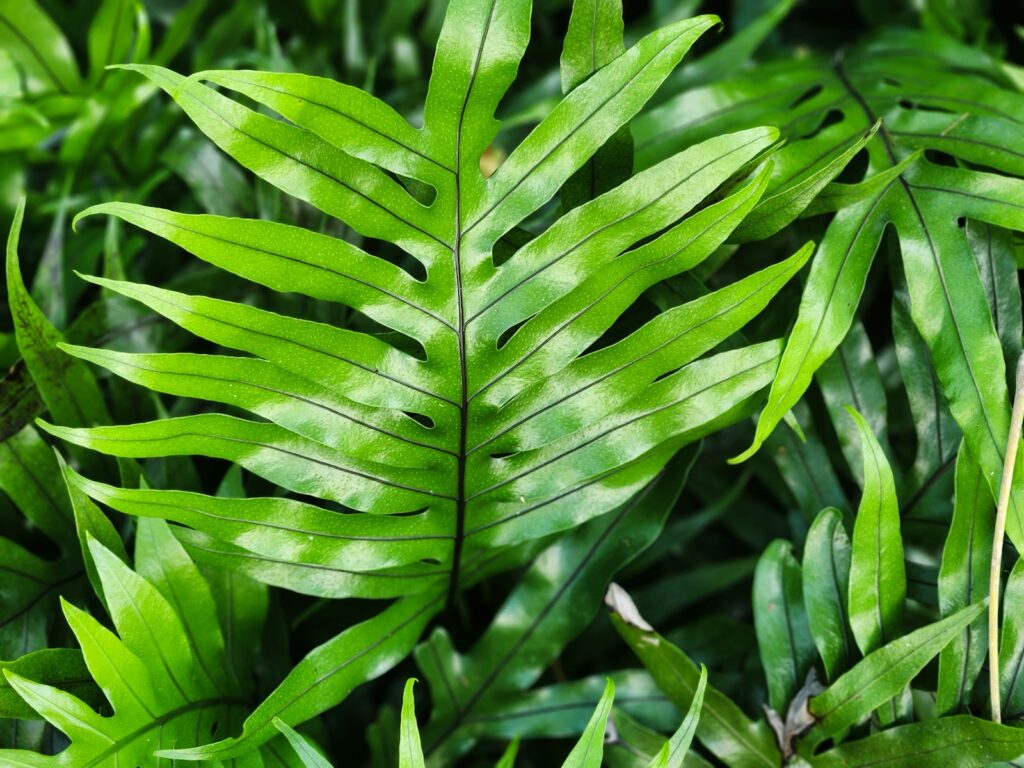
Evergreen ferns keep your garden looking lush, even when snow covers everything else. Their fronds create a soft texture and bring a touch of green to gray winter days.
Many fern varieties are hardy enough for Canadian winters. Choose ones suited for your region and they’ll handle cold and wind without extra help.
Ferns do well in shaded or partially shaded spots with cool, moist soil. Once established, they need very little care to keep thriving.
Heath and Heather
Heath and heather are perfect for adding color when most plants are dormant. These evergreen shrubs bloom in winter, showing off pink, purple, or white flowers.
Some types, like Erica carnea, are especially good at surviving cold Canadian winters. They grow low to the ground and don’t need much protection.
Planting a group together creates a colorful carpet that stands out against the snow. These shrubs resist drought and deer, making them a reliable choice.
Why Some Plants Thrive in Canadian Winters
You might wonder how certain plants manage to survive freezing temperatures and heavy snow. These hardy varieties have clever ways of protecting themselves from the cold.
Adaptations to Cold Climates
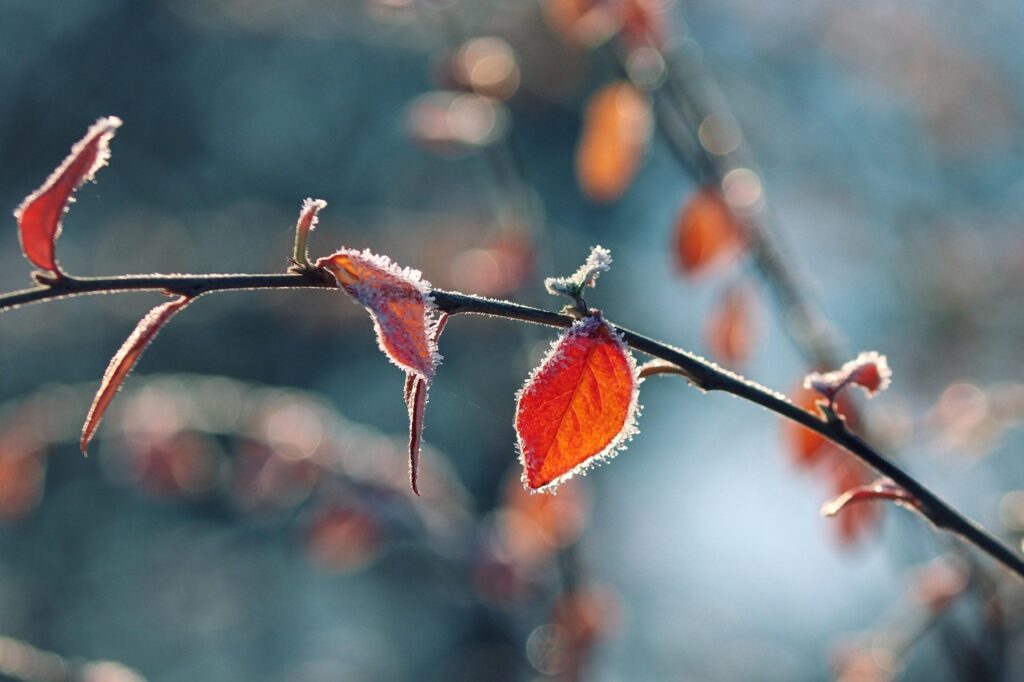
Many tough plants grow thick bark or waxy leaves to block out icy winds. Some even make their own antifreeze inside their cells to stop them from freezing.
Evergreens keep their needles thanks to a waterproof coating that prevents water loss. Other plants go dormant to save energy until spring.
Soil and Sunlight Requirements
Well-draining soil is key for winter survival. Hardy plants usually prefer soil that doesn’t stay soggy, which helps protect roots from rot.
Pay attention to how much sun your garden gets. Some winter plants like morning sun and afternoon shade, while others handle full sun just fine.
Low-Maintenance Winter Gardening Tips
Taking a few simple steps can help your garden stay healthy all winter. Protecting roots and adjusting your routine makes a big difference.
Mulching for Extra Protection
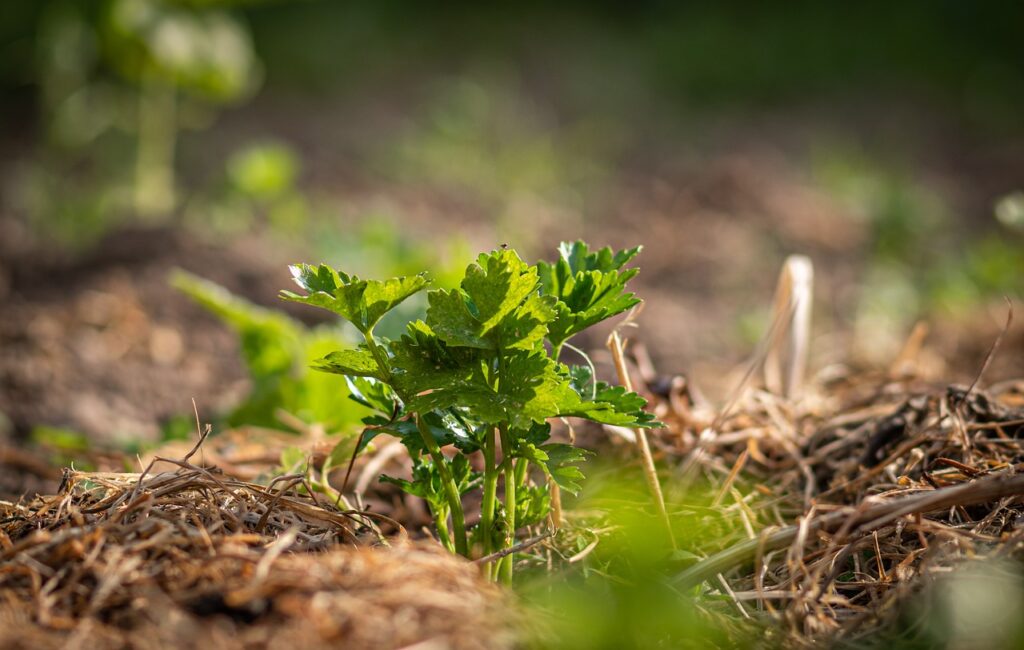
Adding mulch around your plants is an easy way to keep soil warm and prevent freezing. Use bark, straw, or leaves to create a layer two to four inches thick.
Mulch also locks in moisture and keeps the ground from drying out. Spread it evenly, but keep it away from plant stems to avoid rot. This small effort helps your garden sail through winter with less worry.
Watering Strategies During Cold Months
Finding the right balance for watering in winter can be tricky. You want to keep your plants healthy without overdoing it.
When temperatures stay above freezing, give the soil a deep soak. This helps roots stay hydrated and prevents them from drying out in chilly air.
Skip watering if the ground is frozen or snow is covering your garden. Doing so at the wrong time can actually damage roots by causing them to freeze.
Try watering in the early morning. That way, the soil has time to absorb moisture before temperatures drop at night.
If you use mulch, your plants may not need as much water. To check, stick your finger about two inches into the soil. If it feels dry, go ahead and water.