Poinsettias Carried Outside Unwrapped Below 50 Degrees Can Be Damaged Between the Store and the Car, Extension Experts Warn
The trip from a store’s checkout to the car is the coldest stretch a poinsettia faces on its way home, and Oklahoma State University Extension draws the line at 50 degrees: below that, an unwrapped plant should not be carried outdoors. Kylee Harrison of the Kansas State University Wild West District, repeating a warning from K-State horticulturist Ward Upham, writes in poinsettia tips for success that any temperature below 50 degrees for any length of time could damage the plant.
The advice applies from now through the holiday shopping season, when plants move from heated stores to cold parking lots.
How Little Cold It Takes
Iowa State University Extension’s Richard Jauron and Aaron Steil put the risk in terms of leaves. In their guide to selecting and caring for poinsettias, they write that exposure to freezing temperatures, even for a brief moment, may cause the leaves to blacken and drop.
Purdue Extension’s Rosie Lerner makes a similar point about wind. In a Purdue Yard and Garden column on wrapping plants, she writes that cold and wind exposure for as short a time as it takes to walk to the car can damage some plants.
Oklahoma State’s fact sheet adds a second place where cold gets in once the plant is home: poinsettias should be kept away from cold drafts, and leaves should not touch windows, since cold glass may be injurious.
Wrapping the Plant for the Trip
Iowa State’s advice starts before the checkout line. The poinsettia should be bought at the end of the shopping trip so it is the last stop before heading home. Most garden centers and greenhouses will wrap the plant, Jauron and Steil note, but many big box stores do not, so a bag or sleeve may have to be requested.
Sarah Browning, a Nebraska Extension educator, gives the same ordering in a Lancaster County column titled Keep Gift Plants Under Wraps. If a shopping trip includes other stops, she writes, those should come first so plants do not sit in a cold car. Poinsettias and other holiday plants can be damaged by temperatures below 50 degrees, Browning says, and she suggests several layers of paper with air gaps between them, with a heavy grocery sack or cardboard box as the outer layer. The plant should be rushed from the shop to a heated car.
Lerner’s version adds two steps: warm up the car first, and if the plant has to sit in cold air for a while, set it in a box with several layers of newspaper bundled around the top and the pot. The packing also keeps the plant from tipping, which can break stems and roots and spill soil.
Harrison’s version is the simplest. Use a bag when moving the plant from the store to the car, and again from the car to the house.
Choosing and Settling the Plant at Home
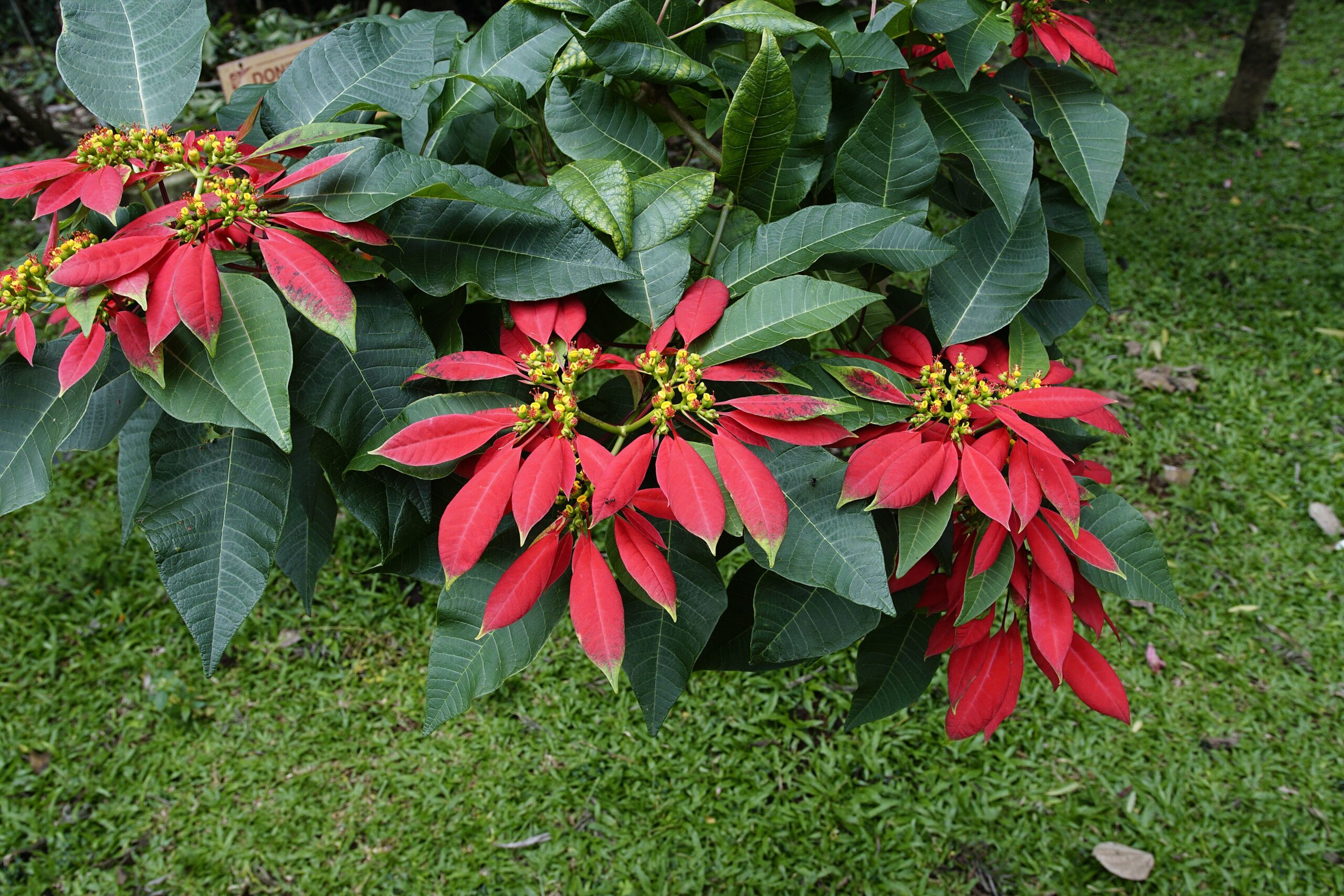
Condition at the store matters too. Mississippi State University Extension advises looking closely for damaged stems and branches, including under the sleeve covers, and checking the undersides of leaves for pests such as whiteflies and aphids. Oklahoma State recommends a plant with well-expanded, well-colored bracts and medium to dark green foliage.
At home, the sleeve should come off carefully. Both Iowa State and Mississippi State advise cutting or tearing the sleeve rather than sliding it off the pot, which can knock leaves loose.
Warmth and light come next. Iowa State says poinsettias prefer temperatures between 60 and 70 degrees and a spot near a sunny window or other well-lit area, away from cold drafts and from heat sources such as exterior doors that open and shut or heat registers. Mississippi State gives an ideal daytime range of 68 to 72 degrees. Oklahoma State asks for at least six to eight hours of direct natural or artificial light a day.
Watering is where many holiday plants go wrong. Jauron and Steil say to check the soil daily and water when the surface becomes dry to the touch, until water drains from the bottom of the pot, then remove any decorative cover so water does not pool. Harrison suggests checking about half an inch down and poking a hole in decorative foil so water can drain. Oklahoma State says slight wilting is not harmful, but severe wilting will cause leaves and bracts to drop faster.
Get stories like this by email. Sign up for The Parent Diaries Letter.
This article was produced with AI assistance and edited for accuracy against the sources linked above.
Image: Vengolis – CC BY-SA 4.0/Wikimedia Commons