Popular Plants That Are Actually Bad for Your Garden You Won’t Believe Are Harmful!
Ever walked through a garden center and felt drawn to those lush, familiar plants everyone seems to be buying? It’s tempting to grab what looks good, but sometimes the most popular picks can secretly turn your garden into a headache.
Some plants don’t just take up space. They can choke out your favorites, drain nutrients, and even put pets or kids at risk.
English Ivy
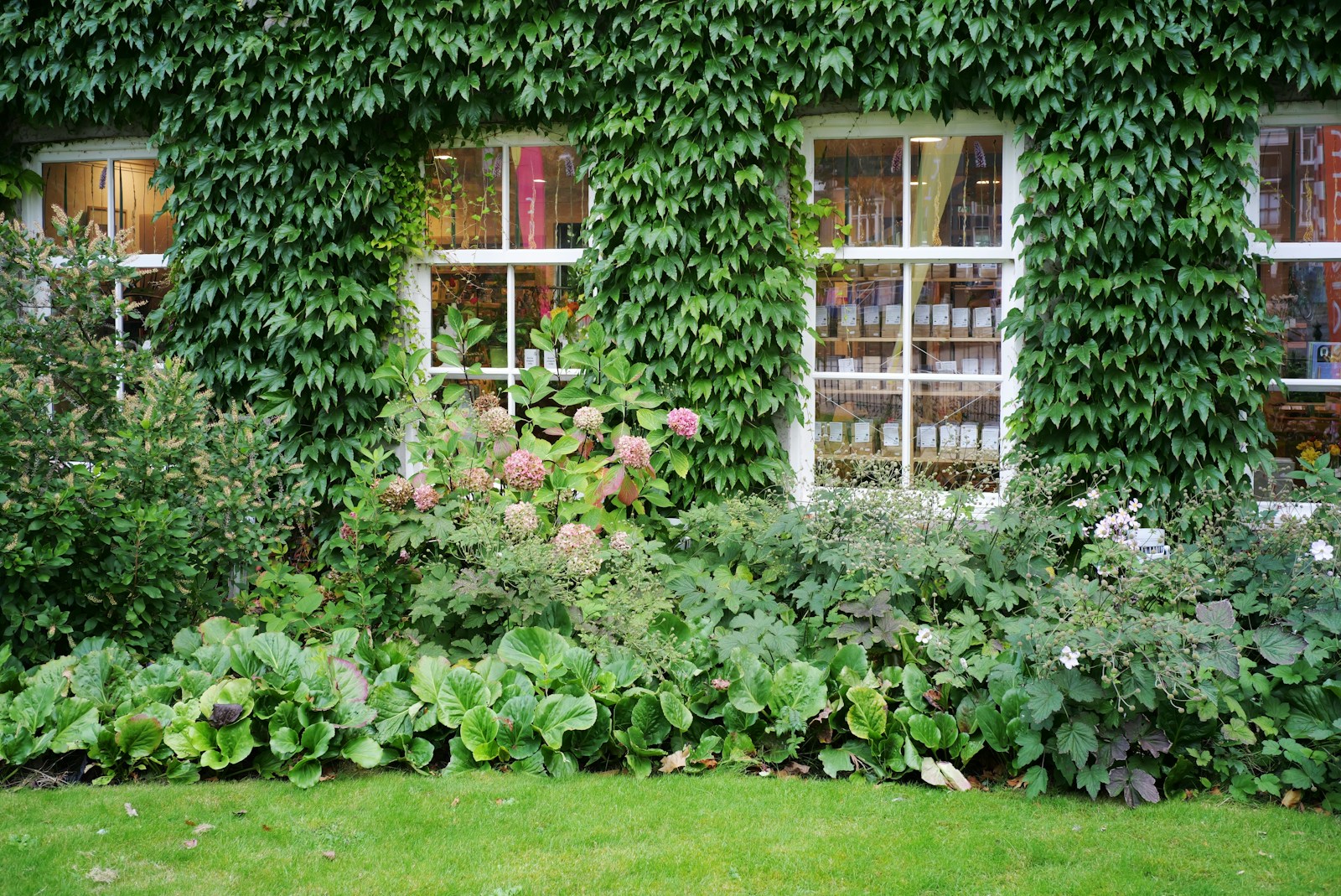
English Ivy’s deep green leaves can make fences and walls look charming in no time. It’s a classic for creating a full, vibrant look fast.
But this plant doesn’t know when to stop. Its tiny roots cling to brick or wood, causing damage over time. It also blankets everything below, blocking sunlight from reaching your other plants.
If you have trees, English Ivy can smother their bark and add weight, making branches weaker. This is especially tough during storms.
Once it’s settled in, removing English Ivy is a real challenge. It rarely responds to herbicides, so you’ll need to cut and pull it out by hand. In dry weather, it can even become a fire risk.
For those who love the look, keep it trimmed and contained. Otherwise, it can cause more headaches than beauty in your yard.
Fennel
Fennel is a flavorful addition to the kitchen, but it’s not always friendly in the garden. It releases chemicals into the soil that can keep nearby plants from thriving.
Common veggies like beans, cucumbers, and cabbage don’t get along with fennel. Planted too close, they may struggle or fail to grow.
Fennel does attract bees and helpful bugs, which is great for pollination. Just be sure to give it plenty of space so it won’t bother your other plants.
If you want to enjoy fennel, try planting it far from your main vegetable patch.
Oleander
Oleander stands out with its bright, long-lasting blooms and easy care. It’s a favorite in warmer climates for its color and resilience.
But every part of this plant is toxic. Even touching the leaves without gloves can cause skin irritation.
Some plants don’t grow well near oleander, so it can be a tough neighbor in your garden.
With all its risks, it might be better to look for safer, just-as-beautiful alternatives for a worry-free garden.
Japanese Knotweed
Japanese knotweed’s pretty blooms might fool you at first. This plant grows fast, reaching over ten feet tall and spreading aggressively.
If you spot it, act quickly. Knotweed can take over spaces where other plants want to grow. It survives tough conditions, popping up almost anywhere.
Trying to remove it yourself can backfire. Many people end up needing professional help to get rid of it for good.
Unchecked, it can even threaten nearby buildings. Keep an eye out so this invader doesn’t take over your green space.
Purple Loosestrife
Tall spikes of purple flowers make purple loosestrife look like a dream for pond edges and marshy spots. It grows between three and ten feet, adding bold color.
But this plant is highly invasive. Once it takes root, it spreads fast and crowds out the native plants that wildlife needs.
In many states, it’s actually illegal to plant purple loosestrife because it’s so damaging. Even with special beetles brought in to control it, it’s tough to remove.
If you want purple blooms, safer alternatives are out there that won’t harm your garden or local ecosystems.
Kudzu
Kudzu is famous for its rapid growth. It can shoot up to a foot a day, quickly covering trees, shrubs, and anything else in its path.
But this speed comes at a cost. Kudzu is invasive and can smother native plants by blocking sunlight and taking over large areas.
It spreads through runners and even from small pieces that touch the ground. Once it’s in your yard, it’s extremely tough to control.
If you love a lively garden, there are plenty of other options that won’t become a never-ending battle.
Russian Olive
Russian olive trees catch your eye with silvery leaves and sweet-smelling flowers. At first glance, they seem perfect for your yard.
The problem is, they take over quickly. Russian olive grows in dense clusters, crowding out native plants and reducing plant and animal diversity.
This tree also changes the soil by adding nitrogen, which can make it harder for local plants to grow. Even after cutting them down, they can regrow from the roots.
For a healthier garden and local environment, it’s better to skip Russian olive and pick plants that fit your area.
Yellow Star Thistle
Yellow star thistle might look cheerful, but it’s a real problem for gardens. It spreads fast, taking over and pushing out the plants you want.
Its deep roots steal water and nutrients, making it hard for other plants to survive. One plant can produce up to 150,000 seeds, which can stay in the soil for up to ten years.
If you keep bees, you might notice the honey is especially good from these flowers. But letting yellow star thistle spread can quickly turn your garden into a thorny mess.
Spotting and removing new plants early is the best way to keep this invader out.
Giant Hogweed
Giant hogweed stands tall with big white flowers, making it hard to miss. But this plant is dangerous.
Its sap can cause severe burns and blisters if it touches your skin. It spreads quickly, crowding out native plants and making it tough for other flowers and grasses to grow.
If you think you have giant hogweed, don’t try to remove it yourself. Reach out to local experts who know how to handle it safely.
If sap gets on your skin, wash immediately with soap and water and avoid sunlight for two days. Staying safe means keeping your distance from this plant.
Chinese Wisteria
Chinese wisteria’s fragrant, cascading flowers make it a showstopper for trellises and pergolas. It grows fast and quickly covers whatever it climbs.
But this vine is a tough competitor. It fights other plants for water and nutrients, sometimes killing them by choking roots and blocking sunlight.
The vines can wrap tightly around trees and shrubs, causing damage over time. It also produces many seeds that spread easily to unwanted areas.
If you want wisteria, consider the native American variety instead. It grows slower and is easier to manage.
Beautiful as it is, Chinese wisteria can bring more problems than beauty if it gets out of hand.
Why Seemingly Popular Plants Cause Hidden Harm
Some plants that look great on the surface can quietly cause big headaches in your garden. They might take over space, harm your favorite plants, or even attract unwanted pests.
Invasive Species and Ecosystem Disruption
Certain non-native plants can spread quickly, pushing out the native species your local wildlife depends on. This upsets the natural balance and reduces the variety of plants and animals in your yard.
English ivy, for example, can cover large areas, making it hard for other plants to survive. These plants often look harmless but can become a real struggle once they get established.
Competition With Native Plants
Popular plants sometimes compete so well for sunlight, water, and nutrients that native species don’t stand a chance. When native plants disappear, birds, bees, and other creatures lose important food and shelter.
Thick covers and fast-growing roots can make it nearly impossible for smaller, local plants to thrive.
Unwanted Pests and Diseases
Some trendy plants attract pests or carry diseases that can spread to the rest of your garden. Lantana, for instance, is pretty but its berries are toxic and it can harbor harmful insects.
Once these pests or diseases move in, your garden can quickly go downhill. Protecting your plants means being careful with what you bring home.
How to Make Smarter Plant Choices
Picking the right plants can make all the difference for a healthy, low-stress garden. Knowing which ones to avoid helps you grow a space you love without constant battles.
Alternatives to Problematic Favorites
Have you ever fallen in love with a plant, only to find out it is not the best choice for your garden? It can be frustrating to let go of favorites, especially when they look so good.
Luckily, there are plenty of beautiful alternatives that are easy to grow and do not cause headaches. If you have considered bamboo but worry about it spreading everywhere, native grasses can give you that same lush look.
Hybrid roses are known for needing lots of care and chemicals. Knock Out roses are a great option if you want less watering and spraying.
If you like the bright colors of mums, coneflowers are a great swap. They bring in pollinators and are much easier to keep happy.
Here’s a quick list of alternatives:
| Problematic Plant | Smart Alternative | Benefit |
|---|---|---|
| Bamboo (running) | Native grasses | Controls spreading |
| Hybrid roses | Knock Out roses | Low maintenance |
| Classic mums | Coneflowers (Echinacea) | Attracts pollinators, hardy |
Researching Regional Recommendations
Ever wondered why some plants thrive in your neighbor’s yard but struggle in yours? The secret often comes down to matching plants with your local climate and soil.
It’s tempting to grab the prettiest plant at the store, but it pays off to do a little research first. Find out what types of plants naturally do well in your region.
Native plants are a great starting point. They usually need less water and tend to resist pests better than non-native options.
Local extension offices and gardening groups are helpful resources for finding lists of plants that are a safe bet for your area. They often know what works and what to avoid.
Using smart sources can help you steer clear of plants that might take over your garden. Always check if a plant is considered invasive in your location before you add it to your space.