Preparing Your South Florida Garden for the Cold: Essential Tips for Protecting Your Plants

As South Florida residents brace for the coldest temperatures in over a decade, many gardeners are faced with the daunting task of protecting their precious plants from frost and freezing conditions. While the region is known for its lush landscapes and vibrant gardens, the unexpected chill can pose serious risks to sensitive flora. Here’s how to prepare your garden and ensure your plants survive the colder weather ahead.
Understanding the Threat
South Florida typically enjoys a warm climate, with its USDA Hardiness Zones ranging from 10a to 11b. However, cold snaps can occur, especially during the winter months. This year, temperatures are expected to dip significantly, which can threaten tender plants that are not accustomed to frost. The first frost date in South Florida usually falls between late December and early January, but with the approaching cold wave, it’s crucial to be proactive.
Assessing Your Garden
Begin by identifying which plants in your garden are most vulnerable to cold. Some common tender plants include:
Tropical hibiscus
Bougainvillea
Lantana
Plumeria
Certain varieties of orchids
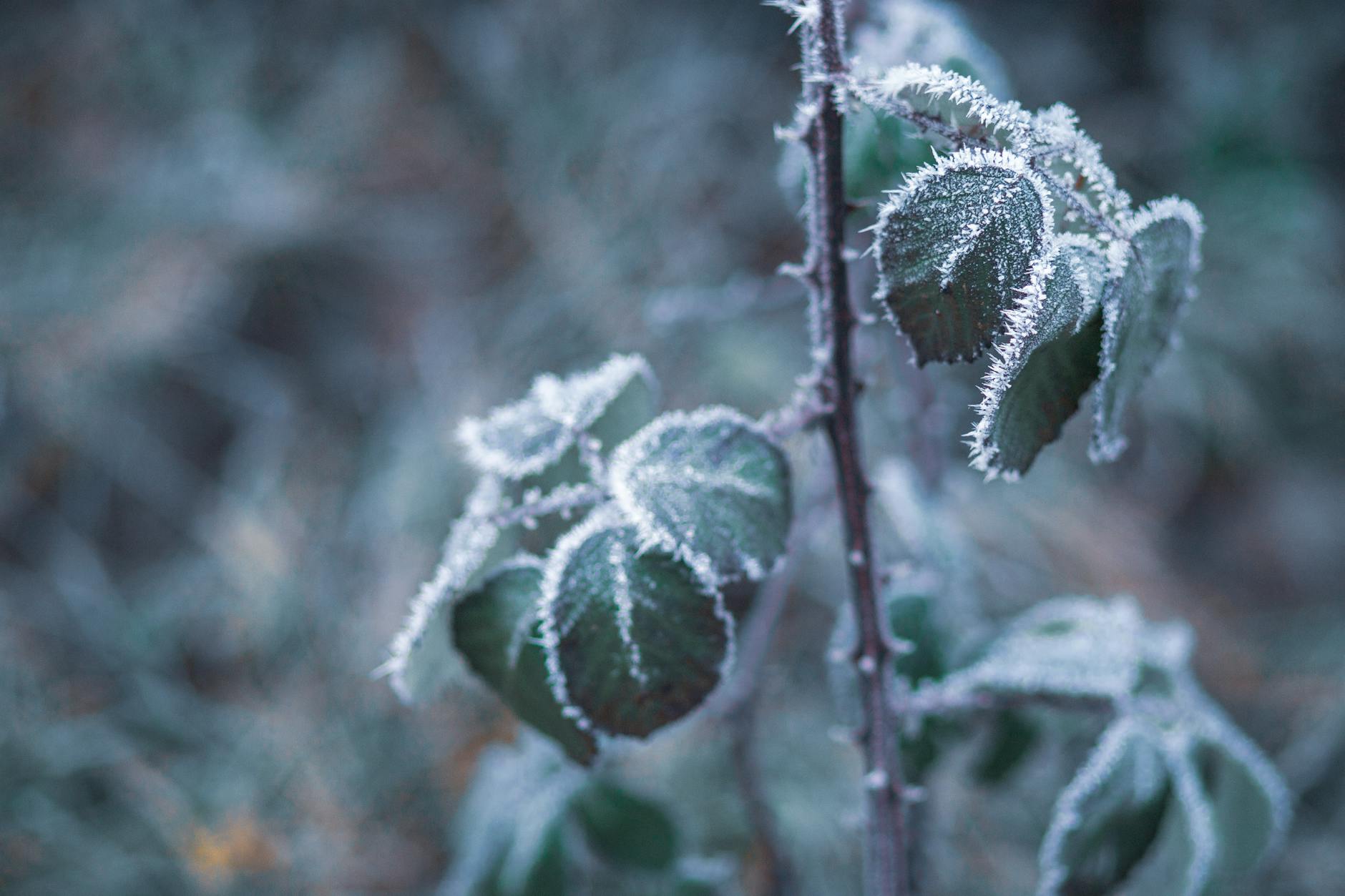
These plants can suffer damage if temperatures drop below 32°F (0°C). On the other hand, many native Florida plants, such as certain palms and hardy perennials, are more resilient and can withstand lower temperatures.
Preparation Steps
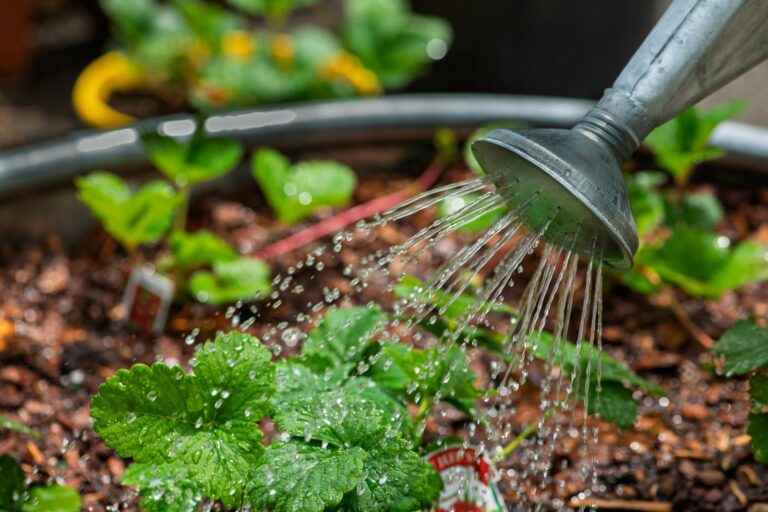
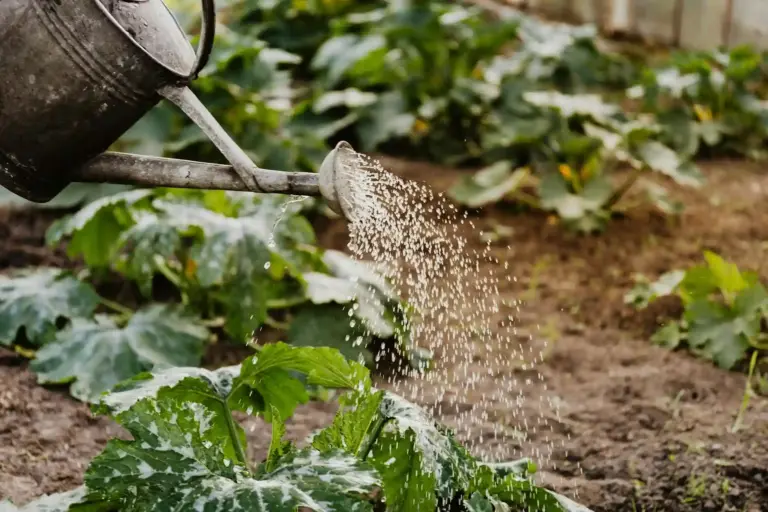
1. Water Wisely: One of the most crucial steps in preparing your garden for cold weather is to ensure your plants are well-watered before the cold hits. Moist soil retains heat better than dry soil, providing an extra layer of protection against frost. Be sure to water your garden deeply a day or two before the cold snap.
2. Mulching: Adding a thick layer of mulch around your plants can help insulate the soil and regulate temperature. Organic mulches, like straw or wood chips, not only protect roots but also improve soil health as they decompose. Apply a layer of 2 to 4 inches around the base of your plants, taking care to avoid direct contact with stems.
3. Covering Plants: For the most vulnerable plants, covering them with frost cloths, blankets, or even old sheets can provide necessary protection. Make sure to cover the plants in the late afternoon or evening before the temperature drops, securing the covers with bricks or stakes to prevent them from blowing away. Avoid using plastic, as it can trap moisture and lead to more harm than good.
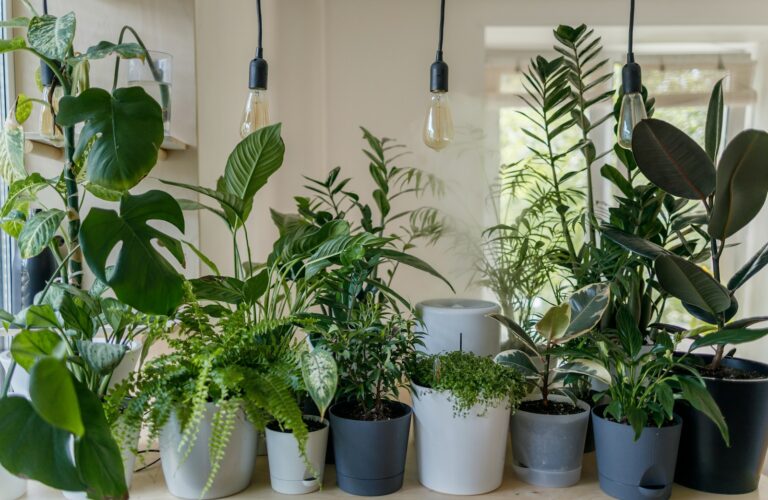
4. Bringing Potted Plants Indoors: If you have potted plants that can be moved, bring them indoors or into a garage or shed that is protected from the elements. Ensure they have adequate light and ventilation. If this isn’t possible, consider grouping potted plants together and wrapping them in blankets or bubble wrap for insulation.
5. Pruning and Trimming: Before the cold sets in, trim back any dead or damaged foliage. This not only helps improve the overall health of your plants but also reduces the amount of area that can collect frost. However, avoid heavy pruning of healthy plants, as this can stress them.
6. Using Heat Sources: If you have very sensitive plants, consider using heat lamps or string lights designed for outdoor use to provide extra warmth. This can be particularly effective for smaller areas or specific plants that are at high risk.
Common Mistakes to Avoid
Waiting Until It’s Too Late: Don’t wait for the weather forecast to change before taking action. Prepare your garden ahead of the cold snap to give your plants the best chance of survival.
Overwatering: While moisture is essential, overwatering can lead to root rot, especially in cooler weather. Make sure the soil has good drainage and only water as needed.
Using Inappropriate Covers: Avoid using plastic as a cover, as it can cause condensation and damage. Stick with breathable materials that can provide warmth without trapping moisture.
After the Cold Snap
Once the cold weather has passed, it’s important to check your plants for any damage. Look for signs of wilting, discoloration, or browning leaves. For any damaged plants, prune away dead or affected areas to encourage new growth. Additionally, be sure to monitor the weather closely and be ready to protect your garden again if more cold weather is on the horizon.
In conclusion, while cold temperatures can pose a challenge to South Florida gardeners, taking these proactive steps can make a significant difference in protecting your plants. By understanding the risks, preparing your garden effectively, and avoiding common pitfalls, you can ensure that your garden remains vibrant and healthy, even in the face of unexpected frost. Happy gardening!