Pumpkins and Winter Squash Keep Best at 50 to 60 Degrees, While Potatoes Want 32 to 40 Degrees and 95% Humidity
Pumpkins, butternut squash and potatoes often come out of the garden within weeks of each other, but extension specialists say they do not belong in the same storage spot. Pumpkins and winter squash keep best at 50 to 60 degrees Fahrenheit, while potatoes want a much colder 32 to 40 degrees and 95 percent humidity, according to the University of Minnesota Extension storage guide by post-harvest horticulturist Cindy Tong.
Other universities land in a similar range with small differences, and the details change how long each crop lasts.
Pumpkins Want Cool, Dry Air Around 50 to 60 Degrees
Tong lists pumpkins under cool and dry storage, a category the Minnesota guide defines as 50 to 60 degrees and 60 percent relative humidity. She adds that pumpkins are very sensitive to temperatures below 45 degrees and that they keep for about two months. Pumpkins should be harvested when the shells harden and before frost.
A University of Wisconsin Extension handout from Oconto County, prepared for a Lunch & Learn session on successful storage of garden produce, gives pumpkins 50 to 60 degrees for two to six months. It also lists 80 to 85 degrees for 7 to 10 days of curing at the start.
The Cornell Vegetable Program’s VegEdge newsletter ran a table by NC State’s Jonathan Schultheis and Charles Averre that sets pumpkin storage at 50 to 55 degrees and 50 to 75 percent humidity for two to three months. Taken together, the sources agree that the pumpkins want to be cool and on the dry side, not cold.
Butternut and Other Winter Squash Hold Longest at 50 to 55 Degrees
Winter squash share the cool, dry rule. Tong says squash should be harvested when the shells are hard and before frost, that curing is unnecessary except that Table Queen should not be cured, and that shelf life runs two to six months depending on variety.
Aaron Steil of Iowa State University Extension is more specific about temperature. Squash store at 50 to 55 degrees in a cool, dry, well-ventilated place, he writes, after curing at 80 to 85 degrees and 80 to 85 percent humidity, a step that should skip acorn squash because it lowers quality and storage life. His storage lives are acorn at 5 to 8 weeks, butternut at 2 to 3 months and Hubbard at 5 to 6 months.
The VegEdge table agrees on those timelines. It lists butternut or buttercup squash at 50 degrees and 50 to 75 percent humidity for 2 to 3 months, Hubbard at 50 to 55 degrees for 5 to 6 months, and acorn at 50 degrees for 5 to 8 weeks.
North Carolina’s Eli Snyder, an extension agent in Caldwell County, runs a bit warmer. In a winter storage article updated in December 2024, she recommends 55 to 60 degrees for pumpkins and winter squash, with low humidity around 65 to 70 percent, and says acorn squash does better at 45 to 50 degrees.
Potatoes Need the Cold, Dark and Damp Treatment
Potatoes are the exception in the pantry. Tong says they should be stored dark, cold and moist at 32 to 40 degrees and 95 percent relative humidity, after curing at 50 to 60 degrees for 14 days. They should be harvested when the vine dies back, and they keep about six months.
Steil also cures potatoes at 50 to 60 degrees and 85 to 90 percent humidity for two weeks, then stores them in the dark at 40 degrees and 90 to 95 percent humidity, which he says lasts 5 to 8 months. The Wisconsin handout lists cold, moist storage at 32 to 40 degrees and 95 percent humidity for 2 to 9 months.
One variation matters for the kitchen. Tong says potatoes grown for frying should be stored at 40 to 50 degrees to avoid cold-induced sweetening and discoloration. Snyder gives a warmer 45 to 50 degrees for storing Irish potatoes and says slightly lower temperatures help prevent sprouting.
Onions, Carrots and Other Crops Have Their Own Settings
Tong’s guide spells out where other crops fit. Beets, carrots, cabbage, kohlrabi, radishes and turnips go cold and moist at 32 to 40 degrees, with the tops removed from most of them first. Onions go cold and dry at the same temperature, but only after curing at room temperature for two to four weeks, and they should not be frozen.
Warmer-season crops such as cucumbers, eggplant, peppers, red tomatoes and summer squash store at about 55 degrees in perforated plastic bags, Tong says, and tomatoes should not be refrigerated.
The Wisconsin handout sets onions at 32 to 35 degrees and 65 percent humidity, and carrots at 32 to 40 degrees and 95 percent humidity. Its figures vary from section to section for some crops, so the temperature and humidity for a specific crop are worth checking against a full guide before a storage space is set up.
Across the five sources, recommendations for pumpkins and winter squash run from 45 to 50 degrees for acorn squash up to 60 degrees for the warmest ranges, while potatoes are placed between 32 and 50 degrees depending on the use. Because the ranges for potatoes and for pumpkins and squash barely overlap, a single storage space cannot hold both at their ideal settings.
Gardeners with only one cool spot can use the numbers to decide which crop gets it. Potatoes need the coldest, most humid corner at 32 to 40 degrees and 95 percent humidity, and the pumpkins and squash need the drier, warmer one at 50 to 60 degrees.
Get stories like this by email. Sign up for The Parent Diaries Letter.
This article was produced with AI assistance and edited for accuracy against the sources linked above.
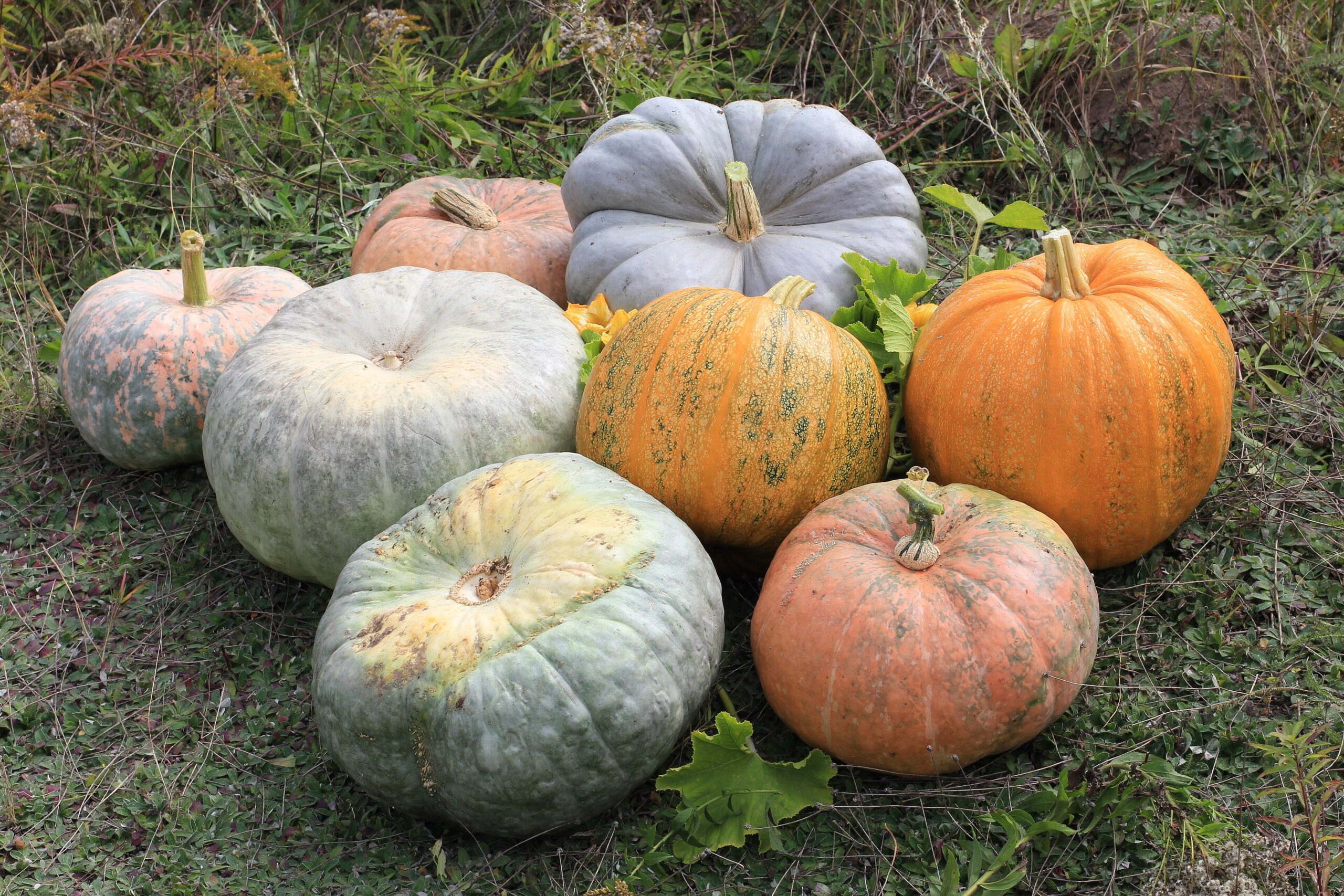
Image: George Chernilevsky – Public domain/Wikimedia Commons