Purr-fectly Safe: 7 Indoor Plants That Won’t Harm Your Cats
As a cat owner, you may find yourself wanting to bring a bit of greenery into your home while ensuring your feline friends remain safe. The good news is that many beautiful indoor plants are non-toxic to cats, allowing you to enjoy the beauty of nature without worry. In this article, we’ll explore some of the best cat-safe indoor plants, their care requirements, and tips for integrating them into your home.
Understanding Cat-Safe Plants
Before we dive into specific plant recommendations, it’s important to understand what makes a plant safe for cats. While many popular houseplants can be harmful to pets, several varieties are non-toxic. These plants can add aesthetic appeal to your space without posing a risk to your furry companions. Always remember, however, that even non-toxic plants can cause mild digestive upset if ingested in large quantities, so it’s wise to monitor your pet’s behavior around any new additions.
Best Indoor Plants for Cat Owners
1. Spider Plant (Chlorophytum comosum)
The spider plant is a popular choice among plant enthusiasts for its resilience and air-purifying qualities. With its arching green and white striped leaves, it can thrive in various lighting conditions. Spider plants are also known to be safe for cats, making them an ideal option for homes with pets. They require well-draining soil and should be watered when the top inch of soil feels dry.
2. Boston Fern (Nephrolepis exaltata)
Boston ferns are lush, feathery plants that can add a touch of elegance to your home. They prefer indirect light and humidity, making them perfect for bathrooms or kitchens. Regular misting is essential to keep them healthy. Plus, they are non-toxic to cats, allowing your furry friends to explore without fear.
3. Bamboo Palm (Chamaedorea seifrizii)
This elegant palm brings a tropical vibe to your indoor space. The bamboo palm thrives in indirect light and can tolerate low-light conditions, making it a versatile choice. It’s also safe for cats and can help improve indoor air quality. Keep the soil slightly moist, and avoid letting it dry out completely.
4. Areca Palm (Dypsis lutescens)
Known for its feathery, arching fronds, the areca palm is another safe option for cat owners. This plant prefers bright, indirect light and should be watered when the top inch of soil is dry. It’s a great addition to living rooms or entryways, bringing a touch of the tropics indoors.
5. Prayer Plant (Maranta leuconeura)
The prayer plant is known for its stunning foliage, featuring unique patterns that can brighten up any room. It thrives in bright, indirect light and prefers higher humidity levels. This plant is safe for cats and can be a fun addition to your collection. Remember to keep its soil consistently moist but not soggy.
6. Money Tree (Pachira aquatica)
The money tree is a popular plant believed to bring good luck and prosperity. With its braided trunk and lush leaves, it can be a striking centerpiece in your home. It enjoys bright, indirect light and prefers to dry out slightly between watering. Best of all, it is non-toxic to cats.
7. Calathea (Calathea spp.)
Calatheas are known for their beautiful, patterned leaves that come in various colors. They thrive in low to bright indirect light and enjoy higher humidity levels. These plants are also safe for cats, making them a lovely choice for cat-friendly homes. Keep the soil slightly moist, and mist regularly to maintain humidity.
Caring for Your Cat-Safe Plants
While these plants are safe for your cats, proper care is essential to keep them healthy and thriving. Here are some general tips for plant care:
Lighting: Most of these plants prefer indirect light, so placing them near a window where they receive filtered sunlight is ideal. Avoid exposing them to direct sun, which can scorch their leaves.
Watering: Overwatering is a common mistake. Always check the top inch of soil before watering to ensure it’s dry. Each plant has its own specific needs, so familiarize yourself with their requirements.
Humidity: Many of these plants benefit from higher humidity levels. Consider using a humidifier or placing a tray of water with pebbles underneath the pots to help maintain moisture in the air.
Fertilizing: During the growing season (spring and summer), feed your plants with a balanced liquid fertilizer every 4-6 weeks to encourage healthy growth.
Pest Management: Keep an eye out for pests like spider mites or aphids. Regularly inspect your plants and wipe down the leaves with a damp cloth to keep them clean. If you notice any infestations, treat them promptly with insecticidal soap.
Integrating Plants into Your Home
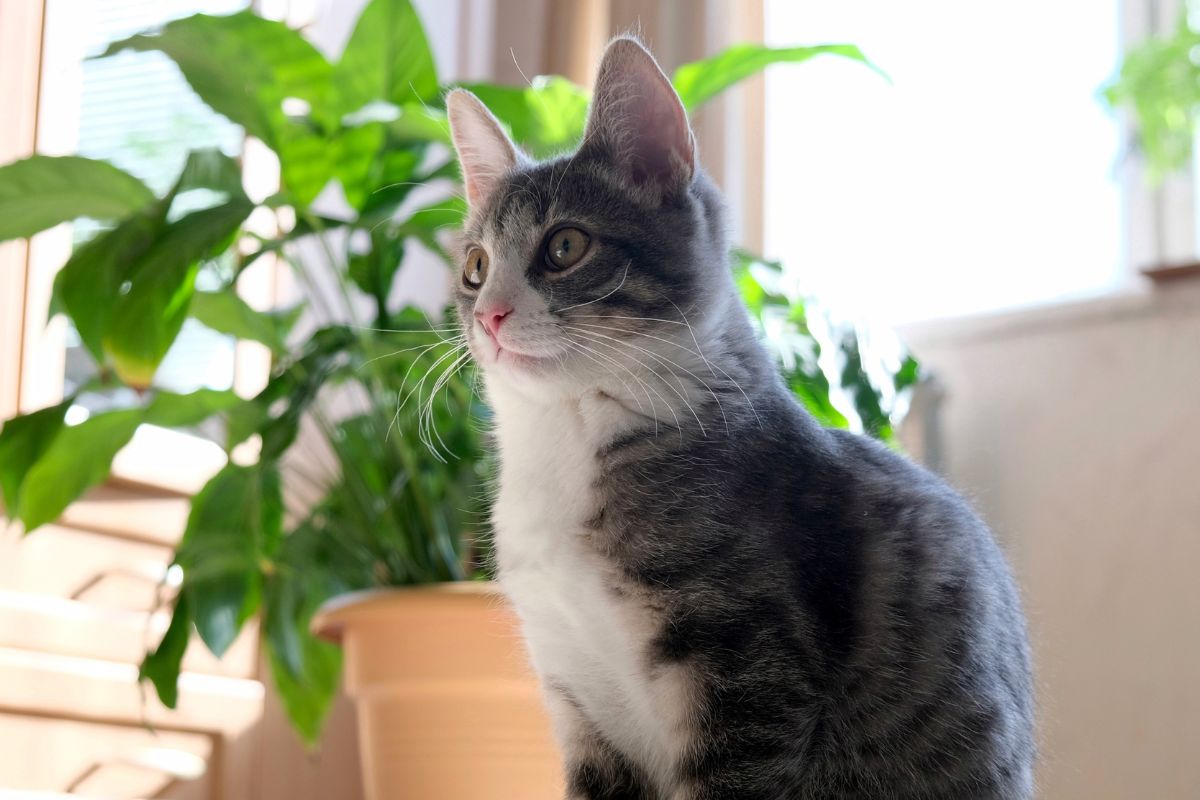
When introducing new plants into your home, consider placing them in areas where your cats can’t easily reach them if you have a curious cat. Hanging planters or high shelves can be great options. Additionally, you can create a designated cat-safe zone for your plants, allowing your pets to explore without the risk of munching on harmful foliage.
Final Thoughts
Bringing greenery into your home can enhance your living space and improve your well-being, and with the right choices, you can do so safely alongside your feline companions. By choosing cat-safe plants and following their care requirements, you can enjoy a flourishing indoor garden that both you and your pets can appreciate. Happy gardening!