Revitalize Your Garden: Essential Early Spring Tasks for a Thriving Landscape
As winter recedes and the first hints of spring emerge, gardeners across North America eagerly anticipate the opportunity to breathe new life into their outdoor spaces. Early spring is a critical time for preparing your garden for the growing season ahead. By following a few essential tasks, you can ensure that your plants thrive and your garden flourishes. Here’s a practical guide to waking up your garden the right way this season.
Assess Your Garden
Before diving into tasks, take a moment to survey your garden. Look for signs of winter damage, such as broken branches or dead plants. Make note of areas that may need extra attention, like compacted soil or areas that receive uneven sunlight. This assessment will help you prioritize your tasks and set the stage for a successful gardening season.
Clean Up Debris
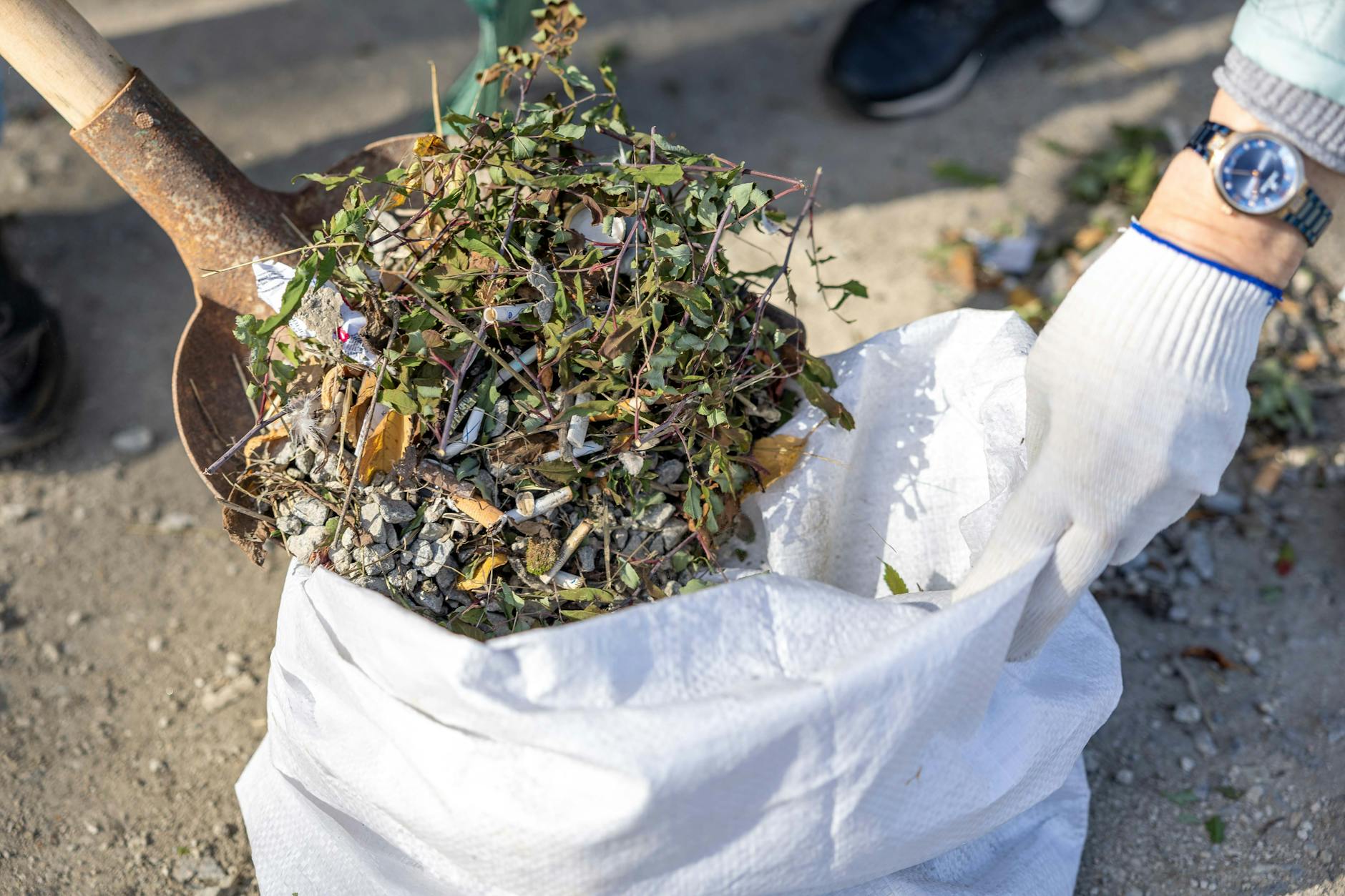
One of the first steps in spring gardening is to clear away any debris that has accumulated over the winter. Remove fallen leaves, twigs, and other organic matter from your garden beds and pathways. This cleanup not only improves the aesthetics of your garden but also promotes better air circulation and reduces the risk of pests and diseases.
Prune Perennials and Shrubs
Pruning is vital for promoting healthy growth in perennials and shrubs. Early spring is the ideal time to trim back any dead or damaged branches on your plants. For many shrubs, such as hydrangeas and butterfly bushes, this is the season to prune them back to encourage new growth. Be sure to research the specific pruning needs of your plants, as some may benefit from different techniques or timing.
Divide and Transplant Perennials
If you have perennials that have outgrown their space, now is the perfect time to divide and transplant them. Early spring, before they start to leaf out, is typically the best time for this task. Use a spade to carefully dig up the plant, making sure to keep as many roots intact as possible. Replant the divided sections in well-prepared soil, ensuring they have adequate space to thrive.
Prepare Your Soil
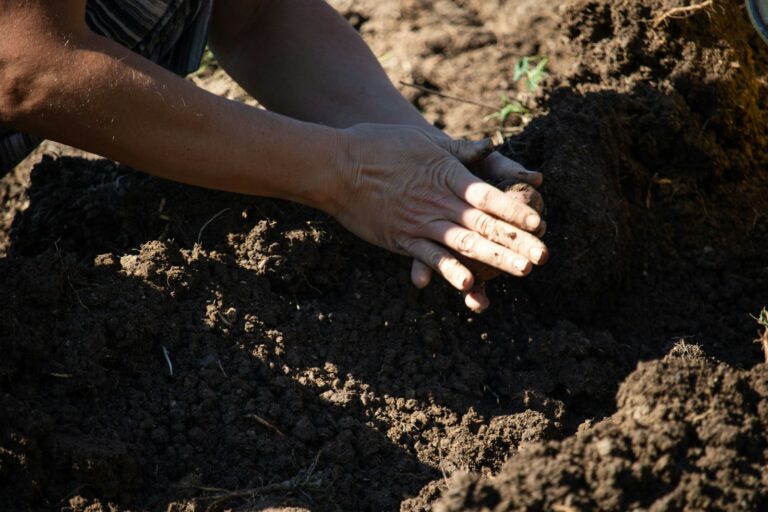
Healthy soil is the foundation of a thriving garden. Once the ground is workable, test the soil’s pH levels and nutrient content using a home testing kit. Based on the results, you may need to amend your soil with organic matter, compost, or other amendments to create the ideal growing conditions. For clay-heavy soils, consider adding gypsum or sand to improve drainage.
Additionally, consider tilling the soil to aerate it and break up any compaction. This will encourage root growth and improve water retention. Be mindful not to till too deeply, as this can disrupt the ecosystem of beneficial organisms in the soil.
Plan Your Garden Layout
Spring is the perfect time to plan your garden layout. Consider factors such as sunlight, spacing, and plant compatibility. Creating a garden plan can help you visualize how plants will grow together and ensure that taller plants do not shade out smaller ones. This is also an excellent opportunity to rotate your crops if you practice vegetable gardening, which can help prevent soil depletion and pest issues.
Start Seeds Indoors
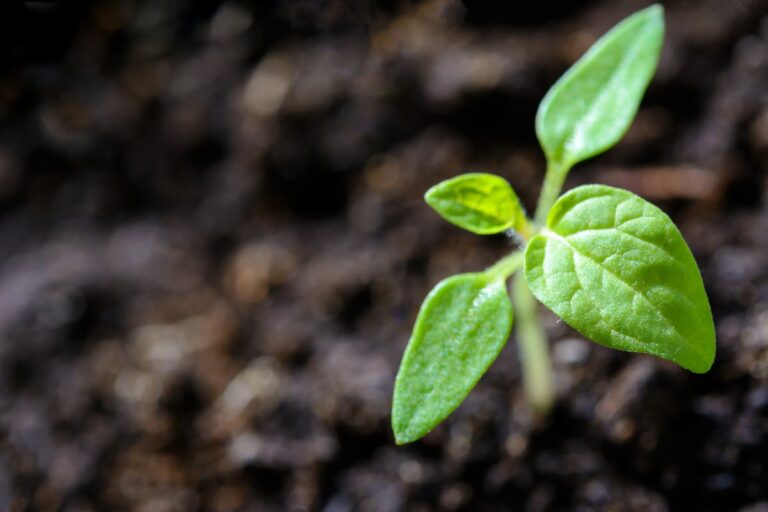
If you’re eager to get a head start on your garden, consider starting seeds indoors. This is especially beneficial for plants with longer growing seasons, such as tomatoes, peppers, and eggplants. Use seed trays or pots filled with seed-starting mix and place them in a warm, well-lit area. As the seedlings grow, be sure to thin them out to prevent overcrowding.
Check Your Tools and Equipment
Before you dive into the gardening season, take inventory of your tools and equipment. Clean, sharpen, and repair tools as necessary. Ensure that your watering system, hoses, and sprinklers are in good working order. Investing a little time in maintenance now can save you headaches later in the season.
Fertilize Wisely
As your plants begin to wake up, they will benefit from a boost of nutrients. Apply a balanced, slow-release fertilizer according to the needs of your plants. Avoid over-fertilizing, as this can lead to excessive foliage growth at the expense of flowers or fruits. If you are unsure about what type of fertilizer to use, consider organic options like compost or well-rotted manure.
Monitor Weather Conditions
Spring weather can be unpredictable, with late frosts still possible in many regions. Keep an eye on the forecast and be prepared to protect tender plants from unexpected cold snaps. You can cover sensitive plants with row covers or cloths to shield them from frost. Additionally, be mindful of watering needs, as spring rain can vary greatly from year to year.
Educate Yourself Continually
Gardening is a journey of continuous learning, and early spring is an excellent time to expand your knowledge. Attend local gardening workshops, join community gardening groups, or read up on new techniques and plants. The more informed you are, the more successful your gardening endeavors will be.
By following these essential early spring gardening tasks, you’ll set yourself up for a productive and vibrant gardening season. Embrace the beauty of spring as your garden awakens, and enjoy the fruits of your labor as the season unfolds. Happy gardening!