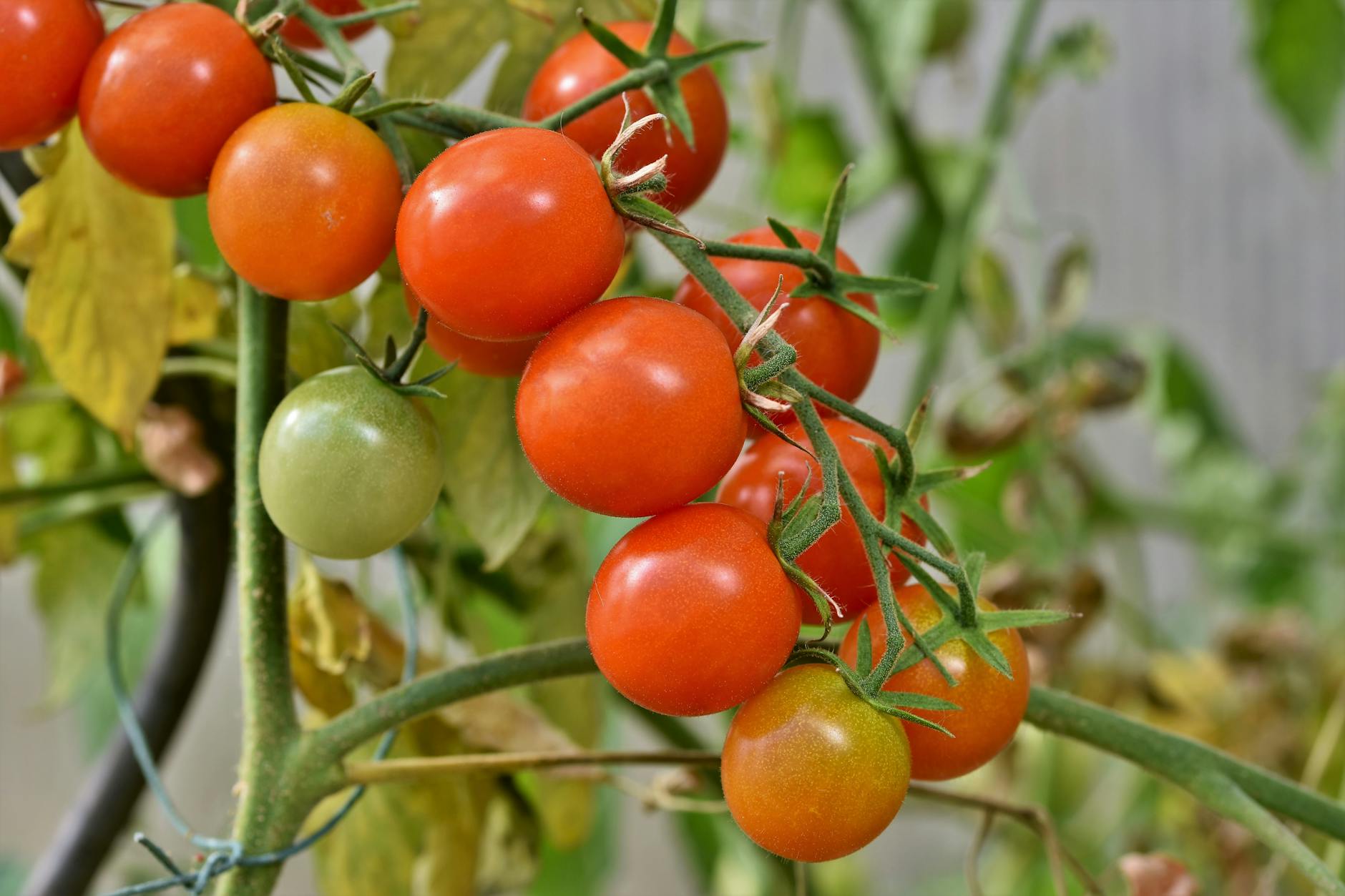
Revive Your Broken Tomato Plants: A Step-by-Step Guide to Rescue and Regrow

If you’ve ever faced the heartbreak of a broken tomato plant, you’re not alone. These resilient plants are beloved by gardeners, but accidents can happen—whether it’s a strong wind, an inquisitive pet, or even just a careless bump. Thankfully, with a little know-how, you can often save your broken tomato plant and restore it to its former glory. Here’s a comprehensive guide on how to do just that, ensuring you never have to toss a struggling tomato plant again.
Understanding the Damage
Before you rush to repair your broken tomato plant, it’s crucial to assess the damage. Is the stem cracked or completely severed? Are there still leaves attached, or has the breakage left the plant shorn of foliage? Understanding the extent of the damage will dictate your next steps.
1. Minor Cracks
If your tomato plant has a minor crack in the stem but is still mostly intact, you’re in luck! Minor cracks can often heal with some gentle support.
2. Complete Breaks
For a plant that has broken off completely, the chances of survival depend largely on the break’s location and the time of year. If it’s early in the growing season, you might have a better shot at reviving it than if it’s late and the plant is already stressed.
Gathering Your Supplies
To successfully repair a broken tomato plant, you’ll need a few essential supplies:
Clean scissors or pruning shears
Twine, plant ties, or soft cloth strips
A stake or small support structure (like a tomato cage)
Rooting hormone (optional, but can help with replanting broken stems)
Step-by-Step Repair Process
1. Clean the Wound
If the plant is cracked, gently clean the area around the crack with a soft cloth to remove any dirt. This helps prevent infection and encourages healing.
2. Stabilize the Plant
For minor cracks, gently bring the cracked edges together and secure them using twine or a soft cloth. Avoid wrapping too tightly, as this can restrict growth.
3. Create Support
Insert a stake or support structure into the soil next to the plant. If the plant is leaning or at risk of falling over, secure it to the stake with twine, making sure it’s upright.
4. Replanting Severed Stems (if applicable)
If the stem is completely severed and you’re hoping to replant it, here’s how:
Trim the end of the broken stem to create a clean cut.
If you have rooting hormone, dip the end of the stem into it to promote root growth.
Prepare a small pot with well-draining potting mix.
Insert the stem into the soil, ensuring it’s deep enough to stand upright on its own.
Water gently and place the pot in a warm, bright location but out of direct sunlight until new roots develop.
5. Provide Care
After you’ve taken the necessary repair steps, it’s crucial to give your tomato plant some extra care:
Watering: Ensure the soil is consistently moist but not soggy. Too much water can lead to rot, while too little can stress the plant.
Sunlight: If your plant was previously in a sunny location, gradually reintroduce it to sunlight to avoid shock.
Fertilization: After a week or so, you can apply a diluted liquid fertilizer to provide a nutrient boost, helping the plant recover.
Common Mistakes to Avoid
While repairing a broken tomato plant can be straightforward, there are several common pitfalls to steer clear of:
Overwatering: It can be tempting to water frequently to help your plant recover, but this can lead to root rot. Aim for a balanced approach.
Neglecting Light: While your plant is recovering, be cautious about light exposure. Too much direct sunlight can cause further stress.
Inadequate Support: If the plant is still weak, make sure it has adequate support. A flimsy stake or inadequate ties can lead to further damage.
When to Let Go
While many broken tomato plants can be saved, sometimes it’s best to recognize when a plant is beyond rescue. If the plant has extensive rotting, disease, or has suffered significant damage late in the season, it may be time to let go and focus your energy on healthier plants.
Preventive Measures for the Future
Once you’ve successfully repaired your broken tomato plant, consider implementing some preventive measures for the future:
Staking Early: Support your tomato plants early in the season to prevent them from becoming top-heavy and breaking.
Wind Protection: If you live in a windy area, consider placing windbreaks or using row covers to shield your plants.
Education: Familiarize yourself with common tomato plant pests and diseases, ensuring you can catch issues early before they lead to damage.
In conclusion, a broken tomato plant doesn’t have to mean the end of your gardening dreams. With a careful assessment, proper support, and a little patience, you can often revive your plants and continue to enjoy a bountiful harvest. So next time you encounter a mishap in the garden, remember that many tomato plants have a remarkable ability to bounce back. Happy gardening!