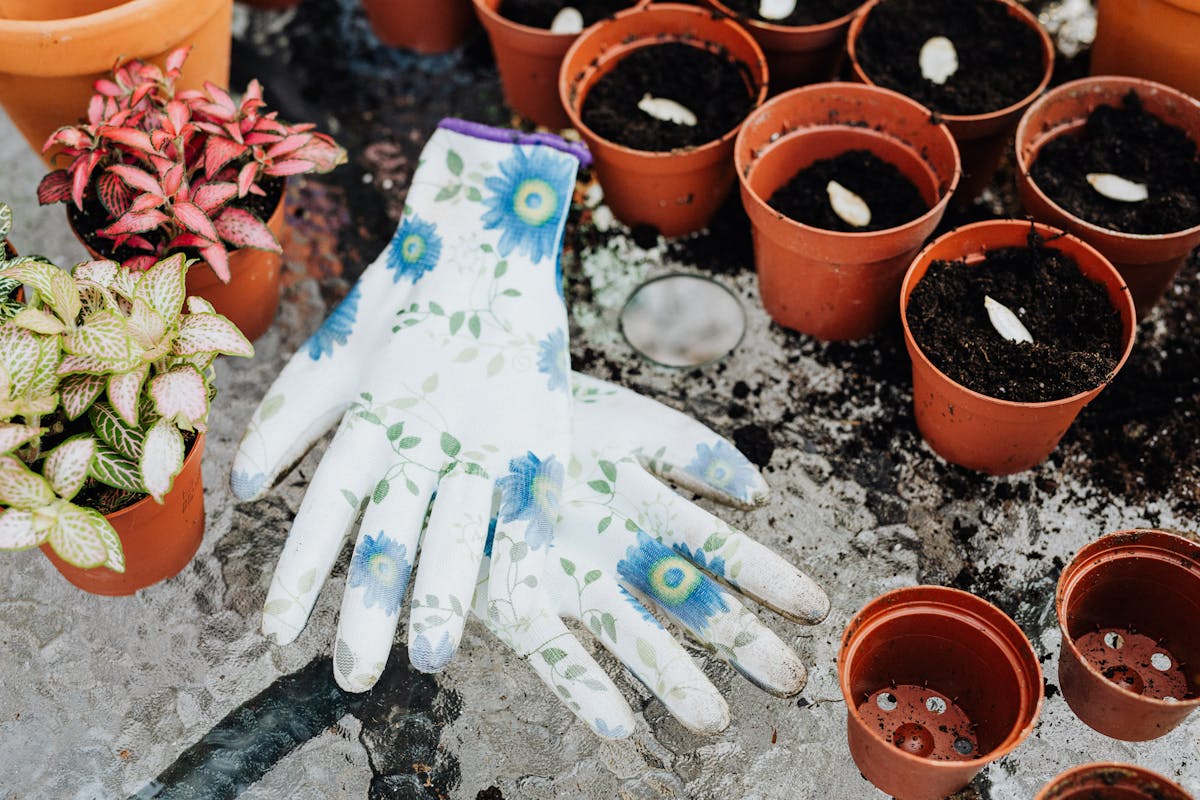
Revive Your Garden: A Step-by-Step Guide to Safely Reusing Potting Soil
As a gardener, you may find yourself with leftover potting soil after repotting plants or ending a gardening season. Instead of tossing that soil, you might wonder if you can reuse it. The good news is that with the right practices, you can safely repurpose potting soil without the risk of spreading diseases among your plants. Here’s how to do it effectively.
Understanding the Risks
Before diving into the reuse process, it’s essential to understand the potential risks associated with reusing potting soil. Over time, soil can become home to pathogens, pests, and diseases. These can remain dormant in the soil, waiting for new plants to provide them with a host. Common issues include root rot, fungal diseases, and nematodes, which can devastate your new plants if not managed properly.
Assessing Soil Condition
The first step to reusing potting soil safely is to assess its condition. Look for signs of problems such as:
Foul odors: A sour smell can indicate anaerobic bacteria or rot.
Clumps or compaction: Soil that has become overly compacted may not drain well.
Visible pests: Small insects or larvae can indicate an infestation.
Mold or fungus: Fuzzy growths on the surface can signal a fungal problem.
If you notice any of these issues, it might be best to discard the soil. However, if the soil appears healthy, you can proceed with the following steps.
Sterilization Methods
One of the most effective ways to eliminate pathogens and pests is to sterilize the soil. Here are some methods you can use:
1. Oven Method:
Preheat your oven to 180°F (82°C).
Spread the soil in a thin layer (about 2-3 inches) on a baking sheet.
Bake the soil for about 30 minutes, stirring occasionally.
Let the soil cool before using it. This method effectively kills harmful organisms without altering the soil’s structure.
2. Solarization:
This method uses the sun’s heat to kill pests and pathogens.
Moisten the soil and place it in a clear plastic bag or cover it with clear plastic sheeting in a sunny location.
Leave it for 4-6 weeks, allowing the heat to build up inside the plastic.
This method is eco-friendly but requires warm weather and time.
3. Microwave Method:
Place a small batch of moist soil in a microwave-safe container.
Heat it for about 90 seconds to 2 minutes, depending on the amount (ensure it reaches 180°F).
Allow it to cool before using. This method is quick but can be impractical for larger quantities.
Mixing and Enhancing Soil
Once your soil is sterilized and cooled, it’s essential to enhance its quality before reuse. Over time, potting soil can lose nutrients, so consider mixing in fresh compost or organic matter. This not only replenishes nutrients but also improves soil structure and drainage.
A common mix is one part sterilized potting soil, one part compost, and one part perlite or vermiculite. This combination provides a balanced medium that retains moisture while ensuring good aeration for root development.
When to Reuse Potting Soil
Timing is crucial when reusing potting soil. Ideally, you want to reuse it during the growing season when plants are actively growing. For most North American gardeners, this is typically from late spring to early summer, after the last frost date in your area. Avoid reusing soil for plants that are particularly susceptible to disease, such as tomatoes or peppers, unless you are confident it’s disease-free.
Avoiding Common Mistakes
1. Skipping Sterilization: Many gardeners take the shortcut of reusing soil without sterilizing it, which can lead to disease outbreaks. Always take the time to sterilize.
2. Ignoring Drainage: If your soil is too compacted, it can lead to poor drainage and root rot. Mixing in perlite or sand can help improve drainage.
3. Using Old Soil for New Plants: Be cautious about reusing soil for sensitive plants. If you’re introducing a high-value crop, consider using fresh potting soil to minimize risks.
4. Not Testing pH: Over time, soil pH can shift. Testing the pH before reuse will help ensure it’s suitable for the plants you intend to grow.
5. Improper Storage: If you’re storing leftover potting soil, keep it in a dry, cool place, sealed in a container to prevent contamination from pests and pathogens.
Final Thoughts
Reusing potting soil can be a sustainable and cost-effective practice, but it requires care and attention to detail. By assessing the condition of the soil, sterilizing it properly, and enhancing it with fresh nutrients, you can give your plants a healthy start in their new homes. Remember to always monitor your plants for any signs of distress, and adjust your practices as needed. Happy gardening!