Revive Your Houseplants: 3 Essential Changes to Prevent Yellow Leaves and Scorching
If you’ve noticed your houseplants taking on an unhealthy yellow hue or developing scorched, crispy leaves, it’s a sign that they may be struggling. While houseplants can bring a vibrant touch to your home, they require specific care to thrive. Fortunately, a few adjustments can set your plants back on the path to health. Here are three essential changes you can make today to nurture your indoor greenery.
1. Adjust Watering Practices
One of the most common reasons for yellowing leaves is improper watering. Both overwatering and underwatering can stress plants and lead to leaf discoloration. Here’s how to find the right balance:
Check Soil Moisture: Before watering, check the top inch of soil. If it feels dry, it’s time to water. If it’s still moist, wait a few more days. A moisture meter can also help you gauge the condition of the soil accurately.
Watering Technique: When you water, do so thoroughly until you see water draining from the bottom of the pot. This ensures that the roots are getting enough moisture. However, make sure your pots have drainage holes to prevent water from sitting at the bottom, which can lead to root rot.
Frequency: The frequency of watering will depend on the plant species, the size of the pot, and the environmental conditions. Generally, most houseplants need watering every 1-2 weeks, but it’s essential to adapt based on your specific plant and the season. In warmer months, plants may require more frequent watering, while in winter, when growth slows, they may need less.
2. Optimize Lighting Conditions
Lighting can make or break the health of your houseplants. Insufficient or excessive light can both cause yellowing leaves and scorch marks. Here’s what to consider:
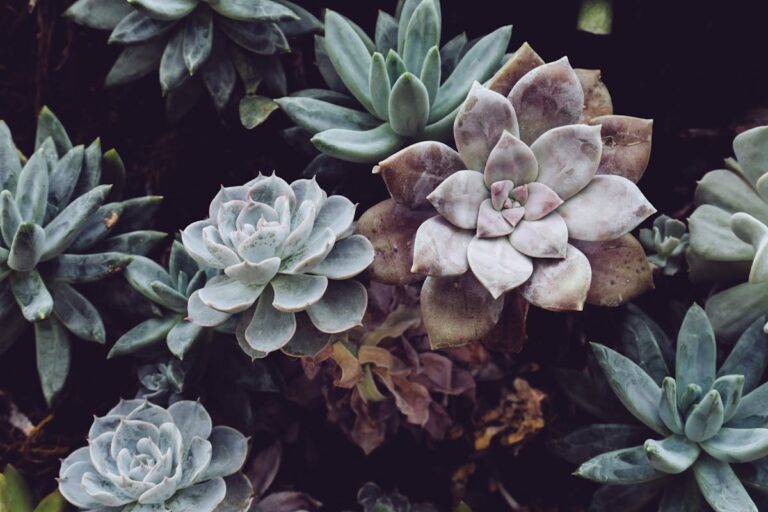
Identify Light Needs: Different plants have varying light requirements. For example, succulents and cacti prefer bright, direct sunlight, while ferns and snake plants thrive in low light. Research the specific needs of your plants to ensure they’re positioned correctly in your home.
Monitor Sun Exposure: If your plant is getting too much direct sunlight, especially during the intense afternoon rays, it may develop scorched leaves. If you notice brown edges or spots on the leaves, consider moving the plant to a spot with filtered light or partial shade.
Use Grow Lights: If natural light is limited, especially during winter months, consider using grow lights to provide adequate lighting for your plants. LED grow lights are energy-efficient and can simulate the full spectrum of sunlight, promoting healthy growth.
3. Maintain Humidity Levels
Many houseplants, particularly tropical varieties, thrive in humid conditions. Dry indoor air, especially during winter when heating is in use, can lead to leaf scorch and yellowing. Here’s how to increase humidity around your plants:
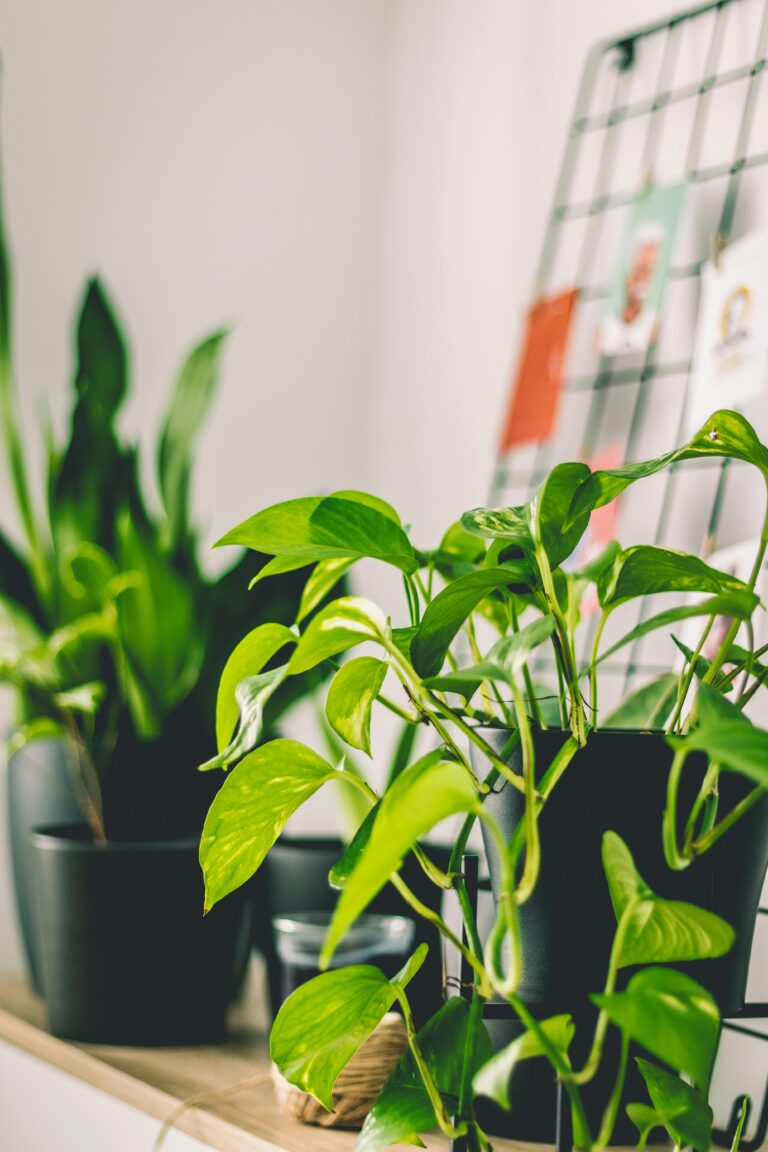
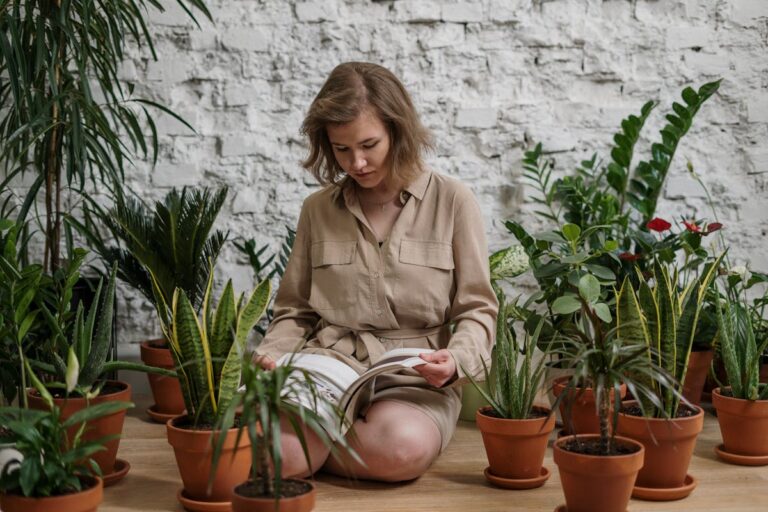
Group Plants Together: Placing plants close to one another can create a microclimate with higher humidity levels. As plants release moisture through transpiration, the surrounding air becomes more humid, benefiting all nearby plants.
Use Humidity Trays: Fill a shallow tray with pebbles and water, and place your plant pots on top. As the water evaporates, it increases humidity around the plants. Just ensure that the pots aren’t sitting directly in the water, as this can lead to overwatering.
Misting: Lightly misting your plants can help increase humidity, but be cautious not to overdo it. Excess moisture on leaves can create an environment for fungal diseases. Misting is best done in the morning to allow leaves to dry throughout the day.
Common Mistakes to Avoid
To ensure your houseplants thrive, be mindful of these common pitfalls:
Ignoring Plant Symptoms: Pay close attention to your plants. Yellowing leaves can indicate several issues, including nutrient deficiencies, pest infestations, or environmental changes. Assess conditions regularly and make necessary adjustments.
Using the Wrong Soil: Different plants thrive in different soil types. For example, succulents need well-draining soil, while tropical plants prefer a more moisture-retentive blend. Using the right potting mix can help prevent overwatering and promote healthy root growth.
Neglecting Fertilization: While houseplants can survive for a while without fertilizer, regular feeding during the growing season (spring and summer) is crucial for their health. Use a balanced, water-soluble fertilizer to provide essential nutrients, but be careful not to over-fertilize, which can lead to leaf burn.
By making these three essential changes—adjusting your watering practices, optimizing lighting conditions, and maintaining humidity levels—you can help your houseplants recover from yellowing leaves and scorching. Remember, each plant is unique, so take the time to understand their specific needs and you’ll be rewarded with thriving indoor greenery. Happy gardening!