Rising Soil Costs: How Gardeners Are Adjusting Their Planting Strategies
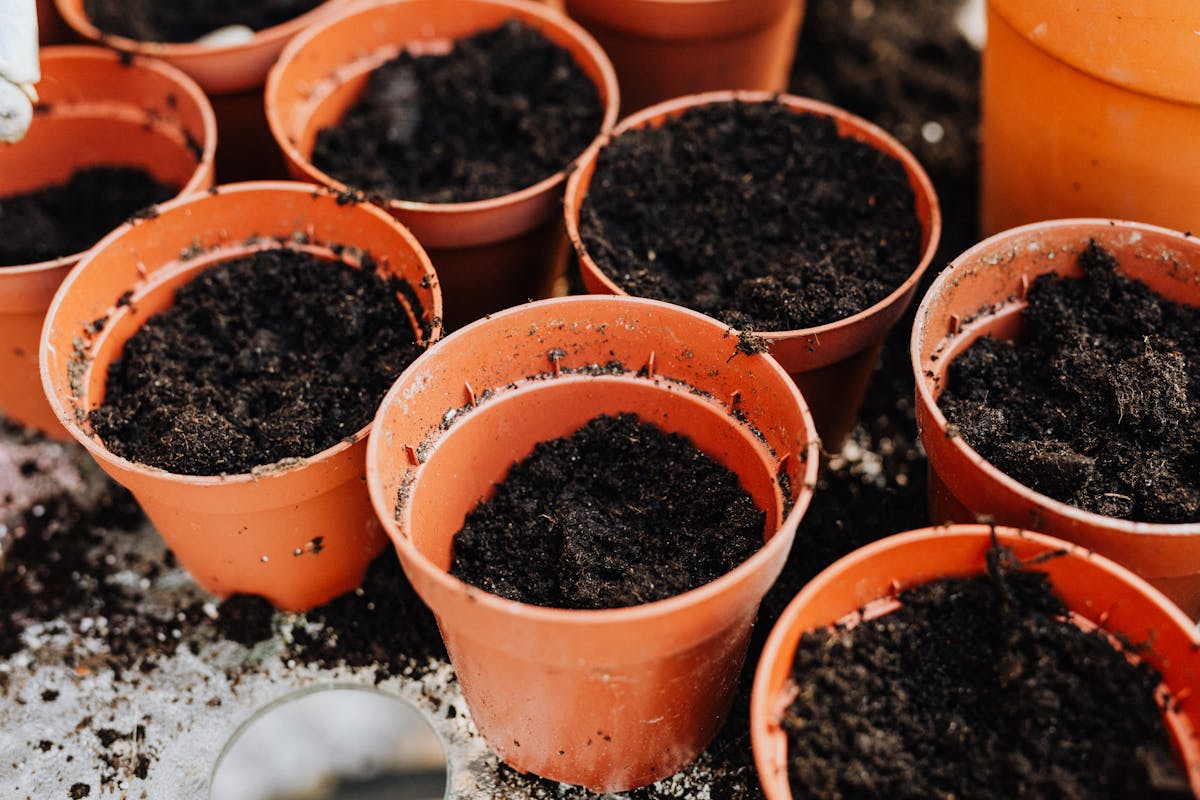
As gardeners across North America step into their backyards this season, many are noticing a shift not just in the weather, but in their gardening budgets, particularly when it comes to soil. Reports indicate that soil prices have escalated this year, prompting home gardeners to rethink their planting choices and strategies. This change has implications not only for individual gardens but for local gardening trends as a whole. Let’s explore how rising soil costs are reshaping what we grow and how we garden.
Understanding the Price Surge
The increase in soil prices can be attributed to a combination of factors, including supply chain disruptions, increased demand for organic gardening materials, and inflation affecting transportation and production costs. For many gardeners, high-quality soil is essential for healthy plants, making this price hike particularly challenging. Whether you’re a seasoned green thumb or a beginner, the financial aspect of gardening can play a significant role in what you choose to plant.
Adapting to New Economic Realities
With soil becoming more expensive, many gardeners are forced to reassess their planting priorities. Here are some strategies that can help you adapt to the changing landscape of gardening:
1. Prioritize Your Garden Goals: Before purchasing soil, consider what you want from your garden this season. Are you aiming to grow vegetables, flowers, or a mix of both? Understanding your goals can help you allocate your resources more effectively. For instance, if you have limited funds, focusing on high-yield vegetables may provide better returns compared to ornamental plants.
2. Consider Alternatives: While high-quality commercial soil can be pricey, there are alternatives worth exploring. You might try making your own compost or mixing your existing soil with organic matter, such as leaf mold or well-rotted manure. This not only reduces costs but can also improve soil health over time.
3. Embrace Perennials: If you’re looking to minimize soil expenses, consider incorporating more perennial plants into your garden. Unlike annuals, which require fresh soil and nutrients each year, perennials return season after season, potentially reducing your need for new soil. Plus, they often require less maintenance once established.
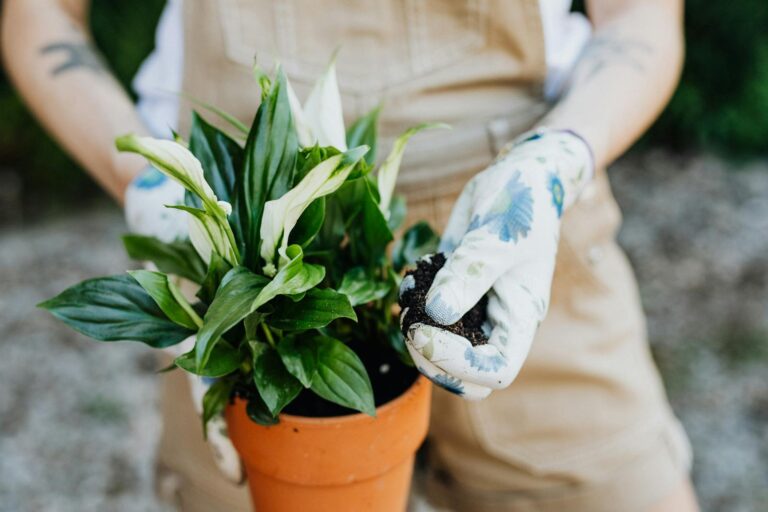
4. Explore Container Gardening: For those with limited space or budgets, container gardening offers a flexible solution. You can fill pots with less soil, and it allows you to control your soil mix more easily. Moreover, using recycled containers can cut costs, making it a budget-friendly option.
5. Join Community Gardens: If soil costs are a significant barrier, consider joining a community garden. Many community gardens offer shared resources, including soil and compost, at a fraction of the cost compared to gardening at home. This also provides an excellent opportunity to learn from fellow gardeners.
Choosing What to Grow
With the economic landscape shifting, many gardeners are adapting their planting choices based on both the cost of soil and the potential yield of various crops. Here are some popular options that are gaining traction this year:
1. Fast-Growing Vegetables: If you’re working with a limited amount of soil, consider planting fast-growing crops like radishes, lettuce, and spinach. These plants can be sown in succession, allowing for multiple harvests throughout the growing season and maximizing your investment in soil.
2. Heirloom Varieties: Some gardeners are opting for heirloom varieties, which can often be more resilient and flavorful than their commercial counterparts. By selecting seeds that are well-suited to your local climate and soil conditions, you can increase your chances of success without relying heavily on high-quality soil.
3. Native Plants: Incorporating native plants into your garden is another way to cut costs. Native species are adapted to local conditions and typically require less maintenance, which can reduce the need for expensive soil amendments. Plus, they support local wildlife and biodiversity.
Maximizing Soil Efficiency
Regardless of what you choose to grow, maximizing the efficiency of your soil will be crucial this year. Here are some tips to ensure you get the most out of your investment:
1. Soil Testing: Before planting, conduct a soil test to understand its nutrient content and pH levels. This can help you determine what amendments are necessary and avoid overspending on products you may not need.
2. Mulching: Implementing a layer of mulch can help retain moisture, suppress weeds, and improve soil quality as it breaks down. Organic mulches, such as wood chips or straw, can also add nutrients back into the soil over time.
3. Crop Rotation: Rotating your crops each year can prevent soil depletion and reduce the risk of pests and diseases. This practice not only maintains soil health but can also help in managing costs associated with soil amendments.
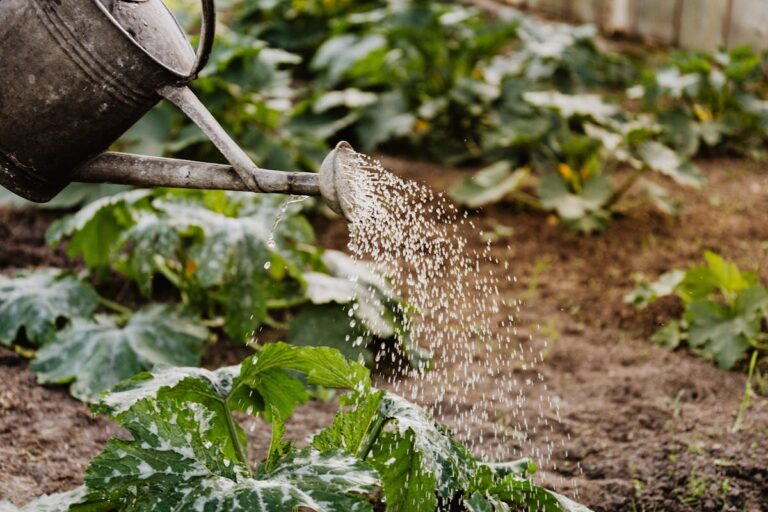
4. Water Management: Efficient watering practices can help your soil maintain its structure and nutrient content. Consider drip irrigation or soaker hoses to deliver water directly to the roots, minimizing waste and ensuring your plants thrive.
Final Thoughts
As soil prices continue to rise, adapting your gardening practices can help you remain productive while staying within budget. By prioritizing your goals, exploring alternatives, and choosing the right plants, you can cultivate a thriving garden that reflects your personal style and meets your needs. Remember, gardening is not just about the cost of materials; it’s about the joy of growing and connecting with nature. Embrace the changes, and let your garden flourish!