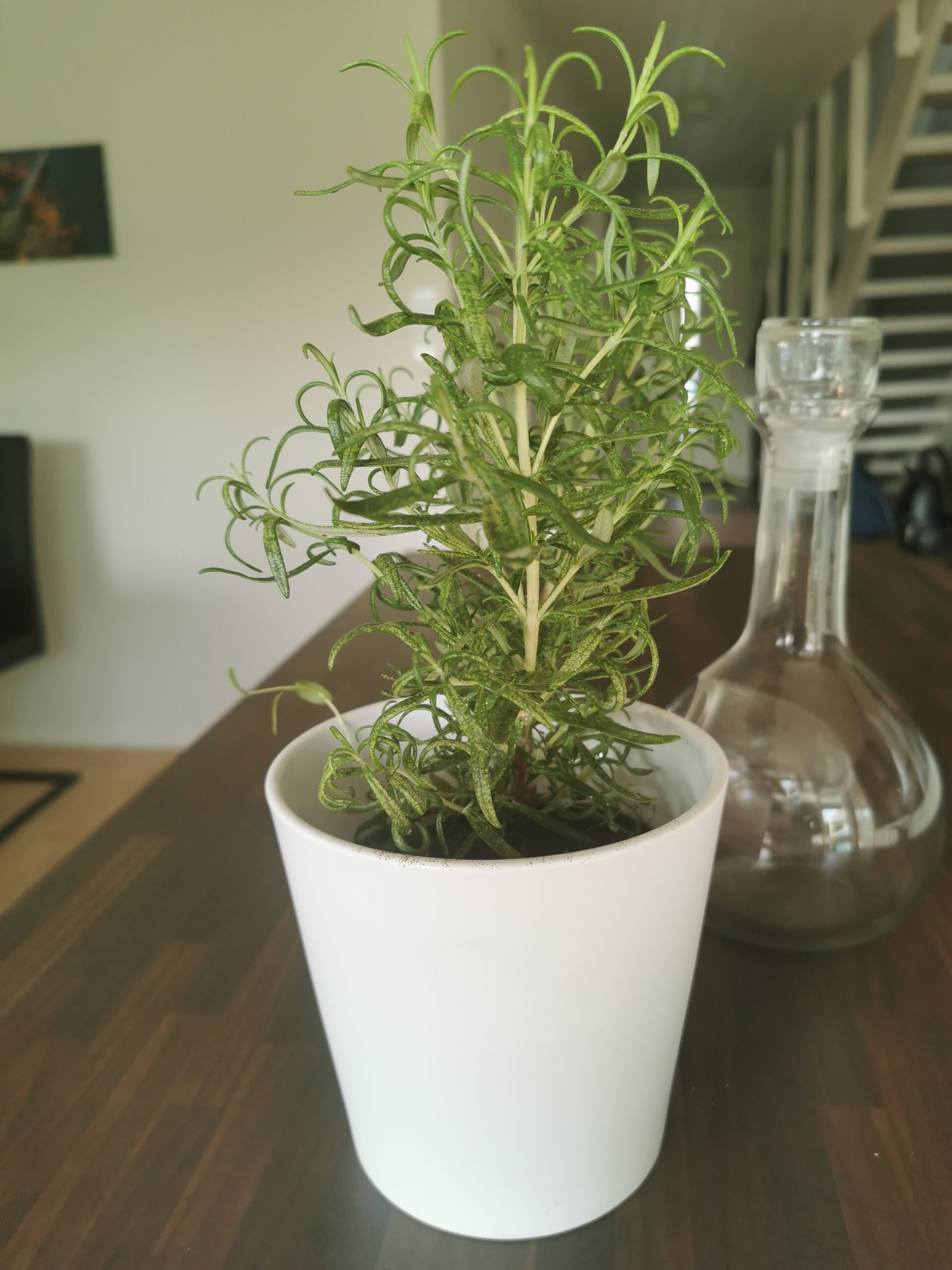
Rosemary Can Live Up to 30 Years When It’s Sheltered, but in Zone 7 and Colder It Needs to Come Indoors Before Winter
Well-maintained rosemary plants can live for up to 30 years if they are sheltered from cold winter weather, according to Better Homes & Gardens, in an article by Lauren Landers that was syndicated on AOL. The same article says rosemary survives winter outdoors in USDA Zones 8 to 11 with protection, and that gardeners in Zone 7 and colder should plan to bring plants or cuttings inside.
That split between a decades-long shrub and a winter casualty comes down to a few facts about cold tolerance, drainage and light. University extension pages in Pennsylvania, Maryland and South Carolina fill in the details.
Which Hardiness Zones Can Leave Rosemary Outside?
The USDA Plant Hardiness Zone Map is the usual starting point. According to the USDA Agricultural Research Service, the map is based on the average annual extreme minimum winter temperature and divides the country into 10-degree F zones with 5-degree half zones. The 2023 edition updated the 2012 map.
Better Homes & Gardens puts the outdoor range for rosemary at Zones 8 to 11. Penn State Extension is a little narrower, calling rosemary a tender perennial that is hardy in Zones 8 to 10. Penn State says where rosemary is not hardy it is grown as an annual or in pots.
The University of Maryland Extension frames hardiness in temperature rather than zone numbers, describing rosemary as hardy where winter temperatures stay above 5°F. In the Northeast, the extension says, it should be moved indoors or to a protected spot and kept as a container plant.
Lifespan is a different matter. The Penn State and Maryland pages describe hardiness and care but do not give a number of years, so the 30-year figure rests on the Better Homes & Gardens article. What the pages do agree on is that rosemary is a woody evergreen herb that is only reliably perennial in mild winters, so a long life depends on getting through the cold months.
Do Cold-Hardy Cultivars Change the Zone 7 Rule?
They can, with some effort. Better Homes & Gardens notes that a few cold-hardy cultivars, such as ‘Arp’, can get through Zones 6 and 7 with winter protection. Penn State Extension names four that are hardier, to Zone 7 or 6b with protection: ‘Arp’, ‘Athens Blue Spire’, ‘Madalene Hill’ and ‘Miss Jessop’s Upright’.
The Clemson Home and Garden Information Center points the same direction for South Carolina’s Upstate, recommending reliably hardy types such as ‘Arp’ or ‘Hill Hardy’ and noting that prostrate, low-growing cultivars are less cold hardy.
Protection starts with a mulch layer. Better Homes & Gardens recommends a 3- to 6-inch layer of natural mulch, such as wood chips or weed-free straw, around the base before frost to insulate the roots and keep the soil from freezing. For small plants, it suggests trimming to about 6 inches above ground after the first light autumn frost and piling 4 to 6 inches of leaves, straw or similar mulch over them.
Penn State Extension gives one caution for container plants and borderline sites: use pea gravel or sandy mulch rather than organic mulch, which holds moisture. Drainage is the common thread. Clemson says rosemary grows best in “dry, sunny areas in well-drained soil,” and Penn State lists a soil pH of 6.5 to 7.0 and light, well-drained soil.
How Does Rosemary Get Through Winter Indoors?
For gardeners in Zone 7 and colder, the sources describe a pot as the practical answer. A plant that spends summer in the ground or outdoors in a container can be lifted or moved inside ahead of the first frost and returned in spring.
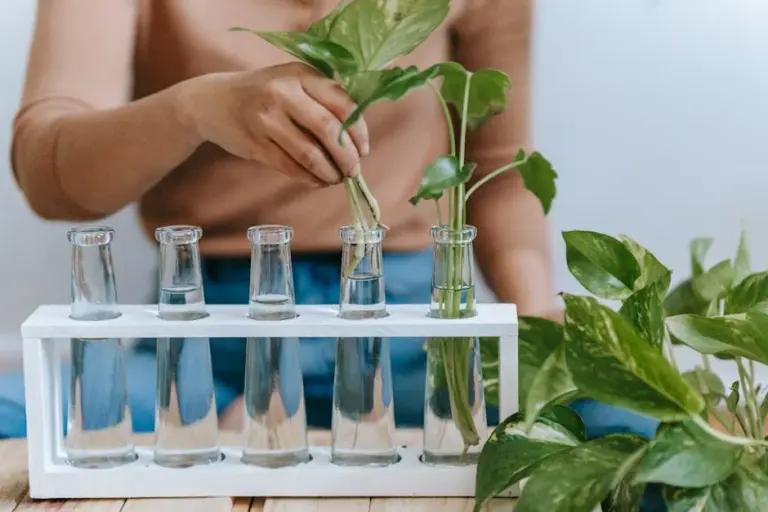
Timing comes first. Penn State Extension says to move pots indoors 2 to 3 weeks before the first fall frost date where rosemary is not hardy. Better Homes & Gardens describes two routes: digging up whole plants before the first frost and potting them in fresh soil, or taking stem cuttings of 4 to 6 inches and rooting them. Penn State gives a rooting recipe for a 6-inch tip, 70 to 75°F bottom heat, with roots forming in 10 to 20 days.
Light is the hard part. Better Homes & Gardens recommends a bright window with 6 to 8 hours of indirect light. Penn State Extension specifies a south-facing window in full sun or supplemental lighting. The University of Maryland Extension asks for a south- or west-facing window with at least 5 hours of sun a day, plus grow lights or fluorescent lights set to 14 to 16 hours a day when winter light runs short.
Water is where indoor rosemary most often fails. Penn State says overwintering can be difficult because of low light and incorrect watering, and warns that “overwatering causes root rot, which can be deadly outdoors and especially in pots overwintered indoors.” Browning tips signal root rot, according to the extension. Clay pots help the soil dry quickly, and good air circulation helps.
Maryland Extension advises watering regularly and thoroughly with room-temperature water but less often in cooler weather, and keeping plants away from drafts, dry heat vents and temperature extremes. Better Homes & Gardens suggests watering only when the soil is dry and raising humidity with a humidifier or pebble tray. Penn State says to move plants back outdoors in spring after the danger of frost has passed.
Container herbs that return year after year tend to share those traits, a pattern gardeners describe in this site’s thread on container plants that refused to die.
Get stories like this by email. Sign up for The Parent Diaries Letter.
This article was produced with AI assistance and edited for accuracy against the sources linked above.
Image: Netha Hussain – CC BY-SA 4.0/Wikimedia Commons