Say Goodbye to Houseplant Flies and Gnats with This Simple Daily Routine
Houseplants are a wonderful addition to any home, but they can sometimes attract unwanted pests, particularly pesky flies and gnats. If you’ve noticed small flying insects hovering around your indoor plants, you’re not alone. Fortunately, there’s a simple daily task that can help keep your plants healthy and your living space free from these nuisances. In this article, we’ll explore effective strategies to rid your houseplants of flies and gnats with just a few seconds of effort each day.
Understanding the Problem
Flies and gnats are commonly attracted to houseplants, particularly those that are overwatered or have decaying organic matter in the soil. Fungus gnats, for instance, thrive in moist environments and are often a sign that you may be watering your plants too frequently. Adult gnats lay their eggs in the top layer of soil, and the larvae feed on the organic matter, which can harm plant roots and lead to poor plant health.
Before diving into solutions, it’s essential to identify the type of pest you’re dealing with. While the approach may vary slightly, the treatment methods often overlap for both flies and gnats.
Daily Inspection: The First Line of Defense
One of the simplest and most effective ways to keep flies and gnats at bay is to incorporate a daily inspection of your houseplants into your routine. This task only takes a few seconds and can help you catch any potential problems before they escalate.
1. Visual Check: Each day, take a moment to inspect the leaves, stems, and soil surface of your plants. Look for signs of pests, such as tiny flying insects or webbing. If you notice any, take action immediately to prevent the infestation from spreading.
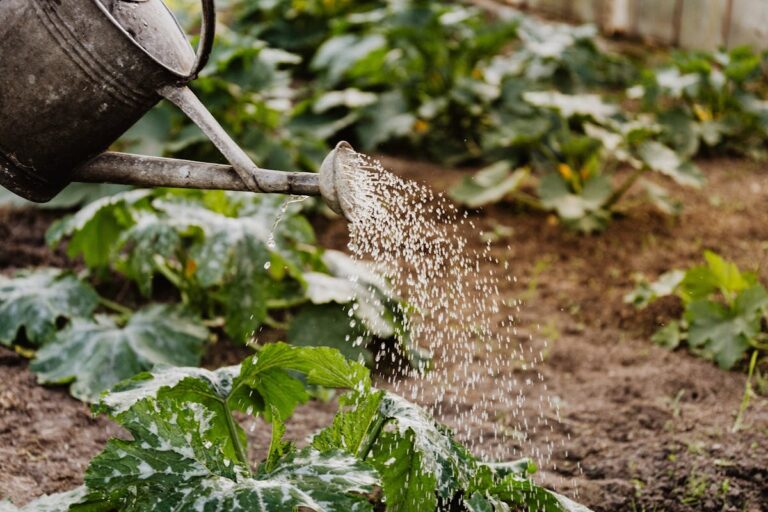
2. Soil Moisture Check: Stick your finger about an inch into the soil to check for moisture. If it feels damp, it may be a sign that you are overwatering. Allow the soil to dry out slightly between watering to disrupt the life cycle of gnats and flies.
3. Remove Debris: During your inspection, remove any dead leaves or organic matter that may be lying on the soil surface. This debris can attract pests and provide a breeding ground for them.
Combatting Flies and Gnats: Effective Strategies
If you find that you already have a gnat or fly problem, don’t worry! There are several effective strategies to help eliminate these pests:
1. Let the Soil Dry: As mentioned earlier, allowing the top inch of soil to dry out between waterings can significantly reduce gnat populations. Adult gnats prefer moist soil for laying their eggs, so drying out the soil disrupts their life cycle.
2. Sticky Traps: Consider placing yellow sticky traps near your plants. These traps attract flying insects and can help catch adult gnats and flies, reducing their population. They are an affordable and non-toxic solution.
3. Natural Solutions: You can create a homemade gnat trap by mixing apple cider vinegar with a few drops of dish soap in a bowl. The vinegar attracts the gnats, and the soap reduces the surface tension, causing them to drown. Place this trap near your infested plants for effective results.
4. Diatomaceous Earth: Sprinkling food-grade diatomaceous earth on the soil surface can be an effective deterrent for gnats. This natural powder works by dehydrating and killing the larvae when they come into contact with it. Just be sure to reapply after watering, as it can wash away.
5. Neem Oil: Neem oil is a natural pesticide that can be diluted with water and sprayed on affected plants. It disrupts the feeding and reproductive cycles of pests, helping to control their population. Always test a small area of your plant first, and ensure proper ventilation when using neem oil indoors.
6. Hydrogen Peroxide Solution: A diluted hydrogen peroxide solution (one part hydrogen peroxide to four parts water) can be used to water your plants. This solution kills any larvae in the soil while being safe for the plants. However, do this sparingly and monitor your plants for any signs of stress.
Maintaining a Healthy Environment
In addition to daily inspections and pest control, maintaining a healthy environment for your houseplants can help prevent future infestations. Here are some tips to keep your plants thriving:
1. Proper Watering: Ensure that you know the specific watering needs of each plant type. Some plants prefer soil that dries out completely between waterings, while others thrive in consistently moist conditions.
2. Good Drainage: Make sure your pots have adequate drainage holes to allow excess water to escape. This prevents the soil from becoming waterlogged, which is a breeding ground for pests.
3. Humidity Control: While many houseplants enjoy higher humidity levels, too much moisture can attract pests. Consider using a dehumidifier in particularly humid areas of your home or grouping plants in a way that allows for air circulation.
4. Rotate Plants: Occasionally rotating your plants can help them grow evenly and reduce the chances of pests establishing a stronghold in one area.
By incorporating a simple daily inspection into your routine and following these effective strategies, you can keep your houseplants free from flies and gnats without dedicating extensive time or resources. Remember, a little attention goes a long way in maintaining the health of your indoor garden, and soon, you’ll be enjoying your pest-free plants in peace.