She Built a Peaceful Backyard Garden for Her Cats, Then Her Neighbor’s Loose Dogs Turned It Into a Daily Battleground
A person shared his story about spending years trying to enjoy a peaceful home and garden while dealing with an increasingly difficult neighbor next door. What started as an awkward rejection eventually turned into a long-running feud involving late-night outbursts, objects thrown toward the house, and repeated visits from the neighbor’s loose dogs. The garden, which should have been the calmest part of the property, somehow became the place where everything kept colliding.
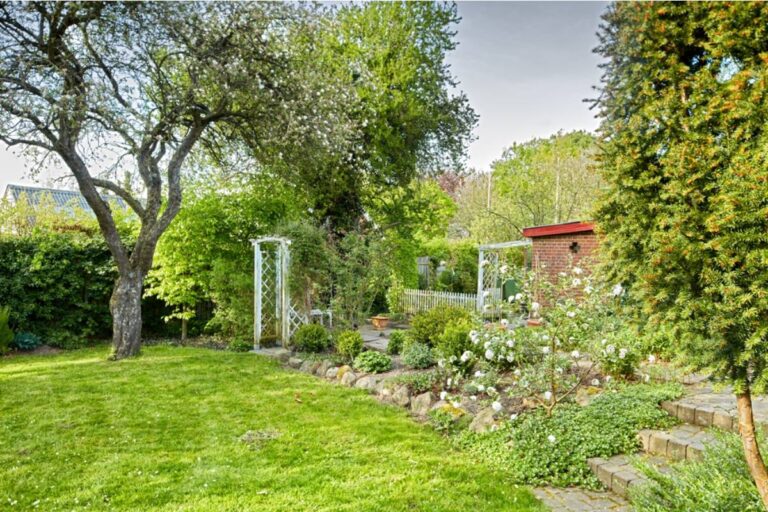
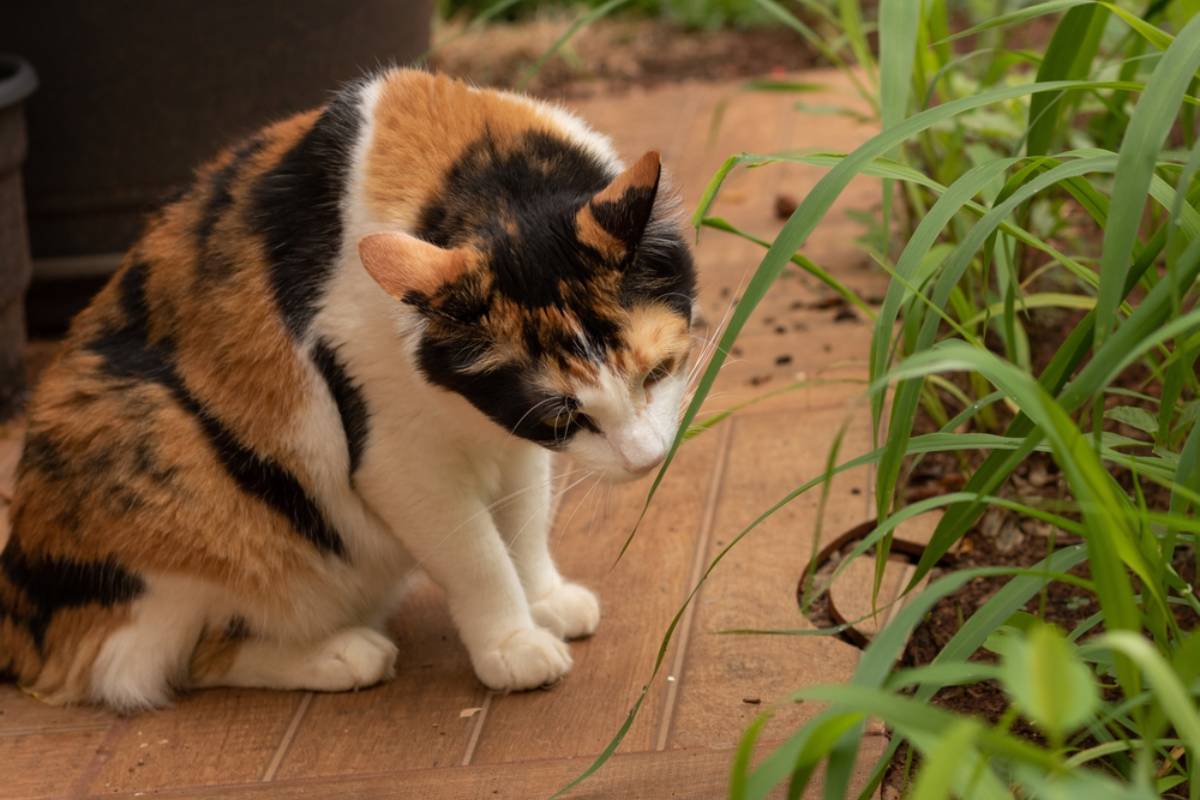
The homeowner had built a backyard setup where his cats could safely enjoy fresh air without roaming the neighborhood. At the centre of it was a catio, surrounded by planters and the little details that make a garden feel lived in. It was designed to keep the cats safe from the outside world, but one problem was coming from outside anyway.
It Started With a Rejection That Would Not Stay Rejected
Nearly ten years earlier, the homeowner had moved into the development and quickly discovered that the man next door was interested in him. The feelings were not mutual, and the homeowner turned him down without thinking the matter would become a major issue. Instead, the rejection seemed to open the door to years of strange and hostile behavior.
According to the story, the neighbor began throwing all kinds of things toward the homeowner’s property, including rocks, bricks, wires, a mop, and even a tomato. There were also episodes where he would return home in the middle of the night and scream at the homeowner. Police were called more than once, and the homeowner started keeping a detailed record of what happened.
The Neighbor Eventually Apologized, But the Garden Remembered
Over time, the neighbor’s behavior reportedly became less frequent, and he eventually apologized. That might have sounded like the ending to the whole saga, but the homeowner still did not feel comfortable trusting him. After years of unpredictable incidents, an apology could not instantly erase everything that had happened before.
Then the focus shifted from the neighbor himself to his dogs. Two large dogs were regularly allowed to wander loose through the neighborhood, and the homeowner quickly noticed that they had a special talent for turning a carefully arranged garden into a disaster zone. Planters were knocked over, paths were disturbed, and the peaceful backyard began feeling like a place that needed constant guarding.
Two Dogs Discovered the Weak Spot in the Yard
The dogs did not simply wander past the property and continue down the street. They repeatedly came close to the catio, sometimes running directly toward it while barking. Other neighbors reportedly had their own problems with the dogs, including situations involving leashed pets and people walking nearby.
For the homeowner, the biggest concern was not a damaged planter or scattered soil. The real fear was that the dogs would eventually injure one of the cats inside the supposedly secure outdoor enclosure. A garden can recover from flattened flowers, but the homeowner knew an animal could not simply be replanted after something went wrong.
Then One Dog Came Close Enough to Reach the Catio
The situation became much more frightening during one particular incident. The white dog got so close to the catio that one of the homeowner’s cats could reach through the enclosure and scratch its nose. What had previously seemed like a nuisance suddenly felt like a dangerously thin line between separation and contact.
The same dog then stood close to the homeowner and barked aggressively. The homeowner already knew the dogs could be unpredictable, but seeing one behave that way only inches from the catio made the problem feel much more urgent. At that point, the garden was no longer just a place to relax, because every sound outside could mean another animal was approaching.
Calling for Help Had Not Solved the Problem
Animal control had already been contacted on at least two occasions, but the homeowner felt nothing meaningful had changed. The dogs continued wandering, the garden continued taking the damage, and the threat around the catio remained. That left the homeowner wondering what could actually be done before the situation became an emergency.
There was also a larger pattern that made everything more frustrating. The dogs were reportedly charging toward other animals and people, not just appearing in one backyard. The homeowner believed the repeated incidents showed that waiting for the next problem was becoming harder to justify.
The Cameras Had Been Watching Everything
One decision made years earlier suddenly became especially important. When the original harassment began, the homeowner installed cameras around the property and continued collecting footage over time. What started as a security measure eventually became a detailed visual record of repeated incidents.
That meant the homeowner was not relying solely on memory when describing what had happened. The cameras could show the dogs entering the property, approaching the catio, disturbing parts of the garden, and behaving aggressively. In a dispute where every incident could otherwise turn into one person’s word against another’s, that evidence carried its own weight.
Even the Grass Clippings Became Part of the War
As if loose dogs were not enough, there was another backyard irritation coming from the same direction. The neighbor’s mother reportedly used a blower in a way that sent grass clippings into the homeowner’s yard. It might have sounded trivial compared with everything else, but after years of conflict, even a pile of grass could feel like another unwanted invasion.
Gardening has a funny way of magnifying little annoyances. A few clippings become visible on a clean path, then another patch lands in a flower bed, and suddenly the person who worked all morning is outside cleaning up someone else’s yard waste. In this case, the grass became an almost comical final ingredient in a dispute that had become anything but funny.
The Fence Suddenly Looked Like More Than a Garden Upgrade
A response from a person suggested a surprisingly simple solution: build a sturdier fence. On paper, it was basic advice, but the fence would address several problems at once. It could help keep the dogs out, create another layer of protection around the catio, and reduce the chance of grass clippings drifting directly into the garden.
The homeowner explained that there was already a kind of half fence on the neighbor’s side, but it was more decorative than functional. It provided privacy without actually containing the dogs. That distinction suddenly mattered, because a fence that looks substantial in a photograph can be very different from a fence that can reliably stop two determined animals.
Not Every Garden Problem Needs a Dramatic Counterattack
Some responses suggested using strong deterrents or other aggressive measures against the dogs. But the most practical garden-minded ideas focused on creating distance, improving barriers, and making the property less inviting to wandering animals. Those solutions also had the advantage of protecting the cats without turning the backyard into another source of danger.
One response from a person compared the situation to a dog that eventually learned to retreat after being startled by a harmless environmental cue. That story highlighted an important point: sometimes the goal is simply to make a space uninteresting enough that an animal stops returning. For a garden owner, a safe deterrent is much more appealing than a solution that could injure someone else’s pet.
Then Came the Motion Sprinkler
The homeowner eventually landed on a wonderfully garden-appropriate idea. Instead of standing outside waiting for the dogs to appear, a motion-activated water sprinkler would do the unpleasant work automatically. The device was ordered and scheduled to arrive on Friday.
There was something almost perfect about the idea because it fit the setting without transforming the garden into a battlefield. A dog wanders into the wrong part of the yard, the sensor notices movement, and a sudden spray of water delivers the message that this is not the place to hang around. It was simple, mechanical, and far less dramatic than the feud that had led up to it.
The Cats Had Never Been the Problem
One detail stood out through the entire story. The homeowner was careful to explain that this was not about disliking dogs or preferring cats over every other animal. Other dogs in the neighborhood were apparently allowed to wander without causing serious problems.
The distinction was important because the garden was not hostile to animals. It was a space built specifically so the homeowner’s cats could safely experience the outdoors. The problem was not that animals existed nearby, but that two large dogs repeatedly entered the space, knocked things over, frightened the cats, and approached people aggressively.
The Real Twist Was How Close the Garden Came to Failing
At first glance, this looked like a simple story about annoying dogs wrecking a backyard. But the longer the homeowner described the situation, the clearer it became that the garden was sitting in the middle of a much bigger conflict. Years of personal tension, repeated documentation, animal control calls, damaged planters, and fear around the catio had all become tangled together.
That was the twist that made the situation so much more serious than a few paw prints in the flower beds. The garden had been designed as a controlled little piece of nature, yet the homeowner could not fully control what crossed its boundaries. Every loose dog was another reminder that beautiful landscaping only feels safe when the people and animals around it respect where one property ends and another begins.
The Garden May Need a New Kind of Boundary
The homeowner had already considered legal options but worried that taking the dispute further might make the neighbor’s behavior worse. A restraining order could address one kind of harassment, but it would not physically keep the dogs out of the garden. That left the homeowner looking for a solution that worked on the property itself.
And that may explain why the fence and motion sprinkler became such important ideas. Instead of trying to change the neighbor, the homeowner could make the garden harder to invade. Cameras could document what happened, a stronger barrier could create physical separation, and the sprinkler could discourage animals from treating the flower beds like their personal playground.
For Now, Friday Is the Day Everyone Is Watching
After nearly a decade of strange encounters, the newest chapter came down to one surprisingly ordinary package. The motion sprinkler was on its way, and the homeowner was waiting to see whether a little water could accomplish what repeated complaints had failed to do. Somewhere between the toppled planters and the barking dogs, the garden had quietly become the stage for the next experiment.
The outcome was not yet known, but the story had already changed direction. What began with an unwanted advance had turned into a battle over boundaries, animals, and a backyard full of plants. Now the homeowner was hoping that the simplest solution of all might finally give the garden what it had been missing for years: a little peace.