She Spent Two Months Raising Precious Heirloom Tomatoes From Seed, Then Her Husband Walked Through the Garden After Repeated Warnings
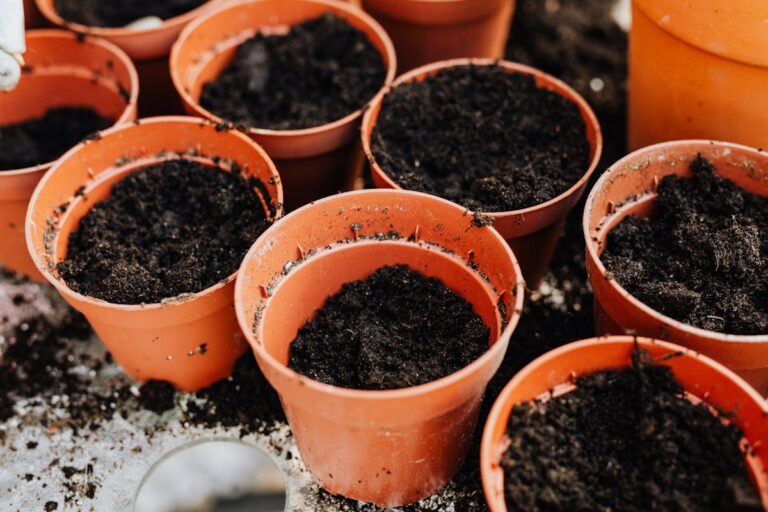
A person shared a story about a batch of heirloom tomato seeds that had become a major source of excitement during the growing season. She had searched through different varieties, picked out the ones she loved, and planted the seeds in February. From that moment, the little seedlings became a project she carefully watched and nurtured every day.
These were not plants she casually tossed into a corner of the yard and forgot about. She spent two months caring for them while eagerly telling her husband about their progress. Every new leaf, stronger stem, and sign of growth felt like a small victory worth celebrating.
The Seedlings Got the VIP Treatment
The young tomatoes spent time in the garage before making their way outdoors in stages. They moved in and out of the backyard, spent time under shelter, and were eventually exposed to full sunlight as part of the hardening-off process. It was the kind of careful routine gardeners use when they want fragile seedlings to survive the transition into the real world.
Throughout the process, she kept her husband updated about what she was doing. She told him about the different varieties and proudly pointed out how healthy they were becoming. By the time planting day arrived, there was little doubt that these tomatoes had received plenty of attention.
Finally, They Made It Into the Garden
After all those weeks of preparation, she finally planted the tomatoes outside in the garden. Because the growing conditions were suitable for her area, she was able to move them into their permanent home after carefully preparing them. It was the moment when all those tiny seedlings finally became part of the garden she had been imagining.
A few days later, she pointed the plants out to her husband again. She told him they appeared to be doing well and seemed pleased that the transition had gone smoothly. For her, seeing those little plants established in the garden was the payoff for months of patience.
Then the Fence Project Began
The trouble started when her husband decided to stain the fence located beside the garden. She immediately reminded him about the tomato plants and asked him to be careful while working near them. Considering how often she had talked about the plants, this was hardly a surprise request.
She repeated the warning the following morning. Before he started, she pointed out that she had watered the plants and once again asked him not to step on them. At that point, there had been multiple reminders about the same small section of the garden.
One Step Could Have Been an Accident
The situation might have been easier to understand if one tomato plant had been crushed by mistake. Gardens can be awkward workspaces, especially when someone is carrying tools, moving around a fence, or trying to reach a difficult spot. A single careless step could have been written off as an unfortunate gardening accident.
But that was not what happened here. According to the story, her husband walked directly over the plants and kept going until all of them were destroyed. The problem was no longer just that the tomatoes had been damaged, but that the damage continued after the first plant was already underfoot.
The Entire Tomato Patch Was Gone
By the time he finished, none of the heirloom tomato plants had survived. The seedlings she had spent two months raising had been reduced to a ruined patch of garden in a matter of moments. Months of anticipation disappeared much faster than they had taken to build.
For a gardener, losing a favorite plant can sting in a surprisingly personal way. These tomatoes represented time, care, anticipation, and the excitement of seeing unusual varieties produce their first harvest. The loss was about much more than a few green stems in the soil.
She Was Hurt, and Then the Argument Started
Naturally, she was upset when she saw what had happened. Instead of receiving sympathy, however, she said her husband became angry with her for reacting emotionally. That response made the situation far more painful than the broken plants alone.
She explained that she could barely look at him afterward. In her mind, the deepest wound was not simply losing the tomatoes. It was the feeling that something important to her had been treated as though it had no value at all.
The Repeated Warnings Changed the Story
A response from a person focused on the fact that she had warned her husband repeatedly. The issue was not that he had accidentally stepped backward without knowing a garden was there. He had been told about the plants several times and had been specifically asked to protect them.
That detail became the center of the discussion. One careless movement might have suggested clumsiness, but continuing through the entire patch raised a very different question. Once the first plant was damaged, there was still an opportunity to stop.
Gardeners Know Why This Hurt So Much
People who spend time growing plants understand that gardening is rarely just about the final harvest. There is something deeply satisfying about starting with seeds, watching the first leaves appear, and slowly guiding a plant toward maturity. Every stage can feel like a tiny relationship between the gardener and the garden.
That is especially true with heirloom varieties. Gardeners often choose them because of unusual colors, flavors, histories, or memories associated with certain types of produce. Destroying the plants before they could even produce tomatoes meant losing the season along with the plants themselves.
The Fence Suddenly Felt Less Important
One response from a person pointed out an uncomfortable contrast in the situation. The fence project mattered enough for him to spend time staining it, while the carefully tended plants beside it apparently did not receive the same consideration. From the gardener’s perspective, that imbalance made the incident feel even more personal.
The fence could be stained again another day if necessary. The tomato seedlings, however, had already gone through weeks of growth and careful preparation. Once they were crushed, there was no simple way to undo what had happened.
Then Someone Asked About the Rest of the Marriage
As more people reacted to the story, attention shifted from the tomatoes to the larger relationship. Several responses questioned whether this was an isolated mistake or part of a broader pattern of behavior. The tomato plants had become a window into a much bigger issue about respect and consideration.
That question added another layer to the story. If someone repeatedly dismisses something that brings joy to their partner, the gardening problem can start to look like a symptom rather than the whole story. Suddenly, the ruined tomato patch was raising questions far beyond the vegetable bed.
The Family Was Already Grown
One detail added an unexpected twist. The person explained that she and her husband had three children, and the youngest was already 35 years old. This was not a situation involving a young couple trying to figure out how to balance hobbies, children, work, and a brand-new household.
Instead, the couple had apparently spent decades together and had built a family long ago. That made the question of what should happen next much more complicated. A response from a person pointed out that age or time together does not automatically mean someone has to remain in an unhappy relationship.
Another Gardener Described a Very Different Marriage
One particularly interesting response came from a person who had recently become interested in gardening herself. She explained that her husband asked questions about her plants, wanted to understand her methods, and showed genuine curiosity about why she did things a certain way.
He did not share the hobby, but he recognized that it mattered to her. He asked about seedlings, watering, weeds, compost, mulch, and other gardening tasks simply because he wanted to understand what she enjoyed. That example created a striking contrast with the original story.
You Do Not Have to Love the Hobby to Respect It
A person does not need to become a passionate gardener just because their partner loves growing tomatoes. They do, however, need to understand where the garden ends and the walking path begins. Even someone who knows nothing about heirloom tomatoes can understand a simple request to avoid stepping on plants.
That is part of what made this story resonate with gardeners. The disagreement was never really about whether tomatoes were important. It was about whether something important to one person deserved basic care from the other.
The Biggest Twist Was Not the Tomatoes
At first glance, this looked like a story about an unfortunate gardening mishap. A fence needed staining, a garden sat nearby, and somehow a collection of young tomato plants ended up under someone’s feet. But the more details emerged, the less the story seemed to be about gardening at all.
The real twist was what happened after the plants were destroyed. Instead of an immediate apology, there was anger directed at the person who was hurt. The ruined garden exposed a much bigger emotional problem, turning a tomato tragedy into a story about what happens when something precious to one person is treated as meaningless by someone else.
The Plants May Have Been Small, but the Message Was Not
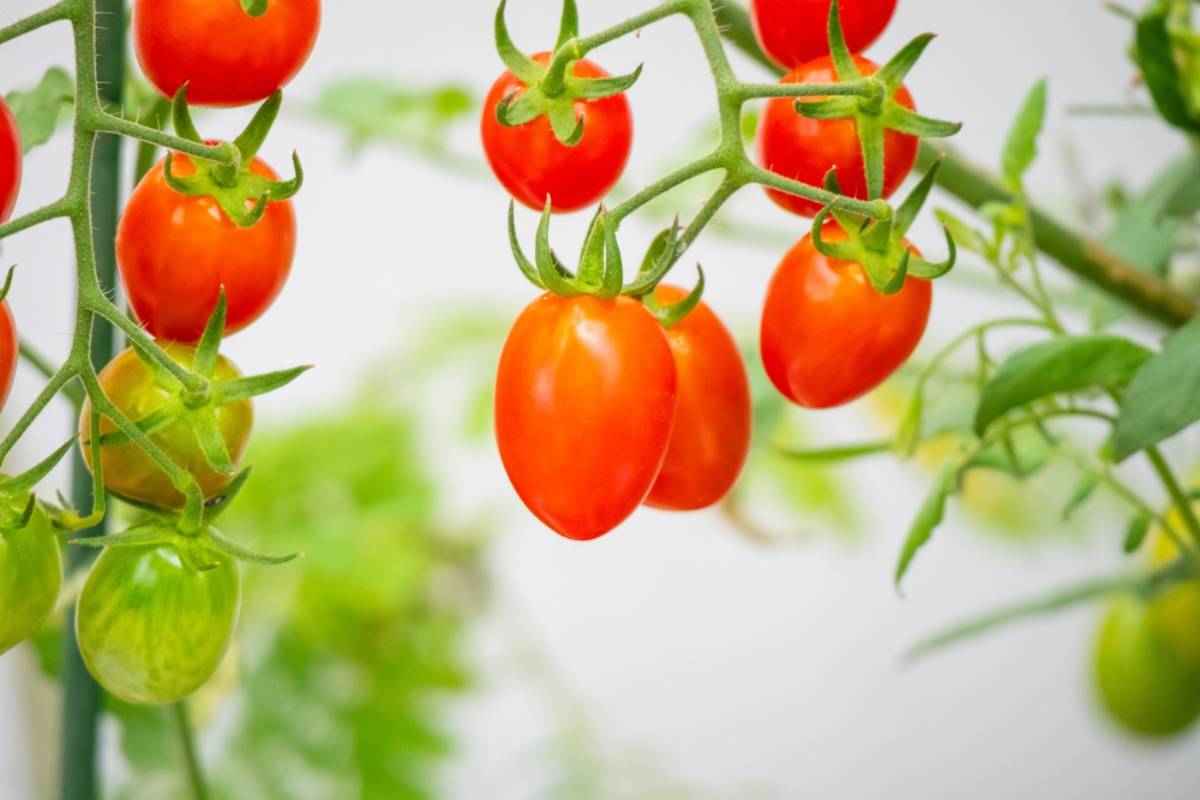
Heirloom tomatoes can begin life as tiny seeds that barely look like anything at all. With enough care, those seeds become sturdy plants capable of producing an entire season’s worth of fruit. Watching that transformation is one of the reasons gardening becomes such a meaningful hobby for so many people.
In this case, the plants became a symbol of something larger. She had invested time, attention, and excitement into growing them, and she wanted the person closest to her to understand why they mattered. When the garden was destroyed, what hurt most was the feeling that her effort and happiness had been dismissed along with it.