Simple Steps to Refresh Your Soil for Next Year and Boost Your Garden’s Health
Getting your garden soil ready for next year can feel overwhelming, especially if you’re not sure where to start. Many gardeners notice their plants don’t look as strong after a few seasons, and the culprit is often tired, compacted soil.
Soil loses nutrients and structure over time, making it harder for plants to thrive. Giving your soil some attention now can make a big difference when the next growing season comes around.
Remove old roots and debris from the soil
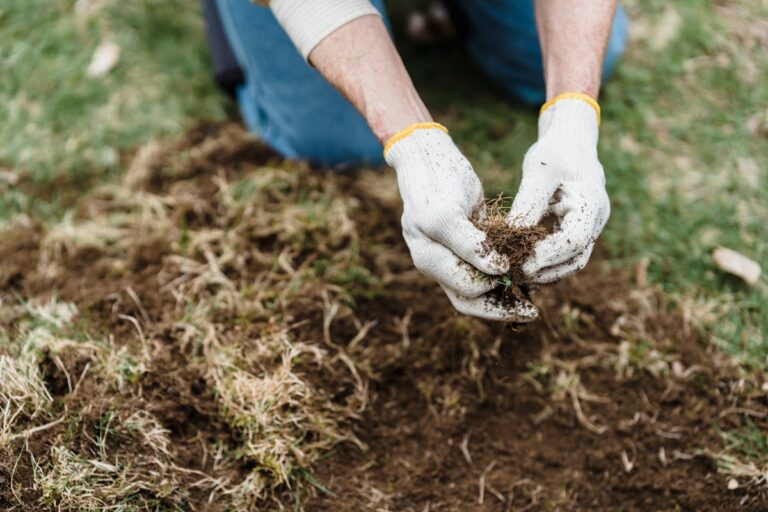
Start by digging through your soil and pulling out any old roots, dead plants, and other debris. These leftovers can block airflow and water, creating obstacles for your new plants.
Removing this material also helps stop pests and diseases from sticking around. Roots left in the soil can rot and cause problems for healthy plants.
Use your hands or a small tool to break up clumps. This will loosen the soil and make it easier to refresh.
Clearing debris creates a cleaner space for adding nutrients later on.
Let soil dry and break up clumps
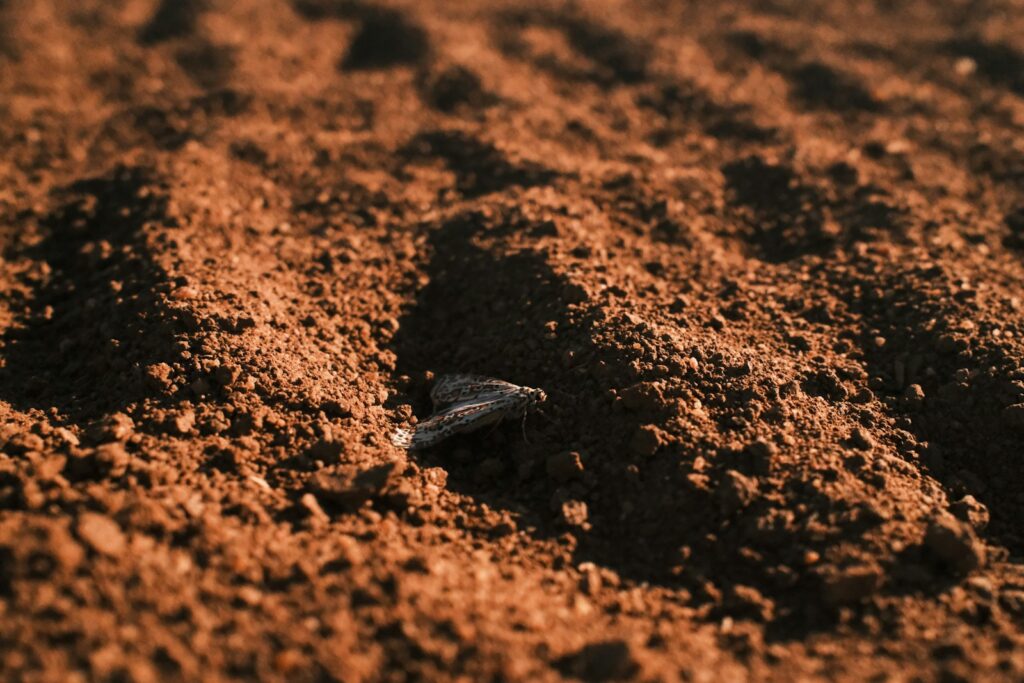
Before you start working your garden soil, make sure it is not too wet. Wet soil tends to stick together and can get damaged when you try to break it up.
Let the soil dry a bit until it feels crumbly but still moist. This makes it easier to handle and helps prevent compacting the soil further.
Once the soil is ready, use a garden fork, spade, or hand tiller to break up any large clumps. Breaking the clumps will improve air flow and make it easier for plant roots to grow.
If the clumps are very hard, you might need to gently tap or push them apart with your hands or tools. This simple step will help create a loose, healthy soil structure for your plants next year.
Add fresh compost for nutrients
Adding fresh compost to your soil is an easy way to bring back nutrients. Compost helps replace what your plants have used up during the growing season.
You don’t need to dig up all your soil. Just spread a thin layer of compost on top and gently mix it in.
This helps improve soil texture and makes it easier for roots to grow. Compost also holds moisture better.
That means your soil will stay damp longer, so your plants won’t dry out as quickly. Over time, this makes your garden stronger and more productive.
If you’re not sure how much compost to use, start with about an inch or two over your garden beds. Too much can overwhelm the soil, so adding it little by little each year works best.
Using compost is a natural and simple way to refresh your soil without needing fertilizers or chemicals.
Mix in perlite or vermiculite for drainage
Adding perlite or vermiculite to your soil can help improve drainage and air flow. This is important because plants need both water and oxygen around their roots to grow well.
Perlite is a lightweight, white material that helps water drain quickly. It also keeps the soil from getting too packed.
Vermiculite holds more moisture than perlite and also helps keep nutrients in the soil. It works well if your soil tends to dry out too fast, but still lets air reach the roots.
You can mix either one into your soil before planting. A good rule is to use about 10 to 30 percent perlite or vermiculite with your soil.
This helps create a balanced mix that drains well but still holds enough moisture.
Sterilize soil by baking to kill pathogens
You can refresh your soil by baking it in the oven. This method kills harmful pests, bacteria, and fungi that can hurt your plants.
Start by spreading your soil in an oven-safe pan. Preheat your oven to about 180°F or 82°C.
Make sure the soil is no more than two or three inches deep so it heats evenly. Bake the soil for about 30 minutes.
Keep an eye on it to avoid burning. Let the soil cool completely before using it for your garden.
This process also helps get rid of weed seeds and insect larvae. Baking your soil is especially useful if you’re growing seedlings or starting new plants.
Incorporate aged leaf mold for organic matter

Using aged leaf mold is a simple way to add organic matter to your soil. It is made by letting fallen leaves break down over time.
This process creates a crumbly, dark material that is great for your garden. When you mix leaf mold into your soil, it helps improve soil structure.
Your soil will hold water better and let air flow more easily. Plants can grow stronger roots in soil with leaf mold.
Leaf mold is also a natural way to feed the tiny microbes in the soil. These microbes help break down nutrients so your plants can use them.
You can make leaf mold by collecting leaves in a bin and letting them sit for about a year. Once the leaves turn soft and crumbly, they are ready to be added to your garden beds or pots.
Test soil pH and adjust with lime or sulfur
Testing your soil’s pH gives you a sense of whether your soil is too acidic or too alkaline. Most plants grow best when soil pH is between 6.0 and 7.0.
You can use simple home test kits or send samples to a lab. If your soil pH is below 6.0, it means the soil is too acidic.
You can raise the pH by adding lime. Lime helps make the soil less acidic and better for your plants.
If your soil pH is above 7.0, the soil is too alkaline. Adding sulfur will lower the pH and bring it closer to the ideal range.
Apply lime or sulfur in small amounts. Avoid adding too much at once because this can harm your plants.
After adjusting, test the soil again in a few months to see if the pH is in the right range.
Add slow-release organic fertilizer
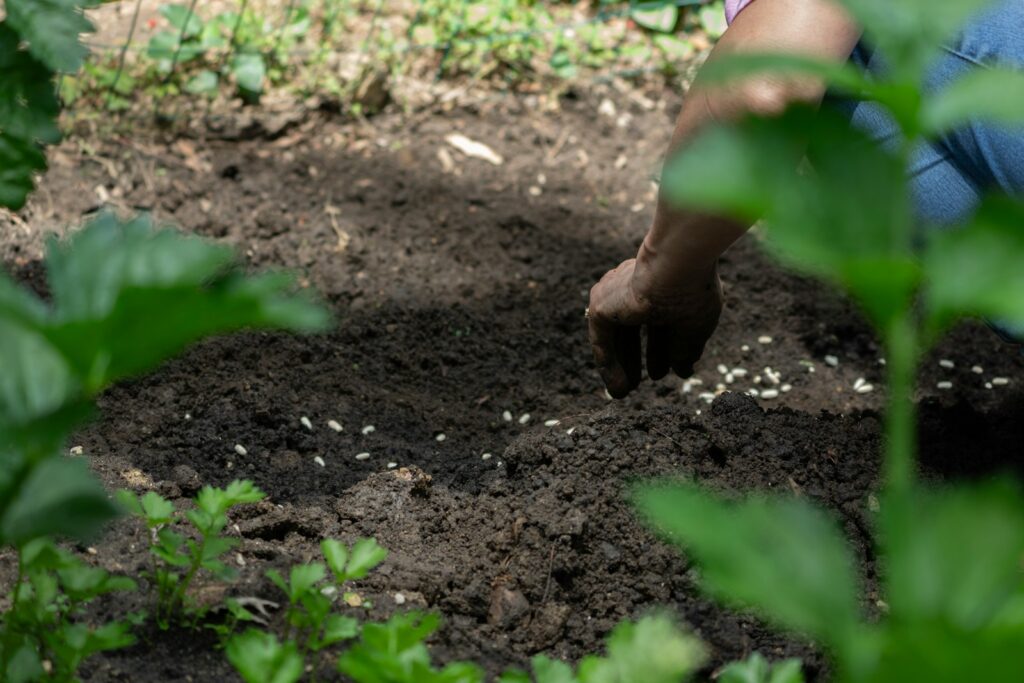
Adding slow-release organic fertilizer to your soil is a smart way to keep nutrients available for your plants over time. This type of fertilizer breaks down slowly, feeding the soil and plants steadily.
You should choose a slow-release fertilizer that fits your garden’s needs. Read the instructions to apply the right amount.
Too much can cause nutrient build-up, while too little won’t give enough support. Mix the fertilizer into your soil or compost before planting.
This helps spread the nutrients evenly. Make sure the soil is moist to help the fertilizer start working as microbes break it down.
Turn the soil to aerate and improve structure
Turning your soil helps bring air into it. This makes the soil less compact and easier for roots to grow deep.
When soil has good air flow, water can also move better through it. You can use a garden fork or tiller to gently loosen your soil.
Avoid turning it too much because that can break down helpful soil life. Just mix the top six to eight inches of soil to improve its texture.
Adding organic matter like compost or shredded leaves while turning the soil can boost its quality. This helps hold moisture and nutrients.
After working the soil, cover it with mulch or plant cover crops. These protect the soil surface and keep it healthy.
Mix in worm castings for beneficial microbes
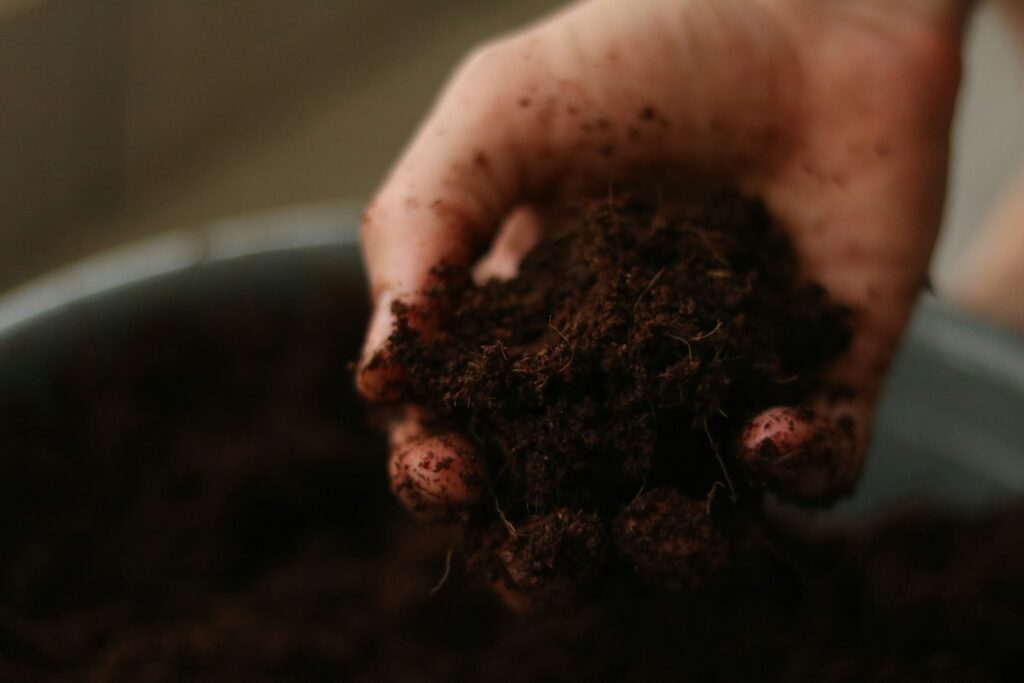
Adding worm castings to your soil is a simple way to bring in helpful microbes. These tiny creatures help break down organic matter, making nutrients easier for your plants to use.
Worm castings are full of natural nutrients like nitrogen, phosphorus, and potassium. When you mix them into your soil, they improve its structure and help it hold moisture better.
The microbes in worm castings also protect your plants by supporting a healthy soil environment. This means fewer pests and stronger plants.
You can mix worm castings directly into the soil or sprinkle them on top around your plants.
Understanding Soil Health
It’s easy to overlook soil health when you’re focused on plants, but it’s the foundation of a thriving garden. Paying attention to a few signs can help you spot problems before they affect your plants.
Key Indicators of Soil Quality
Healthy soil feels crumbly and loose, not hard or clumpy. When you dig, it should have a sweet, earthy smell.
These signs show the soil has enough organic matter and good drainage. You can also check soil color.
Dark brown or black soil usually means it has plenty of nutrients and organic material. Look for earthworms or other small bugs.
They help break down dead plants and improve soil texture. The more life you see, the better your soil is supporting plant growth.
Test the soil moisture. Soil that holds moisture but drains well is ideal.
Too much water or dryness can harm roots.
How Soil Composition Impacts Plant Growth
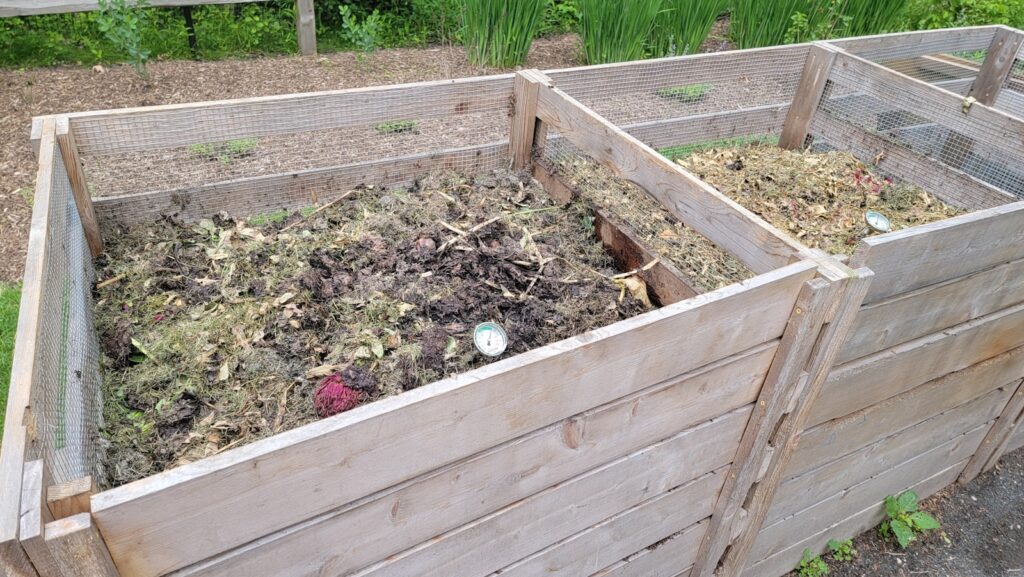
Soil is made up of different parts such as minerals, organic matter, air, and water. All these elements work together to support plants.
Minerals like sand, silt, and clay control how your soil holds water and nutrients. For example, sandy soil drains fast but holds fewer nutrients.
Clay soil holds nutrients but may drain slowly. Organic matter, such as compost, feeds tiny soil organisms that help break down material into nutrients plants can use.
This also improves soil texture and water retention. Air in the soil allows roots to breathe, while water helps move nutrients around.
Too little air or water can stunt plant growth. Keeping a balanced mix of these parts will help your plants grow healthier and stronger.
Preventing Future Soil Problems
No one wants to deal with the same soil issues year after year. A few simple habits can help you avoid headaches down the road and keep your garden thriving.
Common Mistakes to Avoid
Overworking your soil is a big mistake. Tilling too much breaks down soil structure, making it hard for roots to grow and reducing air and water flow.
Ignoring soil tests can lead to nutrient imbalances. Without testing, you might add too much fertilizer or miss key nutrients your soil needs.
Skipping organic matter is another problem. Without adding compost or mulch, your soil can lose fertility and become compacted.
Avoid planting the same crops repeatedly in the same spot. This can cause pest buildup and nutrient depletion.
Tips for Maintaining Healthy Soil Year-Round
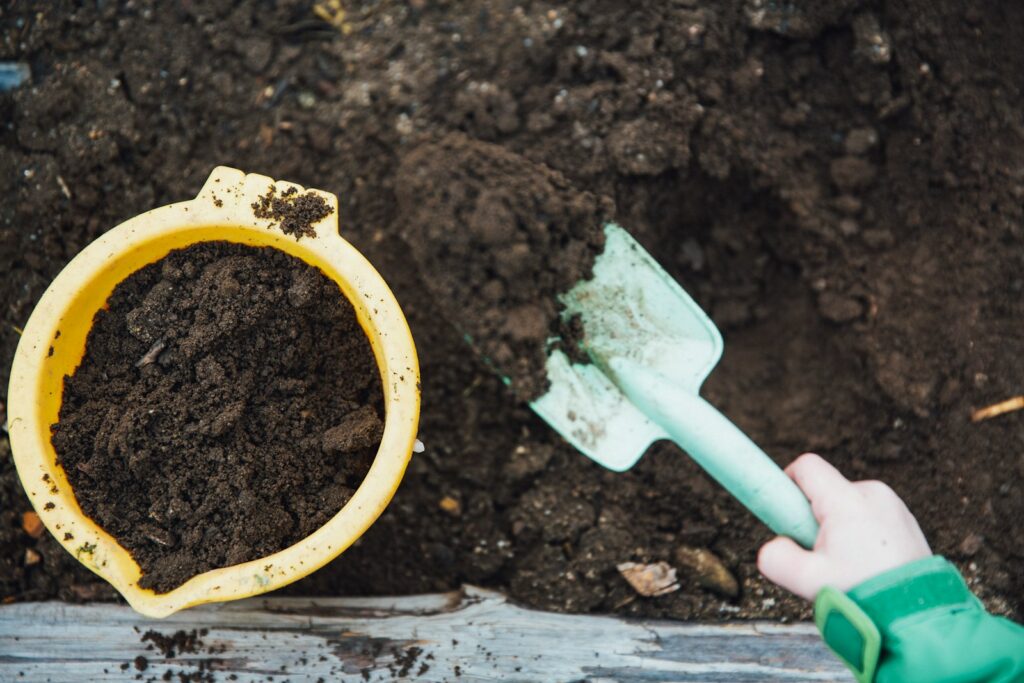
Tending to your soil is one of those behind-the-scenes tasks that pays off all season long. Healthy soil means happier plants and a more productive garden.
Keep your soil covered with mulch or cover crops. This helps protect it from erosion and keeps moisture where your plants need it most.
Add organic matter like compost on a regular basis. It gives microbes what they need and makes the soil feel softer and richer.
Try rotating what you plant in each spot every year. This keeps pests guessing and helps your soil hold onto important nutrients.
Avoid walking on your garden beds to prevent soil compaction. Raised beds or designated pathways can help keep the soil loose and healthy.
When you water, do it deeply but not too often. This encourages roots to grow stronger and keeps nutrients from washing away.