“Smart Shopping at the Garden Center: What’s Worth Your Budget and What’s Not”
When it comes to gardening, many of us have experienced the delightful allure of the local garden center. The vibrant colors, the fragrant herbs, and the promise of a thriving garden can make it all too easy to overspend. While some items are definitely worth the price, others may lead to buyer’s remorse. Let’s break down what you should splurge on and what you can skip when perusing those aisles.
Understanding Markups
Before diving into specifics, it’s important to understand that garden centers often mark up prices significantly. This can be due to various factors, including overhead costs, transportation, and sometimes just the sheer demand for certain plants. As a result, being a savvy shopper can save you a good chunk of change while still allowing you to create the garden of your dreams.
What’s Worth Paying For
1. Quality Plants
Investing in healthy, robust plants is always a wise choice. While the price tag may be higher, quality plants will establish themselves faster and require less maintenance over time. Look for local nursery-grown plants, as they are often more acclimatized to your climate. Check the leaves for signs of pests or disease, and ensure the root system is healthy. Remember, a little extra spent now can save you from costly replacements later.
2. Perennials
While perennials may come with a higher upfront cost compared to annuals, they can pay off in the long run. These plants return year after year, and many will spread and fill out your garden over time. Look for native perennials that will thrive in your USDA zone and require less water and care. Some popular choices include coneflowers, black-eyed Susans, and daylilies.
3. Soil and Amendments
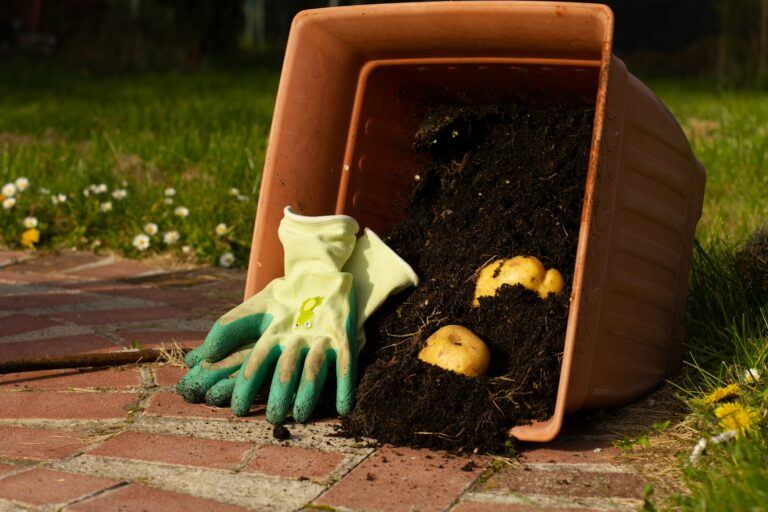
Quality soil is foundational to gardening success. While it might be tempting to grab a cheap bag of potting mix, investing in high-quality soil or compost can significantly improve your plants’ health. Organic amendments like worm castings or mycorrhizal fungi can also enhance soil structure and nutrient availability, leading to stronger plants.
4. Specialty Tools
If you’re serious about gardening, investing in high-quality tools is a must. Durable, ergonomic tools made from stainless steel or hardwood can last for years and make gardening tasks much easier. Look for essential items like trowels, pruners, and hand rakes. While they might cost more upfront, their longevity and efficiency will serve you well over time.
5. Organic Pest Control
Prevention is key when it comes to pest management. Organic pesticides and beneficial insects, like ladybugs or lacewings, may seem pricey, but they can be a worthwhile investment. They help maintain a healthy garden ecosystem without the harmful effects of harsh chemicals, making your garden safer for kids and pets.
What You Can Skip
1. Annuals
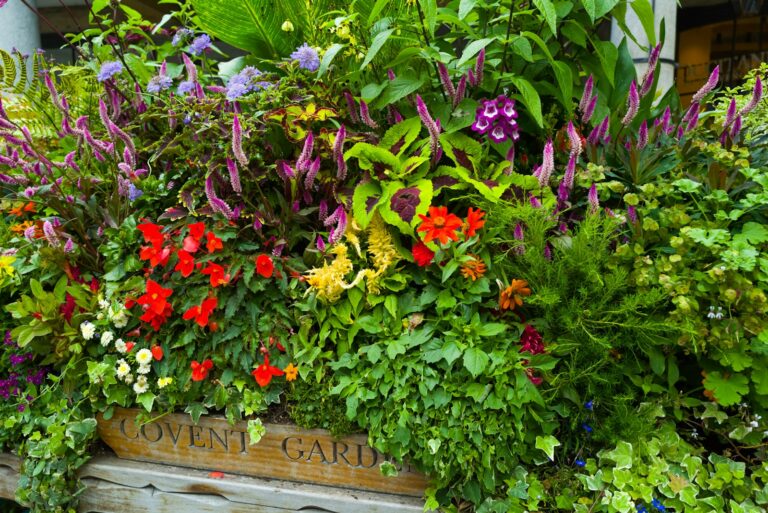
While annuals can add instant beauty to your garden, they often require yearly replacement, making them a less economical choice in the long run. If you want to include some for seasonal color, consider buying smaller plants that you can nurture into larger specimens. Alternatively, try growing them from seed for a more budget-friendly option.
2. Overly Trendy Plants
Every season brings a new wave of trendy plants, but these often come with higher price tags. Before shelling out for the latest must-have, consider whether it will suit your space and climate. Instead, opt for tried-and-true plants that are proven to thrive in your area.
3. Decorative Pots and Planters
While decorative pots can enhance your garden’s aesthetic, they often come at a premium. Instead, consider repurposing containers you already have or purchasing more budget-friendly options. You can also create your own planters from wood, metal, or even recycled materials for a unique touch.
4. Fertilizers with Unnecessary Additives
Many fertilizers are marketed with flashy labels and claims, but the reality is, most plants thrive on basic nutrients. Research the specific needs of your plants and choose a simple, balanced fertilizer. In many cases, organic compost can provide all the nutrients your garden requires, making expensive fertilizers unnecessary.
5. Tools You’ll Use Once
As a beginner gardener, it’s easy to be tempted by specialized tools that promise to make gardening easier. However, many of these tools are only useful for specific tasks and can take up space in your shed. Stick to the essentials, and invest in versatile tools that you’ll use regularly.
Smart Shopping Strategies
Join Loyalty Programs: Many garden centers offer loyalty programs that can lead to discounts or rewards points. Sign up to take advantage of these savings.
Shop Off-Season: Certain plants and gardening supplies may be cheaper in the off-season. Consider shopping for perennials in late summer or fall, when they are often discounted.
Ask Questions: Don’t hesitate to ask staff for recommendations or advice. They can provide insights into which plants thrive in your area and how to care for them effectively.
Plan Ahead: Before you head to the garden center, make a list of what you need. This will help you avoid impulse buys and stay within budget.
By knowing what to splurge on and what to save, you can transform your garden without breaking the bank. With thoughtful shopping and a little planning, you can enjoy the beauty and bounty of your garden for years to come. Happy gardening!