Some Families Are Turning Empty Lots Next to Their Homes Into Community Gardens, And Cities Are Now Deciding Who Actually Owns the Harvest
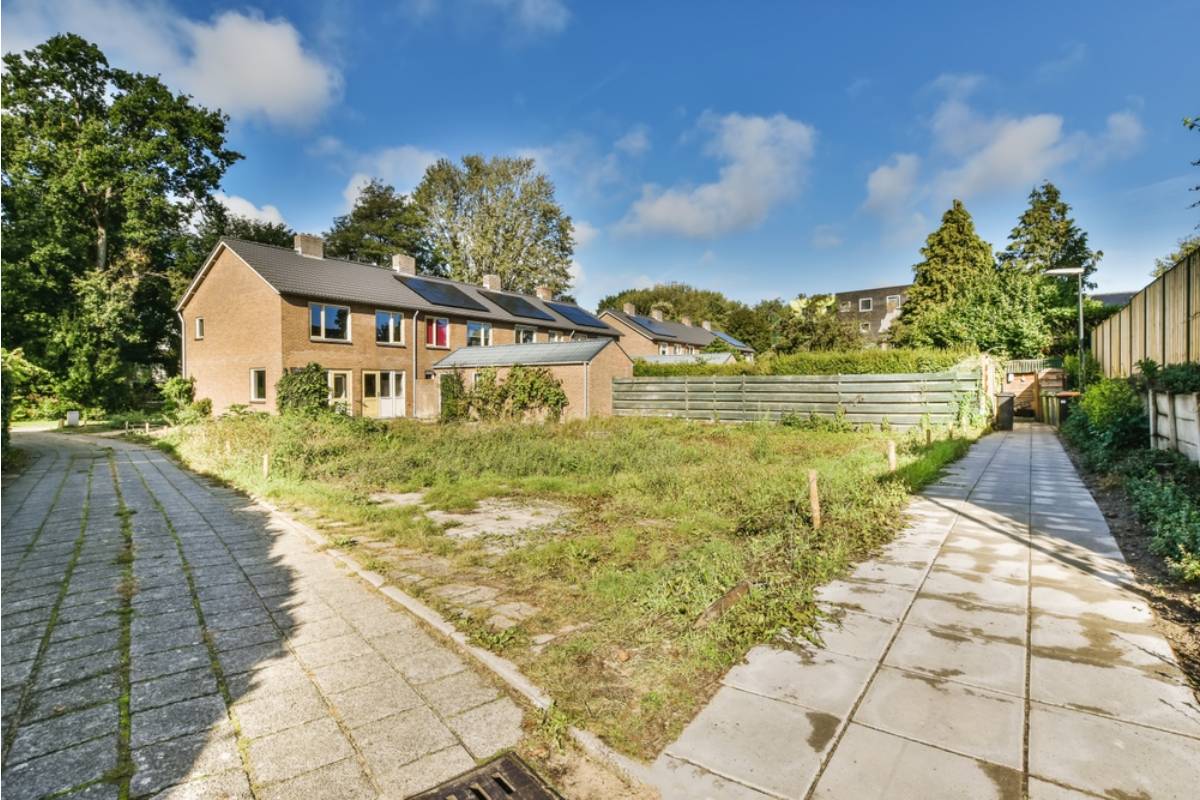
In a quiet suburban stretch outside a mid sized American city, an abandoned strip of land behind several homes had always been ignored. It was overgrown, littered with old debris, and technically part of a long disputed municipal parcel that no one maintained properly.
One summer, a few residents started talking about cleaning it up, not as a project, but just to make it usable again. What began as frustration over wasted space slowly turned into a shared idea that no one expected would become complicated. Within weeks, shovels and gloves replaced complaints, and the empty lot stopped being empty.
The Empty Lot Behind Maple Street
The strip of land sat behind a row of houses on Maple Street, separated by a sagging chain link fence. Most neighbors used it as a shortcut for trash bags or avoided it entirely because of the uneven ground. One resident, Carla Jennings, started noticing how much sunlight the space actually got during the day. She mentioned to her neighbor Marcus Hill that it could easily grow vegetables if it was cleaned up. Marcus laughed at first, assuming nothing would come of it. But the idea stayed in the air longer than expected.
The First Weekend Cleanup
A small group showed up the following Saturday with basic tools and trash bags. They pulled out broken branches, old tires, and layers of weeds that had taken over the soil. Kids from nearby homes helped drag debris into piles while adults argued about what should be removed first. By the end of the day, the ground looked different enough that people started imagining rows of plants. Someone even marked sections with sticks as if planning beds. No one asked permission because everyone assumed it was just neglected space.
The Raised Beds Appear
Two weeks later, wooden frames appeared on the cleared soil, built from donated lumber and leftover supplies. Carla insisted they should be organized so each household could tend its own section. Marcus disagreed and said it should remain shared so no one felt left out. Despite the disagreement, both helped build the frames side by side. Soil was brought in from a nearby landscaping store that agreed to drop off excess dirt. The lot slowly transformed into something that looked intentionally designed.
Neighbors Start Joining In
As vegetables began to sprout, more neighbors who had not helped at first started visiting the site. Some brought watering cans, others brought seeds they had saved from previous seasons. Conversations grew longer at the fence line, often stretching into discussions about property lines and responsibility. A few people began to ask who exactly had approved the project. Carla brushed it off, saying it was unused land and everyone had improved it together. Still, the question lingered.
A Disagreement Over the Fence Line
One afternoon, a neighbor from the end of the street claimed that part of the garden extended onto land he believed was privately owned. The mood shifted quickly as people gathered around measuring tape and old survey assumptions. Marcus tried to calm the situation by suggesting they simply adjust the beds slightly. The neighbor refused and said he wanted official clarification before anything continued. What had been a friendly project now felt slightly unstable. People started looking at the fence differently than before.
The City Notice Arrives
A week later, a folded notice was posted on the fence, stamped with city markings. It stated that the land was under municipal review due to unauthorized use and modifications. Carla read it twice, trying to understand how something they improved could now be considered a violation. Marcus suggested they contact the city directly before assuming the worst. Some neighbors panicked and pulled back from the garden entirely. Others insisted they had done nothing wrong and should not stop.
The Meeting at Town Hall
Residents from Maple Street attended a scheduled meeting with city officials, bringing photos and records of their cleanup efforts. The city representative explained that the parcel had been disputed for years due to unclear zoning history. He acknowledged the improvements but said permission had never been granted for cultivation. Carla argued that abandonment should count for something in how ownership is interpreted. The room became tense as legal language clashed with lived experience. No resolution was offered that night.
Lawyers Step In
Within days, both a neighborhood association and the city had legal counsel reviewing the situation. Letters began circulating that referenced easements, liability, and land use restrictions. Marcus found himself spending evenings reading documents he barely understood. Carla grew frustrated, saying the garden was supposed to bring people together, not paperwork. Still, neither side backed away. The dispute quietly expanded beyond Maple Street.
The Question of Ownership
The central issue shifted from who built the garden to who had rights over what it produced. Some neighbors argued that whoever planted should keep the harvest. The city maintained that any produce grown on municipal land belonged under public management rules. This created confusion about whether picking vegetables was even allowed anymore. People started harvesting less often, unsure if they were crossing a line. The garden that once felt open now felt watched.
Harvest Day Tension
When the first large harvest season arrived, only a few residents showed up to pick vegetables. Others stood at a distance, waiting to see if anyone would object. Carla carefully gathered tomatoes while checking the street for city workers. Marcus noticed how quiet everything had become compared to earlier months. A sense of hesitation replaced the earlier excitement. Even the children who once played between the rows stayed near the fence.
A Sudden Lock on the Gate
One morning, residents arrived to find a new lock installed on the garden gate. A printed notice explained that access was temporarily restricted pending final review. Several neighbors reacted angrily, saying they had been cut off from something they built. Carla knocked on doors trying to figure out who had authorized it. No one seemed to have a clear answer. The uncertainty deepened the divide between residents and officials.
The Community Pushback
A group of neighbors organized a petition demanding shared access or official recognition of their work. They presented before the city council, describing months of labor and improvement. Marcus spoke about how the space had reduced trash dumping and brought people together. City officials acknowledged the effort but emphasized legal boundaries they could not ignore. The debate became less about vegetables and more about who gets to decide what public space becomes. Tension remained unresolved even after the meeting ended.
The Final Decision
After weeks of review, the city announced a compromise that surprised both sides. The land would remain public, but the garden would be formalized under a community stewardship program. Residents would be allowed to maintain and harvest under specific guidelines and shared oversight. Carla and Marcus were invited to help form the initial committee. Some neighbors felt relieved, while others felt it gave the city too much control. Still, the gate eventually reopened, and people slowly returned to the soil that had started it all.