Some Home Gardeners Are Growing Only One Crop Repeatedly, And It’s Raising Concerns About Soil Health Over Time
Some home gardeners are growing only one crop repeatedly, and what started as a simple preference has now turned into a dramatic debate about soil health, stubborn habits, and whether convenience is quietly destroying entire gardens.
It Started With One “Successful” Crop
At first, it made perfect sense. One gardener had a season where tomatoes grew exceptionally well. The harvest was huge. The effort paid off. So the next season, they planted tomatoes again. And again after that.
The Idea Spread Across Neighborhoods
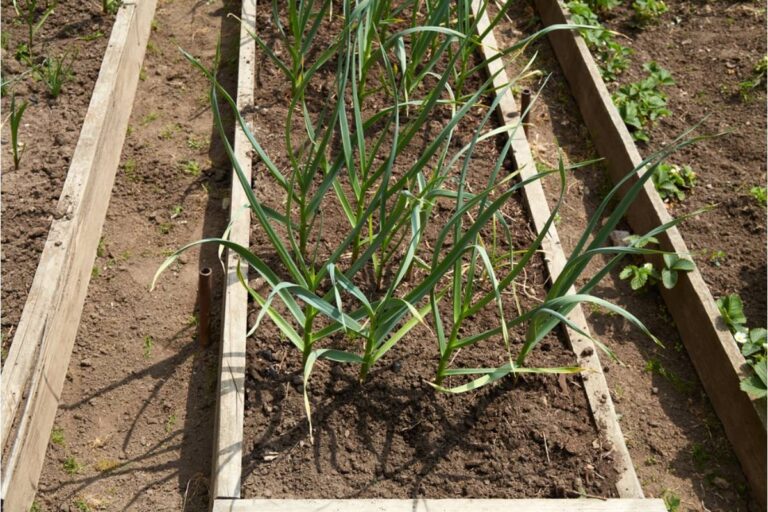
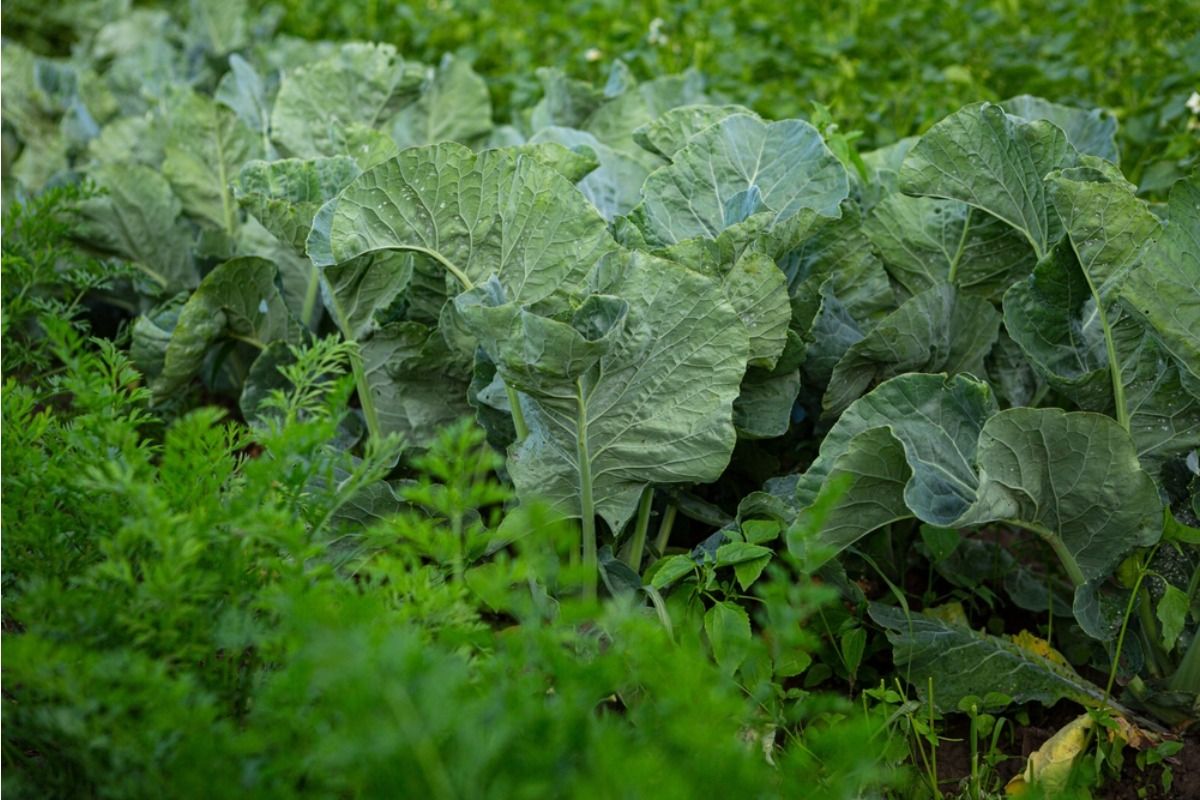
Soon, other gardeners followed the same pattern. “If it works, repeat it” became the mindset. Entire backyards turned into single-crop zones. Rows and rows of the same plant. Diversity disappeared almost overnight.
Yields Looked Strong, At First
For the first couple of seasons, everything still looked fine. Plants grew fast. Harvests seemed consistent. It gave gardeners confidence. They felt like they had discovered a shortcut to success. But that confidence didn’t last.
Subtle Soil Changes Began Appearing
After repeated planting, the soil started behaving differently. Growth slowed slightly. Leaves didn’t look as vibrant. Plants needed more care than before. But many ignored these signs. Thinking it was just a temporary issue.
Fertilizer Use Started Increasing
To fix the problem, gardeners added more fertilizers. Then even more. What used to grow naturally now needed constant input. The soil wasn’t supporting the plants the same way. And dependence on external help grew quickly.
Pests Seemed to “Lock Onto” the Gardens
Then came the pests. The same crop, planted over and over, became an easy target. Insects showed up in larger numbers. Diseases spread faster. It was like the garden had become predictable. And vulnerable.
Some Gardeners Refused to Change
Despite the problems, many refused to switch crops. They believed sticking with one plant would eventually work again. It became almost stubborn. A routine they didn’t want to break. Even as results declined.
Others Began Raising Concerns Loudly
A smaller group started warning about long-term damage. They talked about soil exhaustion. Nutrient depletion. And the risks of monocropping. But their warnings were often ignored. Especially by those still hoping for big harvests.
Entire Gardens Started Underperforming
Eventually, the impact became undeniable. Yields dropped significantly. Plants looked weaker. Even with extra effort, results didn’t improve. Some gardens that once thrived began struggling season after season.
The Debate Turned Heated
Conversations between gardeners became tense. One side defended consistency. The other pushed for rotation and variety. What started as a gardening choice became a full argument. About knowledge, habits, and stubbornness.
A Simple Habit Turned Into a Bigger Problem
In the end, what seemed like an easy strategy, growing the same crop repeatedly, turned into a slow, visible decline that raised a bigger question: how long can convenience last before it starts damaging the very foundation it depends on?