Some Home Gardeners Are Pressing and Drying Their Own Flowers for Homemade Cards and Artwork, And the Hobby Is Quietly Taking Over Their Growing Decisions
Emily used to choose flowers for one reason alone. If they looked beautiful in the garden, they earned a place in her planting plans. That changed after a friend gave her a handmade birthday card decorated with real pressed flowers from a backyard garden. She could hardly believe the delicate petals had once grown in ordinary flower beds. What started as curiosity soon became a hobby that quietly reshaped every decision she made in the garden.
A Simple Gift Inspired an Experiment
Emily asked her friend how the flowers had stayed so colorful inside the card. Instead of giving a complicated answer, her friend handed her a small flower press made from two wooden boards and several sheets of paper. She encouraged Emily to try preserving a few blooms from her own yard. Emily picked several flowers without much planning and waited patiently for the results. Opening the press weeks later felt like unwrapping a surprise.
The First Success Changed Her Perspective
The pressed flowers looked completely different from the fresh blooms, yet they were just as beautiful. Tiny details in the petals became easier to notice once they had dried flat. Emily arranged them on blank greeting cards and gave one to her mother. Her mother framed the card instead of putting it away after reading the message. That unexpected reaction convinced Emily she had discovered something special.
Flower Shopping Suddenly Felt Different
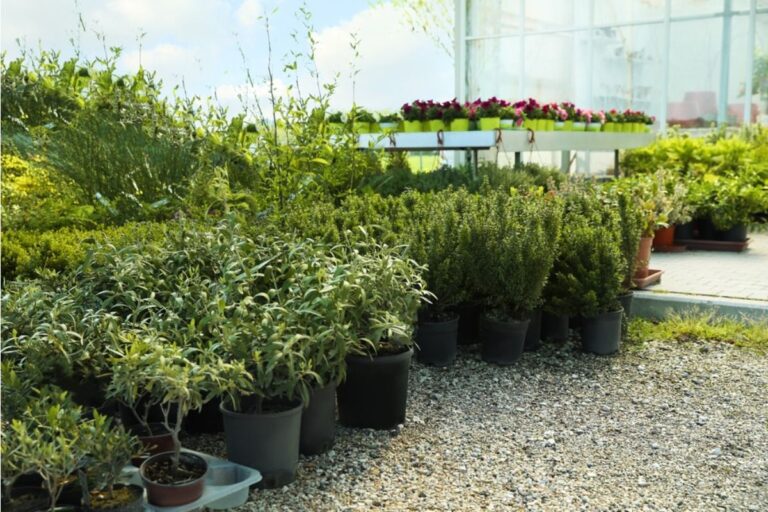
The next time Emily visited a local garden center, she found herself asking different questions than before. She no longer looked only for colorful flower beds during summer. Instead, she imagined how each bloom might look after being pressed and preserved. Certain flowers she once ignored suddenly seemed full of artistic possibilities. Her shopping cart reflected that shift in priorities.
Friends Began Requesting Handmade Cards
Emily mailed a few pressed flower cards to relatives for birthdays and anniversaries. Before long, people started calling to ask whether she could make cards for their own celebrations. She never planned to turn the hobby into anything beyond personal gifts, but the requests kept coming. Each card became completely unique because no two flowers dried in exactly the same way. The personal touch meant far more than store bought designs.
One Garden Bed Was Redesigned Completely
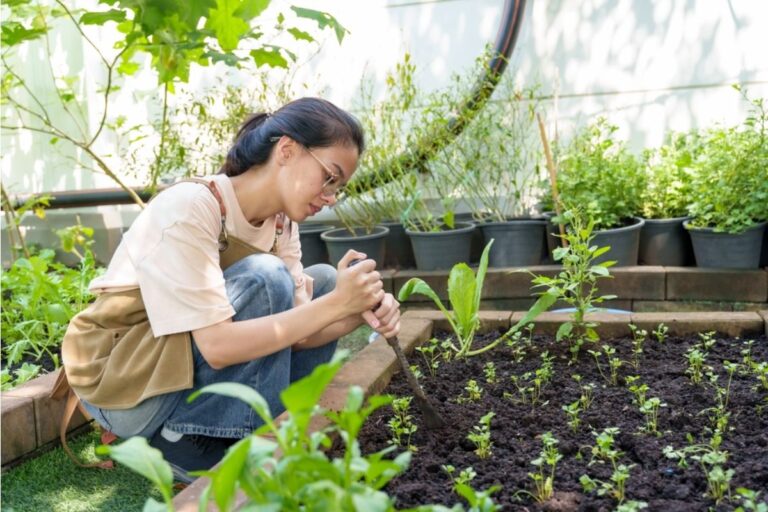
As spring approached, Emily removed several plants that rarely produced flowers suitable for pressing. In their place, she added varieties known for holding their shape and color after drying. Her husband noticed the changes while helping spread mulch and asked why the garden suddenly looked different. Emily smiled and explained she was planning not only for the growing season but also for the projects that would follow. The garden had quietly become both a landscape and an art supply.
A Community Class Sparked New Ideas
The local library hosted a weekend craft class focused on pressed flower artwork. Emily attended expecting to learn a few simple techniques. Instead, she discovered people were creating framed botanical designs, bookmarks, journals, and even decorative gift tags using flowers from their own gardens. Seeing so many creative ideas expanded her imagination overnight. She left carrying far more inspiration than supplies.
Her Daughter Changed the Harvest Routine
One afternoon, Emily’s teenage daughter walked into the garden carrying a small basket instead of pruning shears. She carefully selected flowers with perfect petals and avoided blooms that were beginning to fade. Emily laughed because only months earlier her daughter had shown little interest in gardening. Now she was discussing which flowers would press best for future craft projects. The hobby had quietly become something they shared.
An Unexpected Mistake Taught Patience
Excited by early success, Emily tried pressing several flowers that were still damp from watering the garden. Weeks later she opened the press and found many petals had browned or developed mold. Disappointed but determined, she researched proper drying techniques and realized moisture made all the difference. The mistake reminded her that preserving flowers required just as much care as growing them. She never rushed the process again.
Visitors Started Seeing the Garden Differently
Friends visiting the backyard often admired flowers that Emily no longer considered her favorites. Instead, she pointed toward blooms that held vibrant colors after pressing or had unusual petal shapes. Guests became curious when they learned those flowers would eventually become greeting cards or framed artwork. Conversations shifted away from landscaping and toward creativity. The garden suddenly had a second life beyond blooming.
Seasonal Planning Became More Intentional
As winter approached, Emily organized seed catalogs with an entirely new mindset. She made notes beside flowers that pressed beautifully and skipped several varieties that had disappointed her despite looking impressive outdoors. Her planting decisions became less about temporary displays and more about lasting creations. Every section of the garden now served multiple purposes. The planning itself became part of the artistic process.
A Family Tradition Began Unexpectedly
During the holidays, Emily invited relatives to make ornaments using pressed flowers collected throughout the year. Children carefully arranged petals while grandparents shared stories about gardens they remembered from childhood. The activity filled the dining table with laughter and quiet concentration. By the end of the evening, everyone had created something personal to take home. Several family members asked for flower presses of their own the following year.
The Garden Became More Than a Garden
Looking across her backyard, Emily no longer saw only flower beds and winding paths. She saw future birthday cards, framed keepsakes, bookmarks, and gifts waiting to bloom. Every planting decision reflected both the beauty of the growing season and the memories that could last long after the flowers faded. Friends often asked why she grew certain varieties that seemed unusual at first glance. She simply smiled because the most meaningful part of her garden did not end when the petals fell. It continued in the artwork that preserved each season long after it had passed.