Some Homeowners Are Replacing Decorative Mulch With Living Ground Cover Plants, And They Say Their Soil Health Has Never Looked Better
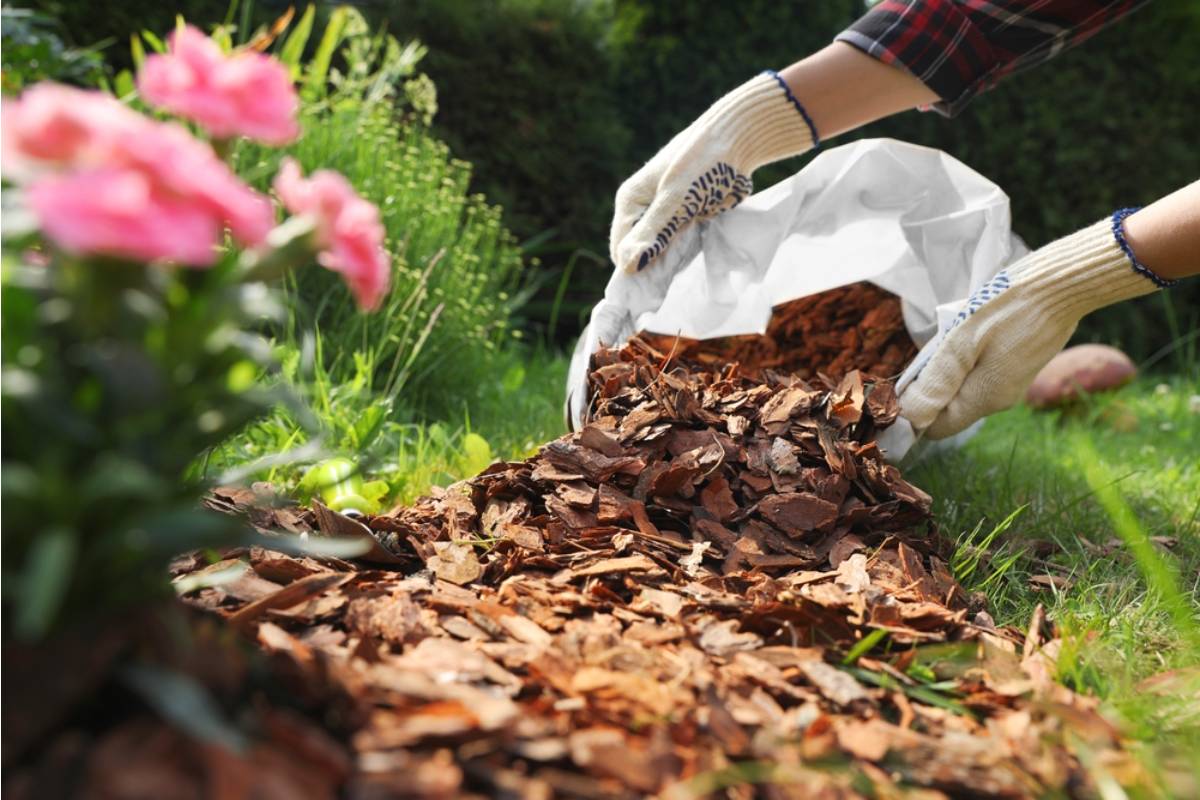
The idea started quietly in a suburban neighborhood where most yards looked similar, trimmed lawns with neat borders of mulch around flower beds and trees. One homeowner grew tired of constantly replacing faded mulch every season and decided to try something different. Instead of spreading fresh wood chips, she planted low spreading ground cover between her shrubs and garden edges. At first, neighbors assumed it was just a temporary experiment that would be corrected later. But within months, the yard began to change in a way that caught attention.
A yard that stopped relying on fresh mulch
The first section to change was a shaded strip under a row of small ornamental trees. Instead of brown mulch, the homeowner introduced creeping ground cover plants that spread slowly but evenly. The soil stayed cooler and less exposed than before. She noticed she was no longer buying bags of mulch every few weeks. The yard already started to feel less like maintenance and more like growth.
Early reactions from neighbors on the block
At first, neighbors were confused by the change in appearance. Some thought the yard looked unfinished without the usual dark mulch contrast. One neighbor asked if she had fallen behind on upkeep. She explained she was testing a living alternative to mulch. Most people nodded politely but did not seem fully convinced.
Soil moisture begins to change noticeably
After a few weeks, the soil under the ground cover stayed consistently damp without being soggy. The plants acted like a natural shield, slowing evaporation during warmer days. She began checking moisture less often because the results were more stable. Even after light rain, the soil did not dry out unevenly like before. That consistency became the first real sign that something different was happening.
Weeds stop appearing in treated areas
Previously, weeds would push through mulch and require constant pulling. Once the ground cover filled in, weed growth dropped dramatically. The dense plant layer left little space for unwanted shoots to emerge. The homeowner noticed she was spending far less time on her hands and knees. That shift alone made her question why she had relied on mulch for so long.
A skeptical neighbor starts paying closer attention
One neighbor who had initially criticized the look began watching the yard more closely. He noticed how the ground cover stayed green even during dry spells. During a conversation over the fence, he admitted he was surprised at how uniform it looked. The homeowner offered to explain the plant species she used. That conversation marked the first real change in neighborhood perception.
Expansion into the front yard beds
Encouraged by early results, she replaced mulch around her front yard shrubs as well. The transition took longer because she had to remove old material and let the plants establish themselves. During that period, the yard looked uneven and unfinished. Some neighbors assumed she had abandoned landscaping altogether. But she continued patiently waiting for the plants to fill in.
Unexpected improvement in soil texture
Months into the experiment, she noticed the soil had become looser and richer in appearance. Earthworms appeared more frequently in areas covered by plants compared to former mulch zones. Water began absorbing more evenly instead of pooling or running off. She did not change fertilizer routines, yet plant health improved across the garden. That difference suggested the soil ecosystem itself was shifting.
A landscaping company stops by uninvited
A local landscaping service working nearby noticed the yard during routine work in the area. One of the workers asked if she had installed a specialty ground cover system. He said most residential yards in the region struggled with soil dryness and compaction. He took photos, saying they rarely saw such consistent coverage without irrigation support systems. The homeowner was surprised by the level of professional interest.
Debate over appearance versus function
Not everyone in the neighborhood was convinced by the change. Some still preferred the clean contrast of dark mulch against green shrubs. One neighbor commented that the yard looked “too wild” compared to traditional landscaping standards. The homeowner argued that healthy soil mattered more than visual convention. The disagreement stayed polite but unresolved.
First signs of shared adoption nearby
A few months later, another house on the same street started experimenting with small ground cover patches. The owner said he had been watching the results next door before deciding to try it himself. He began with a narrow strip along his driveway. Slowly, similar green spreads began appearing in adjacent yards. The idea was quietly spreading without formal promotion.
A heavy rainstorm reveals the difference
After a strong rain, most traditional mulch beds in the neighborhood showed signs of runoff and displacement. In contrast, the ground cover areas held their shape and absorbed water more evenly. There were no floating chips or exposed soil patches. The homeowner walked around observing how stable her yard remained. That moment became a turning point in how others viewed the method.
Garden center begins getting questions
A nearby garden supply store started receiving unusual questions about living mulch alternatives. Customers asked which low spreading plants worked best for replacing wood chips. Staff began recommending a few hardy ground cover varieties based on what they had seen locally. The trend was no longer just one yard’s experiment. It had become a conversation among multiple homeowners.
A cautious shift in neighborhood landscaping norms
Over time, more houses introduced small sections of living ground cover alongside traditional beds. The change was gradual rather than sudden, with people testing before fully committing. The original homeowner noticed fewer comments and more curiosity. What was once seen as unusual began to look intentional. The neighborhood slowly adjusted its idea of what a well kept yard could look like.