Spring Clean Your Yard: The Secret to Keeping Summer Bugs at Bay
As winter melts away and the first signs of spring emerge, many gardeners are eager to dive into their outdoor spaces, preparing for a bountiful growing season. While planting seeds and nurturing blooms are vital tasks, there’s one early-spring chore that often gets overlooked: yard clean-up. This crucial task not only beautifies your garden but also plays a significant role in pest prevention, setting the stage for a bug-free summer.
Understanding the Importance of Yard Clean-Up
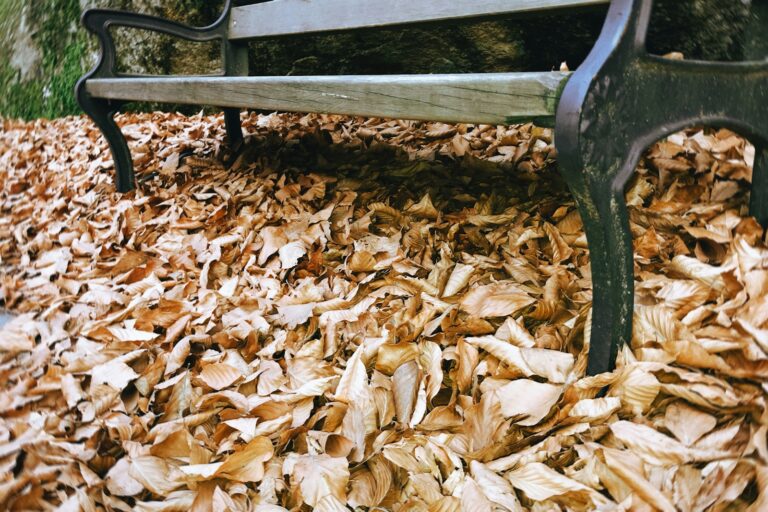
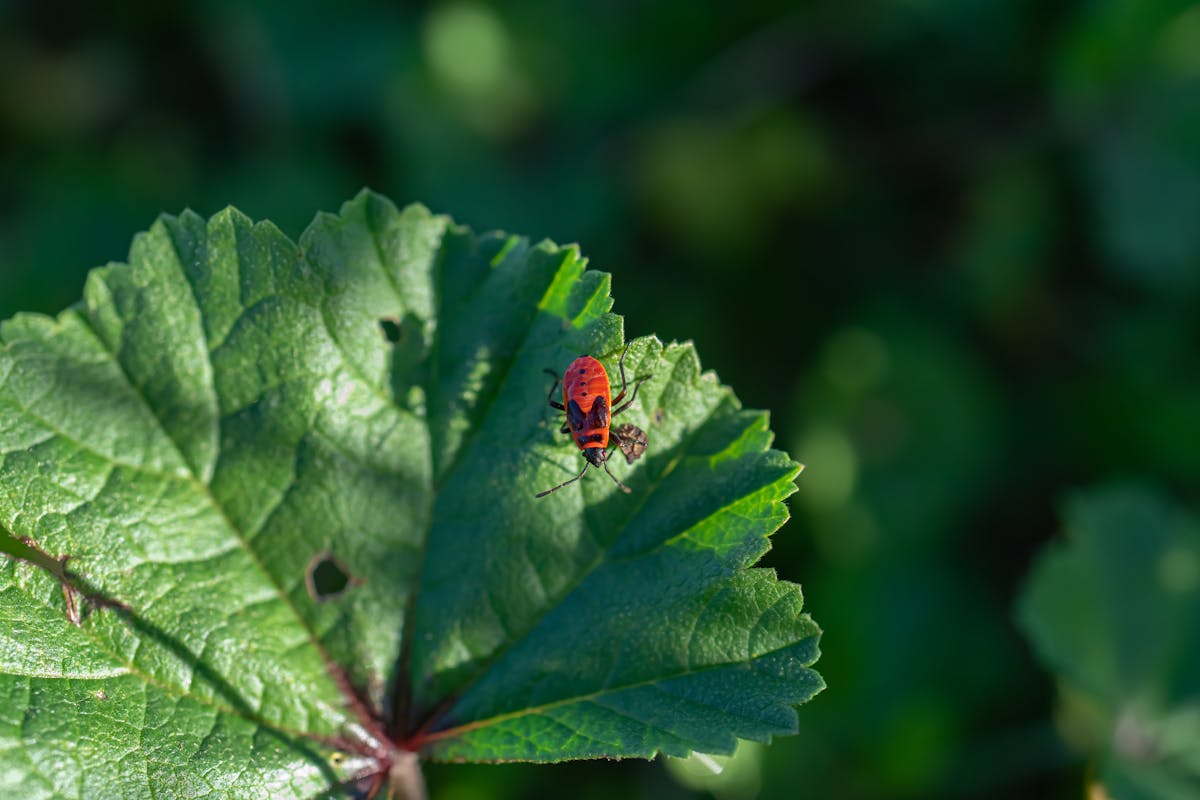
When spring arrives, many of us are tempted to jump straight into planting. However, cleaning your yard is an essential step that can prevent a host of summer pests, including mosquitoes, ticks, and even some garden-destroying insects. During the winter months, leaves, debris, and other organic materials accumulate in your yard, creating the perfect habitat for pests to thrive.
Insects like mosquitoes love to breed in standing water, while ticks can hide in tall grass and leaf litter. By addressing these conditions early on, you can significantly reduce the likelihood of a pest invasion later in the season.
Timing Is Everything
The ideal time for yard clean-up varies by region, but generally, it’s best to tackle this task as soon as the snow has melted and the ground is workable, but before any significant planting begins. For many parts of North America, this means mid to late March or early April. In areas with milder winters, you may be able to start as early as late February.
If you’re unsure about when to begin, pay attention to the weather; aim for a dry day when the soil is not overly saturated. This will make it easier to remove debris and prepare your garden beds for planting.
Key Yard Clean-Up Tasks
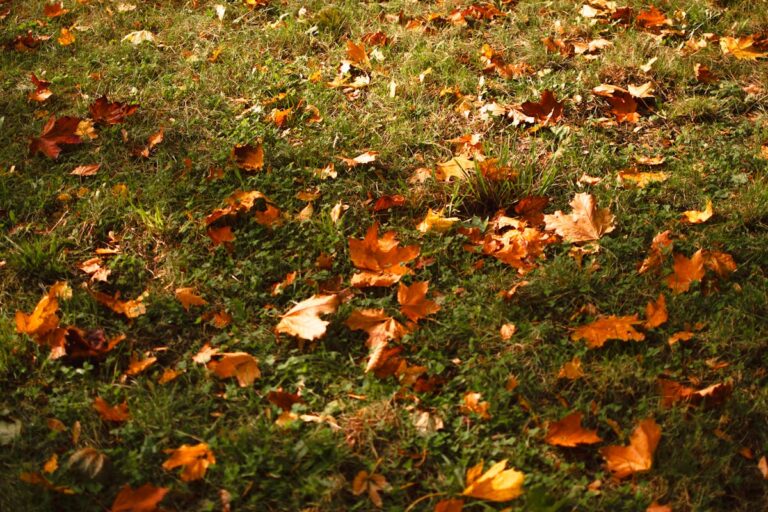
1. Remove Debris: Start by raking up leaves, sticks, and any other debris that has accumulated over the winter. This not only tidies up your yard but also eliminates habitats for pests.
2. Clear Standing Water: Check for any areas where water may have pooled or collected. Empty birdbaths, flower pots, and other containers that can hold water. Mosquitoes can lay their eggs in as little as a tablespoon of stagnant water.
3. Trim Overgrown Plants: Prune back any perennials or shrubs that have become overgrown. This not only promotes healthy growth but also reduces hiding spots for pests.
4. Mow the Lawn: If you have grass that has started to grow, give it a trim. Keeping your lawn well-mowed can help deter ticks and other pests that prefer tall grass.
5. Mulch Your Beds: Applying a layer of mulch to your garden beds can help suppress weeds and create a barrier for pests. Organic mulches like wood chips or straw can also improve soil health as they break down.
6. Inspect and Repair: Check your garden structures, such as fences and trellises, for any signs of damage. Repairing these structures not only improves aesthetics but can also prevent pests from finding entry points into your garden.
7. Consider Natural Deterrents: Some plants naturally repel insects. Planting marigolds, lavender, or basil can help keep unwanted bugs at bay while adding beauty and fragrance to your garden.
Common Mistakes to Avoid
While yard clean-up may seem straightforward, there are a few common pitfalls to watch out for:
Rushing the Process: Take your time to thoroughly clean your yard. Skipping steps can leave hiding spots for pests and reduce the effectiveness of your clean-up efforts.
Overusing Chemicals: It’s tempting to reach for chemical pesticides, but these can harm beneficial insects and disrupt the ecosystem in your garden. Focus on natural solutions and preventive measures instead.
Neglecting the Lawn: Don’t forget about your lawn during clean-up. A healthy lawn can act as a barrier against pests, while a neglected one can become a breeding ground.
Ignoring the Perimeter: Many pests enter your garden from the surrounding areas. Ensure that your yard clean-up extends to the edges of your property, where weeds and overgrowth can invite pests in.
Ongoing Maintenance
Once your yard is clean and ready for planting, maintaining it throughout the season is crucial for keeping pests at bay. Regularly check for signs of insect activity, and continue to remove debris and standing water.
Additionally, consider implementing companion planting strategies, which can help deter pests naturally. For example, planting garlic among your flowers can repel aphids, while interspersing herbs like rosemary can fend off various insects.
As you enjoy the fruits of your labor this summer, don’t forget the importance of early-spring yard clean-up. By taking the time to prepare your outdoor space now, you’ll create a healthier environment for your plants and significantly reduce the risk of pesky summer bugs. So grab your rake and get started—you’ll thank yourself later when your garden flourishes free from unwanted visitors!