Spring Cleanup Myths: What You Can Safely Delay Until Warmer Weather
As spring approaches, the gardening community buzzes with excitement for the season ahead. However, the traditional notion of spring cleanup can be overrated. While it’s tempting to dive into the garden as soon as the snow melts, there are several tasks that can actually wait until the weather warms up. Here’s a guide on what you can leave for later and why it might be beneficial.
Understanding the Spring Cleanup Frenzy
Spring cleanup often entails removing dead foliage, pruning, and tidying up your garden beds. While these tasks can help prepare your garden for the growing season, there are several reasons to reconsider the rush to clean up:
1. Wildlife Habitat: Many beneficial insects, such as bees and ladybugs, use dead plant material as habitat or shelter during the colder months. Leaving some debris can provide essential winter homes for these creatures, aiding in pollination and pest control in the warmer months.
2. Soil Health: Leaving fallen leaves and plant debris can contribute to a healthy ecosystem within your soil. As they decompose, they add organic matter and nutrients, boosting soil fertility and structure.
3. Frost Sensitivity: In many regions, especially those in USDA zones 5 and colder, there’s still a chance of frost even into late April or early May. Removing tender perennials or early blooms too soon can expose them to cold damage.
What to Leave Until Warmer Days
Here are some specific gardening tasks that can be safely delayed until the weather is more consistently warm:
1. Cutting Back Perennials
Many gardeners instinctively cut back perennials in early spring. However, it’s often better to wait until the danger of frost has passed. Leaving the old growth can protect the new shoots from late frosts and can also provide a visual reminder of where plants will emerge. Wait until you see new growth pushing through the soil before cutting back the previous year’s stems.
2. Pruning Shrubs and Trees
While some pruning can be done in late winter or early spring, many flowering shrubs, especially those that bloom on old wood, should be pruned after they finish flowering. This includes popular plants like lilacs and forsythia. If you prune too early, you risk cutting off the buds that will produce flowers. If you’re uncertain, research the specific pruning needs for your plants or consult a local gardening expert.
3. Cleaning Up Leaves and Debris
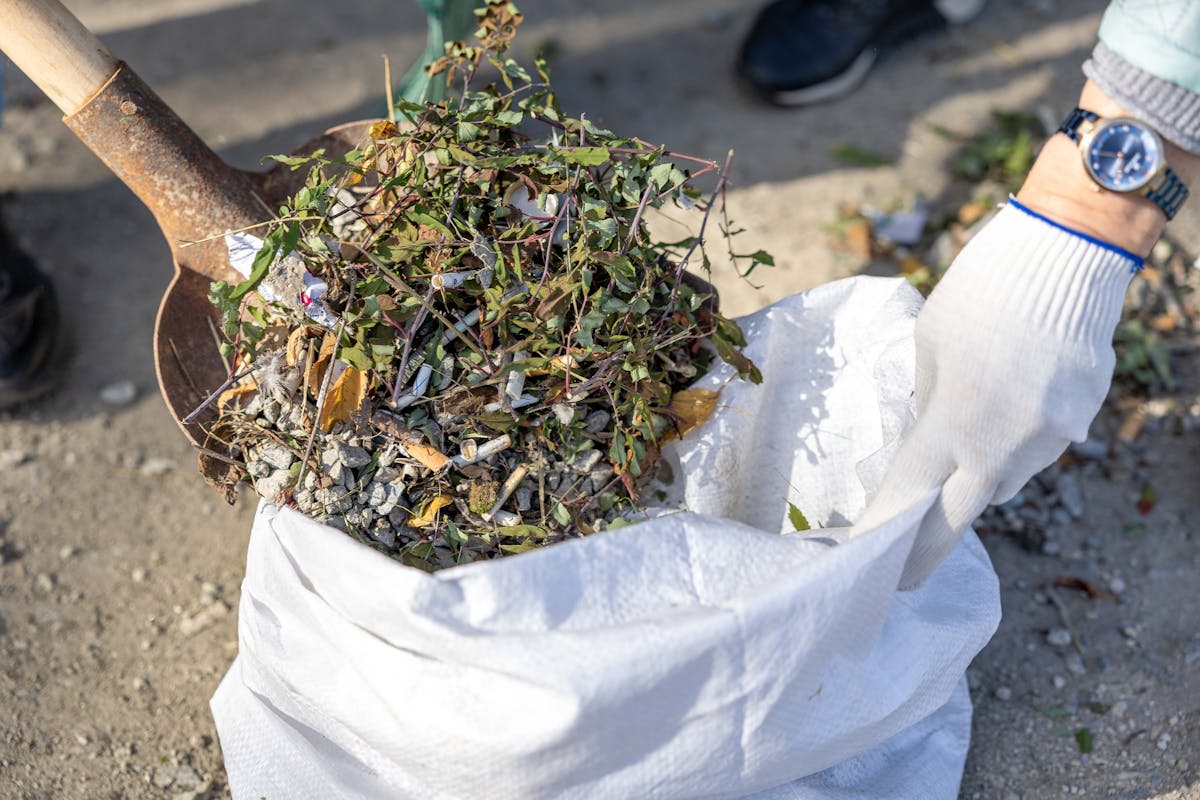
While it might be tempting to remove all fallen leaves and plant debris, consider leaving some in place. Not only do they provide habitat for beneficial insects, but they can also serve as mulch, helping to retain moisture and suppress weeds as they break down. If you must clean, focus on removing debris that could harbor pests or diseases, but leave the rest for nature to do its job.
4. Dividing Perennials
Dividing perennials is best done in the fall or early spring, but it can be risky if done too early. If the soil is still cold and plants are not actively growing, they may not recover well from the shock of division. Wait until the soil warms up and the plants show clear signs of growth.
5. Reseeding and Planting Annuals
In many areas, especially those in USDA zones 3-5, the soil can remain too cold for new seeds to germinate effectively until late spring. Consider waiting until the soil temperature reaches at least 60°F for successful germination. For annual plants, wait until after the last frost date in your area before planting them outdoors.
6. Fertilizing
Applying fertilizer too early can lead to nutrient runoff and may encourage weak growth that can be damaged by frost. It’s usually best to wait until plants are actively growing and the risk of frost has passed, allowing them to absorb nutrients effectively.
Common Mistakes to Avoid
As you reconsider your spring cleanup routine, here are a few common mistakes to avoid:
Rushing to Prune: Always take the time to identify whether the plant blooms on old or new wood before pruning.
Cleaning Too Much: Remember that nature has its own rhythm. Leaving some organic material can benefit the garden ecosystem.
Ignoring Weather Patterns: Stay updated on local weather forecasts. If an unexpected cold snap is predicted, be prepared to protect your plants.
Overfertilizing: More isn’t always better. Follow guidelines specific to your plants and soil type to avoid nutrient imbalances.
Final Thoughts
Spring is a time of renewal, but that doesn’t mean you have to rush into your garden cleanup. By understanding what tasks can wait until the weather warms up, you can create a more resilient garden ecosystem and give your plants the best chance to thrive. Take a deep breath, enjoy the beauty of the season, and let nature guide your gardening decisions. Happy gardening!