“Spring Plant Care: The Essential Pre-Watering Checklist Every Gardener Should Know”
As spring arrives and the days grow longer, many gardeners are eager to dive into their outdoor spaces, nurturing their plants back to life after winter’s chill. However, before you grab that watering can or turn on the garden hose, there are some critical checks you should perform to ensure that your plants receive the right care. Proper watering is vital for your plants’ health, and a few simple steps can make a significant difference. Here’s what you need to consider.
Understanding Soil Moisture
One of the most common mistakes home gardeners make in the spring is watering without checking the soil moisture first. Just because the calendar says spring doesn’t mean your soil is dry and thirsty.
How to Check Soil Moisture:
1. Use Your Finger: Stick your index finger about an inch into the soil. If it feels dry at that depth, it’s time to water. If it’s still moist, hold off for a few days.
2. Soil Moisture Meter: For a more precise measurement, consider investing in a soil moisture meter. This handy tool can give you an accurate reading of the moisture level in your soil.
3. Visual Inspection: Look for signs of wilting or drooping leaves. However, be cautious; some plants may wilt due to other stress factors.
Knowing Your Plants’ Needs
Different plants have different water requirements. While some may thrive in consistently moist soil, others prefer to dry out between waterings.
Grouping Plants by Water Needs:
High Water Users: Vegetables such as tomatoes and peppers, and flowering plants like begonias and petunias.
Moderate Water Users: Most perennials, herbs, and annuals like zinnias and marigolds.
Low Water Users: Succulents, cacti, and some native plants that thrive in drier conditions.
Organizing your garden by grouping plants with similar watering needs can simplify your watering routine and prevent over or under-watering.
Timing Your Watering
The timing of your watering can significantly impact its effectiveness.
Best Practices for Watering:
Early Morning: Watering in the early morning allows plants to absorb moisture before the heat of the day causes evaporation.
Avoid Midday: Watering during midday can lead to rapid evaporation and may also stress the plants due to temperature shock.
Evening Caution: If watering in the evening, ensure it’s early enough for foliage to dry before nightfall to prevent fungal diseases.
Checking for Drainage Issues
Before watering, it’s essential to consider your garden’s drainage. Poor drainage can lead to waterlogged soil, which can suffocate plant roots and promote root rot.
How to Assess Drainage:
1. Observe After Rain: After a heavy rain, check how quickly the water drains away. If puddles linger for hours, you may need to improve drainage.
2. Soil Test: Dig a small hole about 12 inches deep and fill it with water. If it takes more than a few hours to drain, you might need to amend your soil with organic matter or consider raised beds.
Seasonal Adjustments
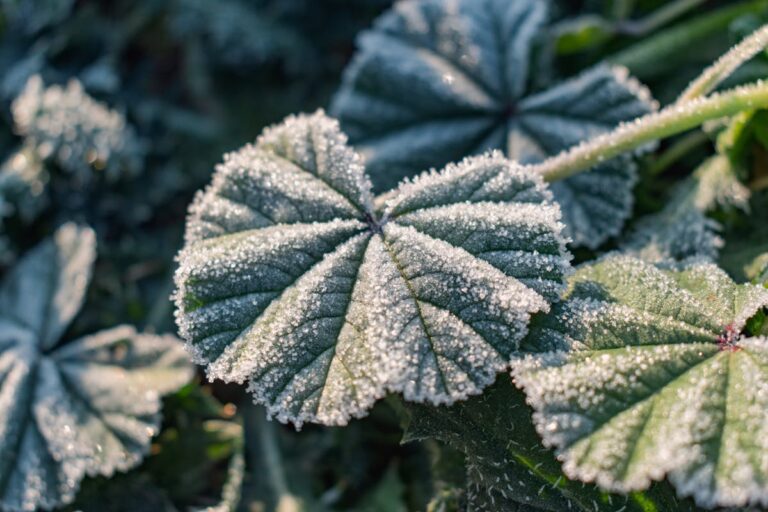
As spring progresses, your watering routine may need to adapt. In cooler areas, like USDA zones with late frosts, plants may not need as much water initially. Watch for signs of growth and adjust accordingly.
Observe Seasonal Changes:
Temperature Fluctuations: As temperatures rise, plants will require more water. Be attentive to weather changes and adjust your watering schedule based on rainfall and temperature.
Plant Growth Stages: Newly planted seedlings and transplants may need more frequent watering until established, while mature plants may be more resilient.
Common Mistakes to Avoid
As you prepare to water your garden this spring, here are some common pitfalls to watch out for:
1. Overwatering: This is often more damaging than underwatering. Always check the soil moisture before watering.
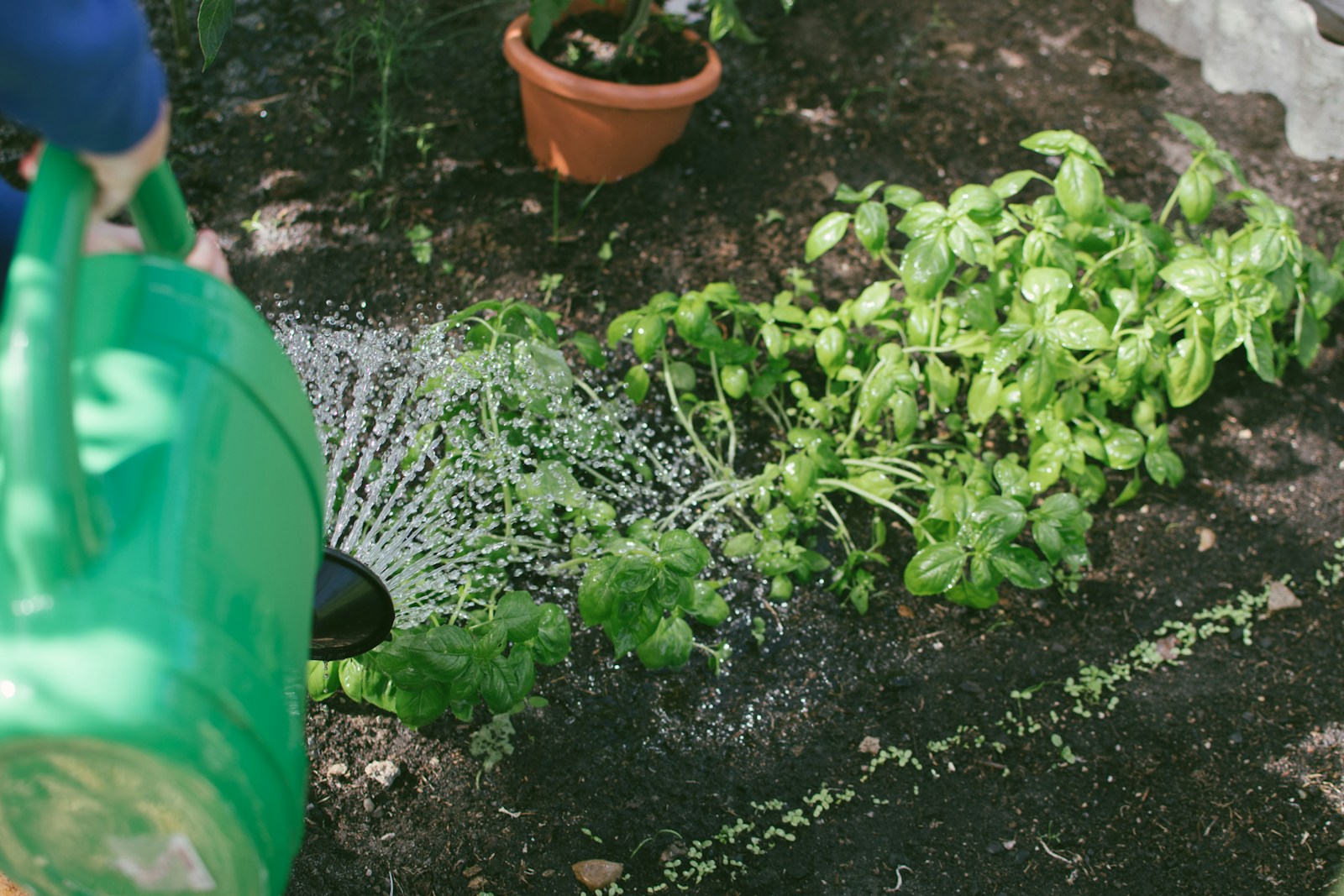
2. Watering Leaves: Aim to water at the base of the plant. Wet foliage can lead to fungal diseases.
3. Ignoring Climate Conditions: Be aware of wind and sun exposure; these can dry out soil faster than you might expect.
Adapting to Your Garden’s Unique Conditions
Every garden is unique, and factors like soil type, plant selection, and local climate will influence how you manage your watering. Take the time to observe your garden and adjust your practices accordingly.
Keep a Gardening Journal: Documenting your watering habits, plant growth, and weather patterns can help you refine your approach over time.
Conclusion
Before you dive into watering your plants this spring, take a moment to assess your garden’s conditions. By checking soil moisture, understanding your plants’ needs, timing your watering appropriately, and avoiding common mistakes, you can set your garden up for a thriving season. Happy gardening!