Spring Surprises: Quick Tips to Prep Your Garden Before the Bloom
As the chill of winter gives way to the gentle warmth of spring, many gardeners may find themselves in a race against time. If spring has arrived but your garden isn’t ready, don’t fret! With a little planning and some practical steps, you can prepare your garden for the growing season ahead. Here’s how to get your garden back on track.
Assess Your Garden Space
The first step in preparing your garden for spring is to assess the space. Take a stroll through your garden to evaluate the state of your soil and existing plants. Are there any areas that need weeding or clearing? Check for debris left over from winter, such as fallen branches, leaves, and any dead plant material. Removing this clutter not only makes your garden look tidy but also reduces the risk of pests and diseases.
If you notice any perennials that have started to sprout, be careful not to disturb them as you clean. Instead, focus on areas that are overgrown or in need of revitalization. This is also a great time to take stock of any plants that didn’t survive the winter, as their removal will make space for new growth.
Test and Amend Your Soil
Healthy soil is the foundation of a thriving garden. If you haven’t done so recently, consider testing your soil to determine its pH and nutrient levels. Many local extension services offer soil testing kits for a nominal fee, or you can purchase one at a gardening store.
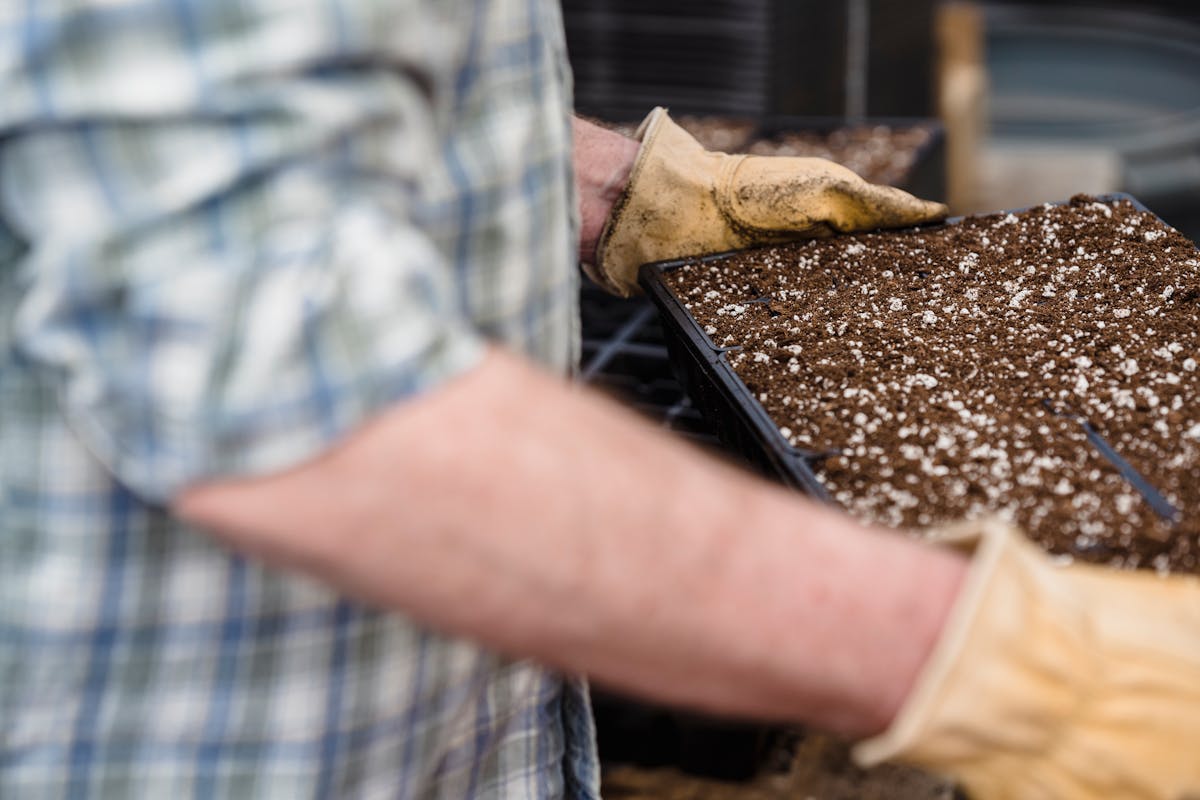
Once you understand your soil’s needs, you can amend it accordingly. Common amendments include compost, peat moss, or well-rotted manure. Mixing in organic matter improves soil structure, enhances drainage, and provides essential nutrients for your plants. Aim to enrich your soil a few weeks before planting to give it time to settle.
Get Your Seeds and Plants Ready
Now that your space is clear and your soil is primed, it’s time to think about what you want to plant. If you’re starting from seeds, check your seed packets for the recommended planting times. Many seeds can be started indoors a few weeks before the last frost date in your area, giving them a head start. Consider using a seedling heat mat to ensure optimal germination.
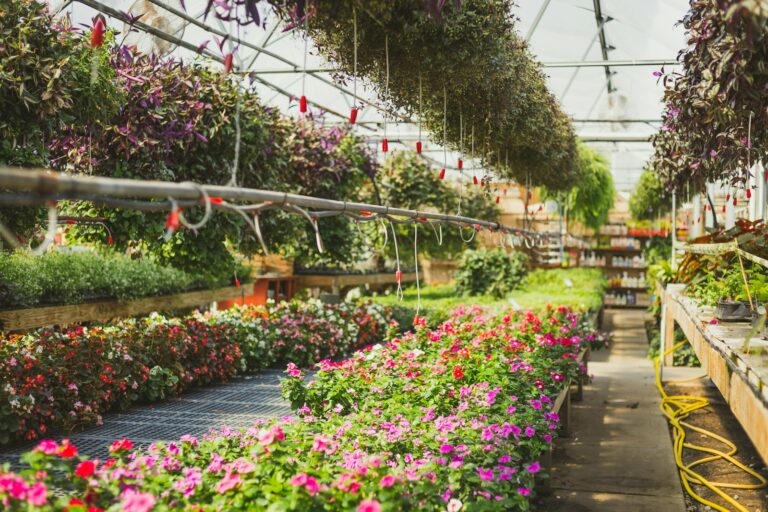
If you’re opting for nursery plants, be sure to choose varieties that are appropriate for your USDA zone. Visit your local garden center to find healthy plants that are suited to your climate. Pay attention to the plant’s tags for information on sunlight and watering needs.
Prepare for Planting
When the time comes to plant, ensure that the risk of frost has passed. In many regions, this can be around mid to late April, but it varies based on your location. If you find that temperatures are still dipping, consider using row covers or cloches to protect your young plants from unexpected cold snaps.
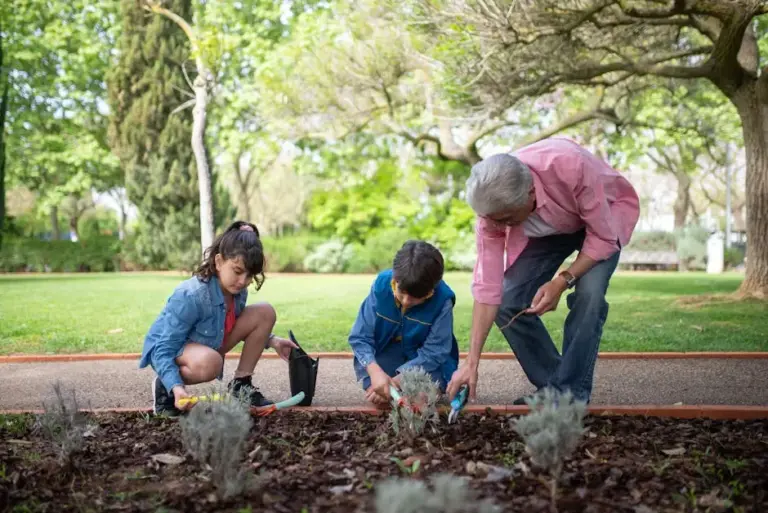
When planting, dig holes that are slightly larger than the root ball of each plant. This will allow for better root expansion. Space your plants according to their needs—crowding can lead to competition for nutrients and light. As you plant, consider using a starter fertilizer to give your plants an initial boost.
Watering Wisely
After planting, watering becomes critical. Newly planted seeds and seedlings need consistent moisture to establish their roots. Water them gently and deeply, ensuring that the water penetrates the soil rather than just wetting the surface. A good rule of thumb is to water early in the morning or late in the afternoon to reduce evaporation.
Be cautious not to overwater, as soggy soil can lead to root rot. Check the moisture level of your soil regularly, especially during dry spells. A layer of mulch can help retain moisture and suppress weeds, making your garden easier to manage.
Monitor for Pests and Diseases
As your garden comes to life, keep a watchful eye for pests and diseases. Early spring is a time when pests can emerge, so be proactive in monitoring your plants. Look for signs of damage, such as chewed leaves or discolored stems. If you spot any issues, identify the problem and treat it promptly. This may involve using organic pest control methods or introducing beneficial insects like ladybugs to your garden.
Additionally, good garden hygiene can prevent many diseases. Avoid overhead watering, which can encourage fungal diseases, and always use clean tools to avoid spreading pathogens.
Plan for Maintenance
Finally, don’t forget that a thriving garden requires ongoing maintenance. Schedule regular tasks such as weeding, deadheading (removing spent flowers), and pruning. Keeping up with these tasks can prevent overwhelming backlogs as the season progresses.
Also, consider planting a mix of annuals and perennials to extend the blooming season and create a vibrant garden throughout the year. Companion planting can also enhance growth and deter pests naturally.
In summary, while an early spring can catch you off guard, it doesn’t have to derail your gardening plans. By assessing your garden, amending your soil, preparing your plants, watering wisely, monitoring for issues, and planning for maintenance, you can ensure a successful and fruitful growing season. Embrace the beauty of spring and enjoy watching your garden flourish!