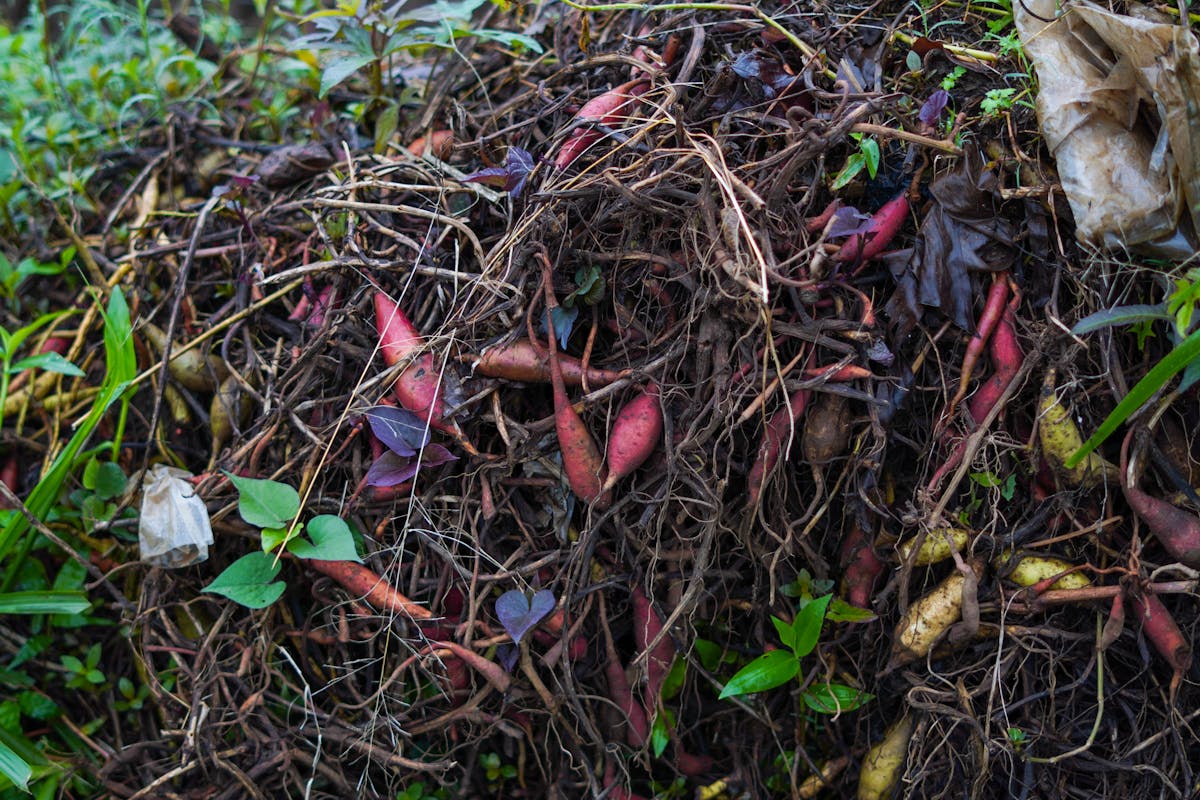
Stop Attracting Rodents: The Composting Mistake Every Gardener Should Avoid
Creating a thriving garden often begins with a rich, nutrient-filled compost pile. However, many gardeners inadvertently create an inviting environment for unwanted pests, particularly rats. If you’ve been struggling with these furry intruders in your compost, you might be making a common mistake. Let’s explore what this mistake is, how to fix it, and best practices for maintaining a pest-free compost system.
The Allure of Compost
Composting is a fantastic way to recycle kitchen scraps and yard waste into valuable organic matter that enriches your garden soil. Composting not only reduces waste but also fosters a healthy ecosystem in your garden by promoting beneficial microorganisms. However, it can quickly turn into a nightmare if not managed properly.
The Compost Mistake
One of the most significant mistakes gardeners make is adding inappropriate materials to their compost pile. While you might think throwing in leftover food scraps is harmless, certain items can attract rats and other pests. Here are some common culprits that can lead to an infestation:
1. Meat and Dairy Products: These materials are particularly attractive to rodents. The high fat content and strong odors make them irresistible, leading rats to dig in, not just to your compost, but potentially into your garden too.
2. Cooked Foods: Similar to meat and dairy, cooked food can attract pests. Even leftover pizza or pasta can draw in rats, as they seek out easy sources of nourishment.
3. Fruit Peels and Rinds: While composting fruit scraps is generally fine, overripe or rotting fruits can emit strong odors that attract pests. If you’re composting a lot of fruit, balance it with dry materials to reduce the smell.
4. Pet Waste: This one is often overlooked. Dog or cat feces can introduce pathogens and parasites into your compost, making it unsafe to use in your garden.
5. Weeds with Seeds: Adding weeds that have gone to seed can also invite trouble. If your compost is not hot enough to kill the seeds, you may end up with a weed problem in your garden.
How to Prevent Rat Infestations
To keep your compost pile healthy and pest-free, consider these practical tips:
1. Choose the Right Materials: Stick to plant-based kitchen scraps, coffee grounds, eggshells, and yard waste like grass clippings, leaves, and small branches. Avoid adding meat, dairy, and cooked foods.
2. Maintain the Right Balance: A successful compost pile requires a good mix of “greens” (nitrogen-rich materials like vegetable scraps) and “browns” (carbon-rich materials like dried leaves and cardboard). This balance helps the compost break down efficiently and reduces odors that can attract pests.
3. Aerate Your Compost: Regularly turning your compost pile helps aerate it, which speeds up decomposition and minimizes smells. Aim to turn your compost every few weeks to maintain airflow.
4. Keep It Covered: Use a compost bin or cover your pile with a tarp to deter rodents. A closed bin can also help regulate temperature and moisture levels, promoting faster decomposition.
5. Monitor Moisture Levels: Compost should be moist but not soggy. Excess moisture can lead to odors that attract pests. If your compost is too wet, add dry materials like straw or shredded paper to soak up the moisture.
6. Use Traps or Deterrents: If you’re already facing a rat problem, consider using traps or natural deterrents like peppermint oil around the perimeter of your compost area.
7. Location Matters: Place your compost bin away from fences, bushes, or other structures that rats can use as cover. Keeping it in the open can make it less appealing for these pests.
What to Do If You Spot Rats
If you notice signs of rat activity around your compost, such as droppings or gnaw marks, take immediate action:
1. Stop Adding New Materials: Cease adding materials to your compost until you resolve the issue. This will help minimize further attraction for rats.
2. Inspect and Clean: Remove any items that may be attracting the rats, such as food scraps or spoiled materials. Clean the area around your compost bin to eliminate any food sources.
3. Set Traps: If you’re comfortable doing so, set traps around the compost area. Be sure to follow local guidelines for humane rodent control.
4. Consult a Professional: If the problem persists and you’re unsure how to handle it, consider contacting a pest control professional. They can provide additional strategies tailored to your specific situation.
The Benefits of a Healthy Compost Pile
With the right practices in place, your compost pile can become a powerhouse for your garden. Not only will it enrich your soil, but it will also reduce waste and promote a thriving ecosystem. By avoiding the common mistakes that attract rats, you can enjoy the many benefits of composting without the worry of unwelcome visitors.
As you embark on your composting journey, remember that it’s all about balance and management. With a little care and attention, you can create a compost pile that benefits both your garden and the environment—free from pests and full of potential. Happy composting!