Stop Buying These 8 Seedlings: Here’s How to Grow Them Yourself
Growing your own plants from seed is a rewarding and often cost-effective way to enhance your garden. While it might be tempting to buy pre-grown seedlings at the nursery, many of these plants are surprisingly easy to start from seed. In this article, we’ll explore eight common seedlings that you should stop buying and teach you how to grow them yourself instead. Not only will you save money, but you’ll also gain a deeper connection to your garden.
Tomatoes
Tomatoes are a staple in many gardens, but they can often be pricey at the nursery. Instead, consider starting your own from seed. Begin by sowing seeds indoors 6 to 8 weeks before the last frost date in your area, ideally in peat pots or seed trays filled with a light seed-starting mix. Keep them in a warm spot (around 70–75°F) and ensure they get plenty of light. Once seedlings have two sets of true leaves, transplant them into larger pots. Harden them off by gradually exposing them to outdoor conditions before planting them in your garden.
Peppers
Like tomatoes, peppers are another garden favorite that can be expensive when purchased as seedlings. They also require a long growing season, so start your seeds indoors 8 to 10 weeks before the last frost. Use a seed-starting mix and keep the soil consistently moist. Peppers thrive in warm conditions, so maintain temperatures at around 75–80°F. When the seedlings are about 3 inches tall and have several sets of leaves, you can begin the hardening-off process before moving them to the garden.
Basil
Basil is a culinary herb that’s easy to grow from seed. Start your basil seeds indoors 4 to 6 weeks before the last frost date, or sow them directly in the garden after the danger of frost has passed. Use seed trays filled with a quality seed-starting mix, and keep the soil warm and moist. Once seedlings have a couple of sets of true leaves, you can thin them out to allow for better air circulation. If you’re growing basil indoors, place them near a sunny window or under grow lights.
Cucumbers
Cucumbers are a popular summer vegetable that can be easily grown from seed. Sow cucumber seeds directly in the garden after the last frost date, or start them indoors 3 to 4 weeks prior to that. If starting indoors, use biodegradable pots that can be planted directly in the soil. Ensure they receive plenty of sunlight and water consistently to keep the soil moist but not waterlogged. When transplanting, give them plenty of space (about 36 inches apart) as they will spread out.
Squash
Both summer and winter squash can be grown from seed with ease. Start seeds indoors 3 to 4 weeks before the last frost or sow them directly in the garden once the soil is warm (at least 70°F). Use large, deep pots if starting indoors, as squash plants have extensive root systems. Ensure they have plenty of sunlight and water regularly. When transplanting outdoors, provide ample space (2 to 3 feet apart) for each plant to grow.
Lettuce
Lettuce is a fast-growing leafy green that can be sown directly in your garden. You can start planting seeds as soon as the soil can be worked in early spring. For a continuous harvest, sow seeds every couple of weeks until the weather gets too hot. Lettuce enjoys cooler temperatures, so be mindful of the timing in your USDA zone. Keep the soil consistently moist and consider using shade cloth during the hottest part of the summer to prolong your harvest.
Zinnias
Zinnias are vibrant annual flowers that attract pollinators and add color to your garden. Instead of purchasing seedlings, you can easily grow them from seed by sowing them directly in the garden after the last frost date. Plant seeds about 1 inch deep and 12 inches apart in well-draining soil. They thrive in full sun and will bloom in about 60 days. Regular watering and deadheading spent flowers will encourage more blooms throughout the season.
Sunflowers
Sunflowers are not only beautiful but also functional as they attract bees and other beneficial insects to your garden. They are simple to grow from seed. Plant sunflower seeds directly in the ground after the last frost date, spacing them about 6 inches apart. They love full sun, so choose a location that receives at least 6 to 8 hours of direct sunlight. Sunflowers grow quickly, so you should see sprouts within a week. Water them regularly and stake taller varieties to prevent them from toppling over in the wind.
Tips for Success
Starting your own seedlings can be a fun and fulfilling endeavor. Here are some quick tips to ensure your success:
1. Quality Seeds: Choose high-quality seeds from reputable sources for the best germination rates.
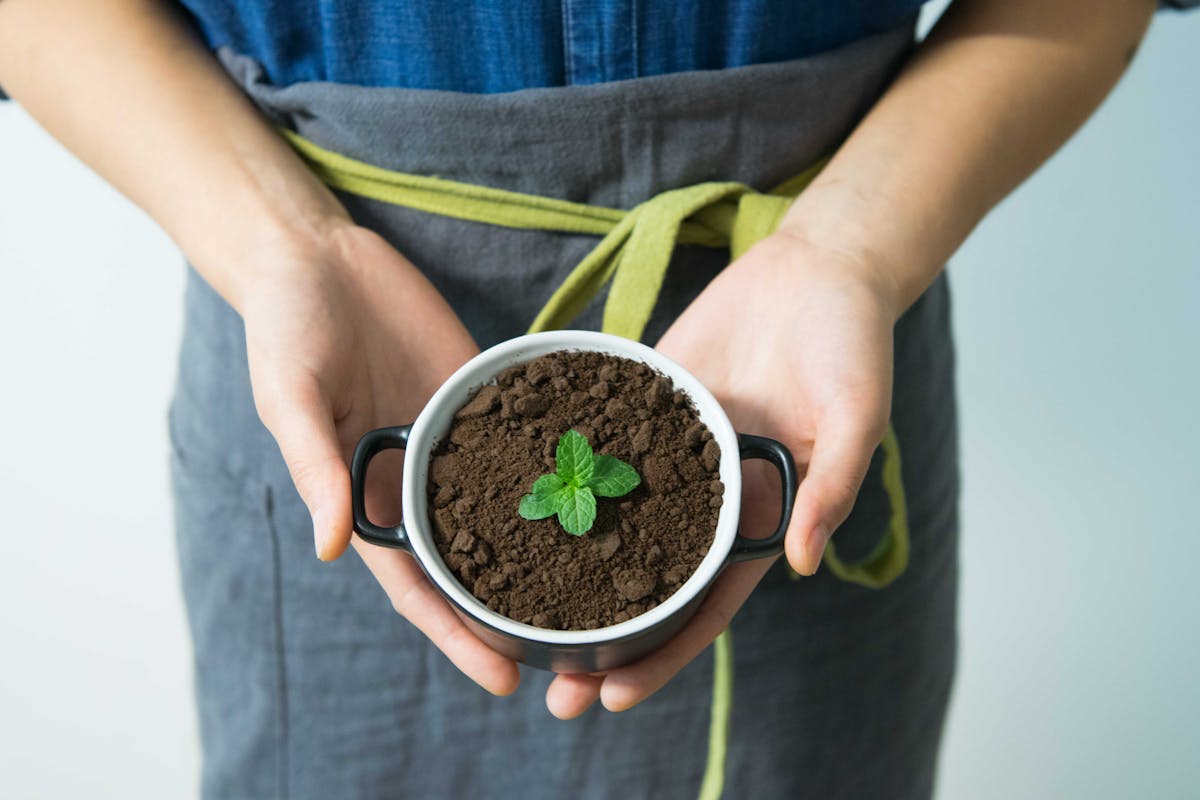
2. Soil Matters: Use a light, well-draining seed-starting mix rather than garden soil to prevent damping off and encourage healthy root growth.
3. Temperature Control: Maintain the ideal temperature for germination, and once seedlings emerge, provide adequate light to prevent leggy growth.
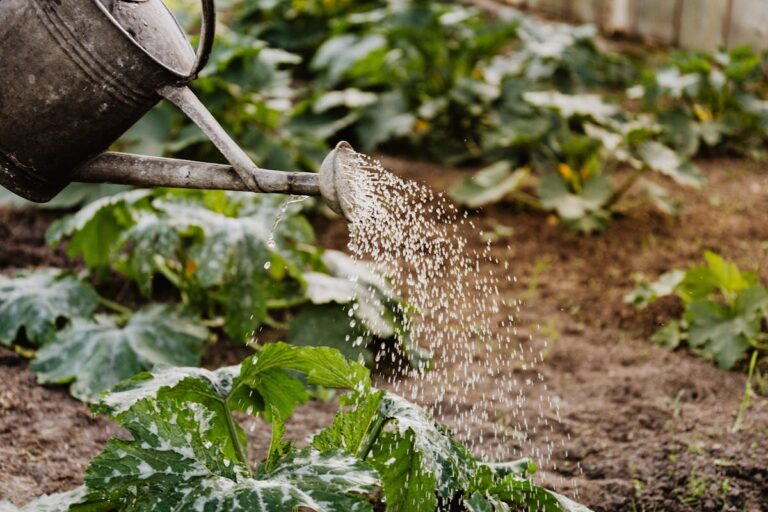
4. Watering Wisely: Keep the soil consistently moist but never soggy. Overwatering can lead to root rot and other issues.
5. Hardening Off: Gradually acclimate seedlings to outdoor conditions by placing them outside for a few hours each day, increasing the time over a week or two.
Growing these seedlings from seed not only saves you money but also gives you a sense of accomplishment and connection to your garden. With a little patience and care, you’ll enjoy the fruits (or vegetables) of your labor in no time!