Stop Misting Your Plants This Winter, It Can Cause This Problem
As the temperatures drop and the days grow shorter, many indoor plant lovers turn to misting as a way to provide moisture to their beloved greenery. However, this common practice during the winter months can lead to more harm than good. If you want to keep your houseplants healthy and thriving, here’s why you should avoid misting them in winter and what alternatives you can implement instead.
Understanding Indoor Humidity
During winter, indoor environments often become dry due to heating systems that pull humidity from the air. Many gardeners believe that misting plants can help counteract this dryness, but it’s important to understand how misting works. When you mist a plant, you’re only temporarily increasing the humidity around the leaves. This moisture evaporates quickly, especially in a heated indoor space, leaving little long-term benefit.
Moreover, misting can create an environment conducive to fungal diseases. The water droplets can linger on the leaves, especially in cooler temperatures, leading to the development of mold and mildew, which can be detrimental to plant health.
The Risks of Misting in Winter
1. Fungal Infections: One of the biggest risks associated with misting indoor plants during winter is the potential for fungal infections. When water sits on the leaves without evaporating, it creates a damp environment perfect for mold and mildew to thrive. This can lead to unsightly spots on leaves and can even cause them to drop prematurely.
2. Leaf Damage: Cold water droplets can also shock the leaves if misted when the temperature is low. This may lead to leaf burn or browning, particularly on sensitive foliage.
3. Nutrient Leaching: Frequent misting can wash away essential nutrients present in the leaf surface, which can affect the plant’s overall health. While plants do absorb some moisture through their leaves, the majority of their hydration and nutrient uptake occurs through the roots.
Alternatives to Misting
Instead of misting, consider these alternatives to maintain humidity and moisture for your indoor plants during winter:
1. Use a Humidifier: One of the most effective ways to increase humidity is by using a room humidifier. This not only benefits your plants but also helps maintain comfort for you in your living space. Aim for a humidity level of around 40-60%, which is ideal for most houseplants.
2. Group Your Plants: Placing plants close together can create a mini microclimate with increased humidity. As plants transpire, they release moisture into the air, which can benefit neighboring plants.
3. Pebble Trays: Fill a shallow tray with pebbles and add water until it just covers the stones. Place your plant pots on top of the pebbles. As the water evaporates, it will increase the humidity around the plants without the risks associated with direct misting.
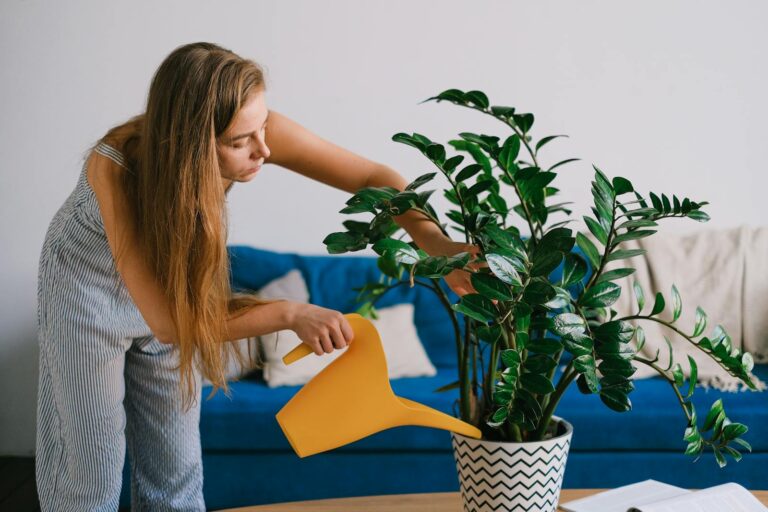
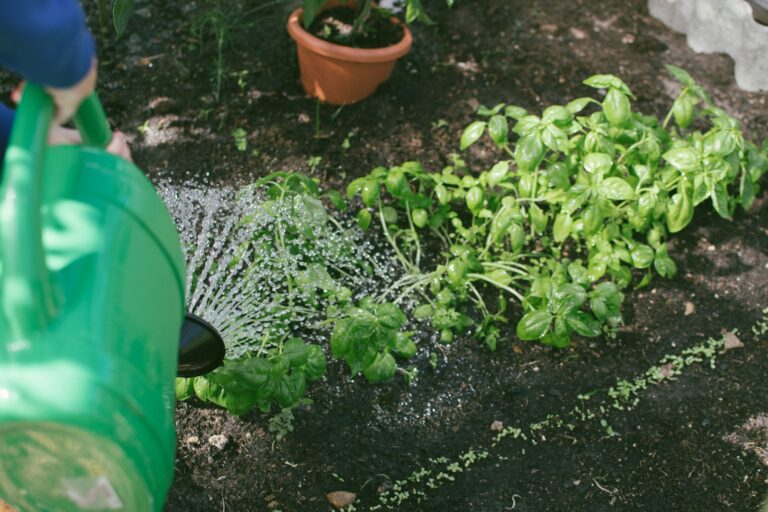
4. Watering Wisely: Ensure that you’re watering your plants appropriately. Most houseplants need less water in winter due to lower light levels and cooler temperatures. Always check the top inch of soil; if it’s dry, it’s time to water. Overwatering can lead to root rot, which is another issue to avoid during the winter months.
5. Monitor Temperature: Keep an eye on temperature fluctuations in your home. Avoid placing plants near heat sources like radiators or vents, as this can dry them out quickly. Instead, find a spot with consistent temperatures and indirect light.
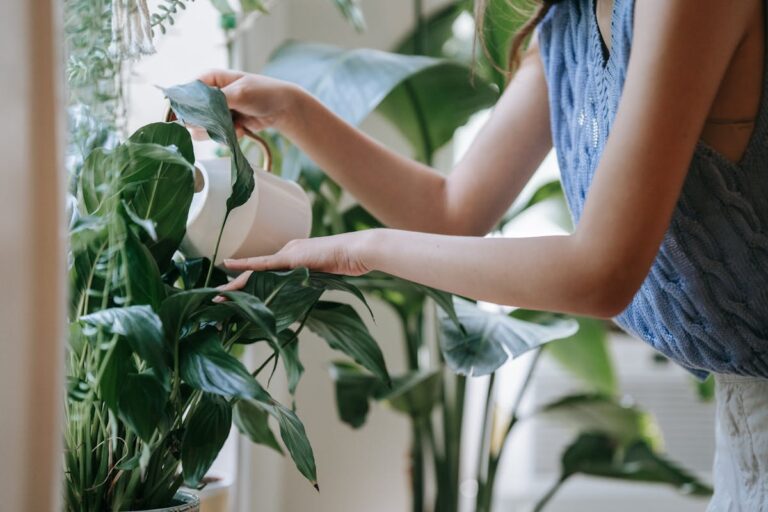
6. Leaf Care: Instead of misting, use a damp cloth to gently wipe the leaves of your plants. This will remove dust and debris while providing a bit of moisture without the risks associated with misting.
When to Reassess
As winter transitions into spring, it’s a good time to reassess your plant care routine. As temperatures rise and humidity levels change, you may find that your plants benefit from different care techniques. Keep an eye on your plants, and if you notice any signs of distress, such as yellowing leaves or stunted growth, consider adjusting your watering and humidity strategies.
In summary, while it may seem intuitive to mist your plants during the dry winter months, this practice can lead to more problems than it solves. Instead, consider the alternatives that will keep your plants happy and healthy without risking fungal issues or leaf damage. With a little attention to humidity and proper care, your indoor plants can thrive all winter long.
Happy gardening!