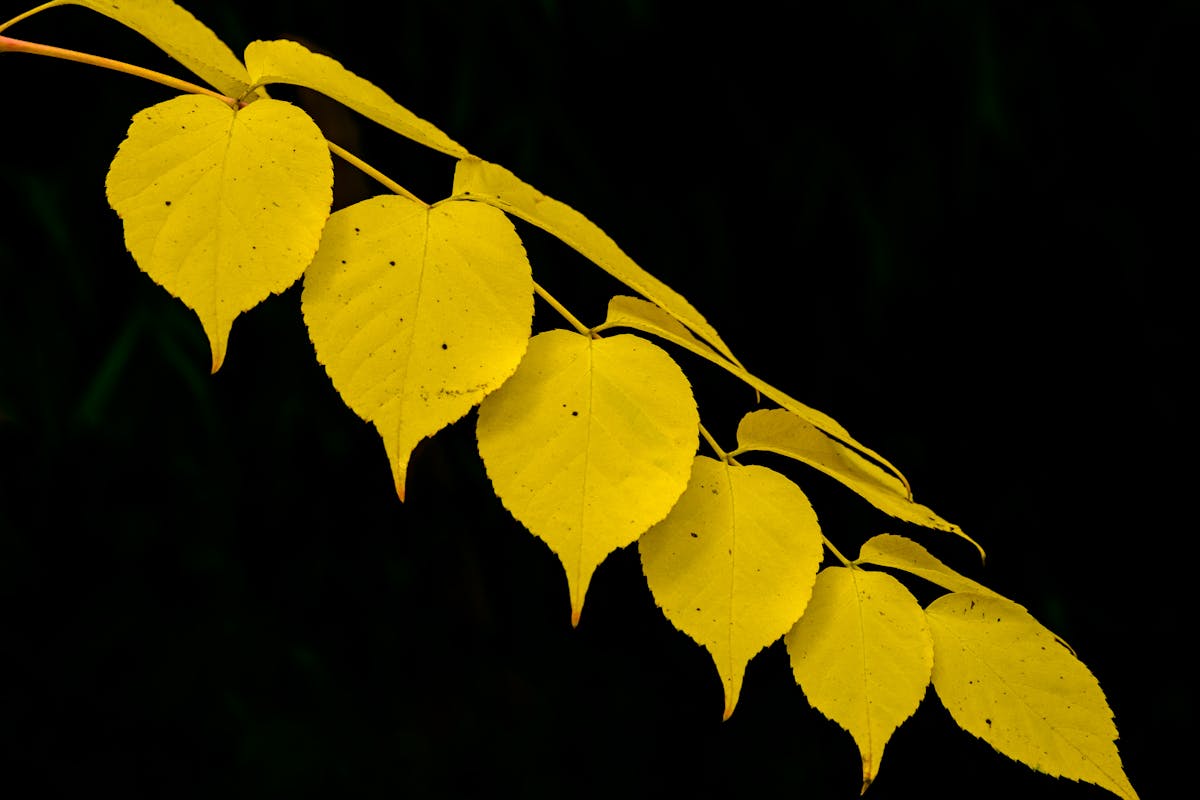
Stop the Cycle: Unraveling the Mystery of Persistent Yellow Leaves in Your Garden
Maintaining a vibrant garden can be a rewarding endeavor, but nothing is more frustrating than dealing with plants that keep developing yellow leaves despite your best efforts. If you’ve found yourself battling this issue repeatedly, you’re not alone. Yellow leaves can signal a range of problems, from nutrient deficiencies to environmental stressors. Let’s dive into the common causes of yellowing leaves and explore effective solutions to help restore the health of your plants.
Understanding the Causes of Yellow Leaves
1. Nutrient Deficiencies
One of the most common reasons for yellow leaves is a lack of essential nutrients. Nitrogen is crucial for plant growth, and a deficiency can lead to older leaves turning yellow while newer growth remains green. Similarly, deficiencies in iron and magnesium can also manifest as yellowing, particularly in the younger leaves.
Solution: Regularly amend your soil with organic matter like compost or well-rotted manure. A balanced fertilizer can help, but it’s essential to conduct a soil test first to determine what nutrients your garden may be lacking. If nitrogen is the issue, a high-nitrogen fertilizer or compost can help rejuvenate your plants.
2. Watering Issues
Both overwatering and underwatering can lead to yellow leaves. Overwatered plants develop root rot, which prevents them from absorbing nutrients effectively. Conversely, underwatering can stress plants, causing them to exhibit signs of nutrient deficiency.
Solution: Ensure your plants have well-draining soil to avoid waterlogging. Check the top inch of soil; if it’s dry, it’s time to water. For potted plants, make sure there are drainage holes in the bottom of the container. A good rule of thumb is to water deeply but less frequently to encourage robust root growth.
3. Pests and Diseases
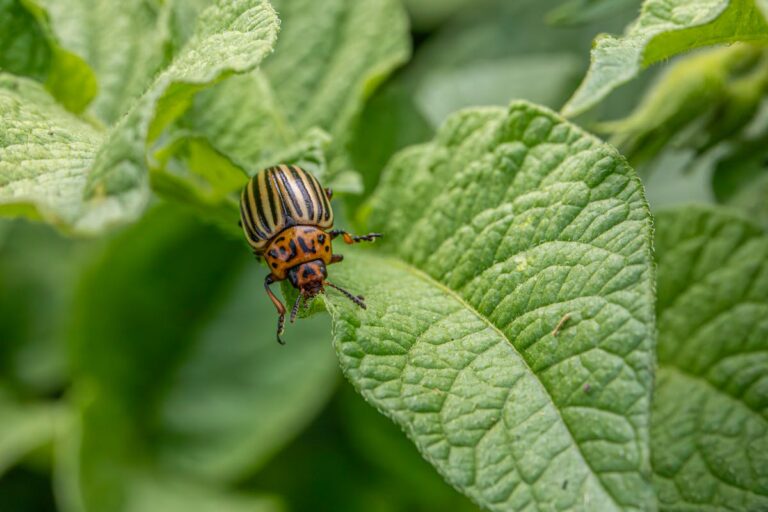
Pests like aphids, spider mites, and whiteflies can sap the vitality from your plants, often leading to yellow leaves. Diseases such as powdery mildew or root rot can also contribute to poor health and yellowing.
Solution: Regularly inspect your plants for signs of pests. If you notice any, treat them with insecticidal soap or neem oil. For diseases, ensure good air circulation around your plants, and avoid overhead watering, which can encourage fungal growth. If an infection occurs, remove affected leaves and consider using appropriate fungicides.
4. Environmental Stress
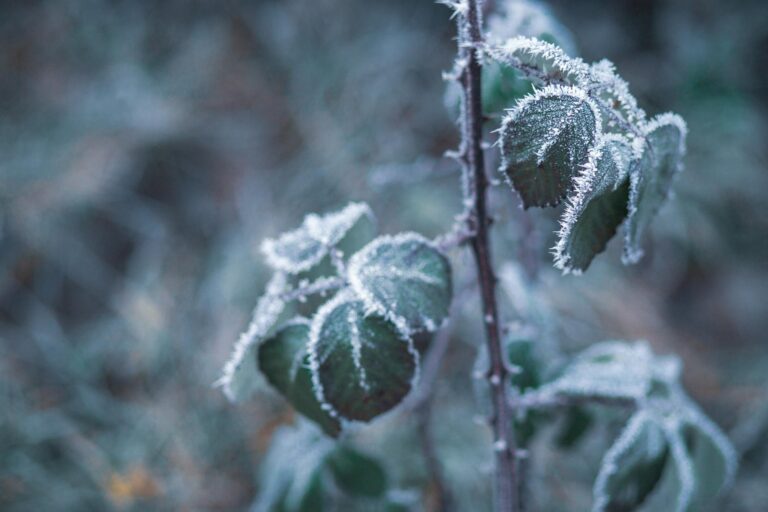
Changes in temperature, humidity, and light can also stress plants, leading to yellowing. For example, sudden cold snaps or high heat can shock plants, particularly if they are not acclimated.
Solution: Protect sensitive plants during temperature extremes by using row covers or bringing potted plants indoors. Make sure your plants are suited to your USDA zone and have the right light conditions. For instance, many houseplants prefer bright indirect light, while others thrive in full sun.
5. Soil pH Imbalance
Soil pH can significantly influence nutrient availability. If your soil is too acidic or alkaline, it may lock out essential nutrients, leading to yellow leaves.
Solution: Conduct a soil test to determine pH levels. Most garden plants prefer a pH between 6.0 and 7.0. If your soil is too acidic, adding lime can help raise the pH. Conversely, sulfur can lower pH if your soil is too alkaline.
6. Compacted Soil
Compacted soil can hinder root growth and reduce oxygen levels, which can lead to yellowing leaves. This often happens in areas with high foot traffic or heavy clay soils.
Solution: Aerating your soil can alleviate compaction, allowing roots to access nutrients and water more effectively. You can aerate by using a garden fork or a mechanical aerator. Adding organic matter can also improve soil structure and drainage.
7. Transplant Shock
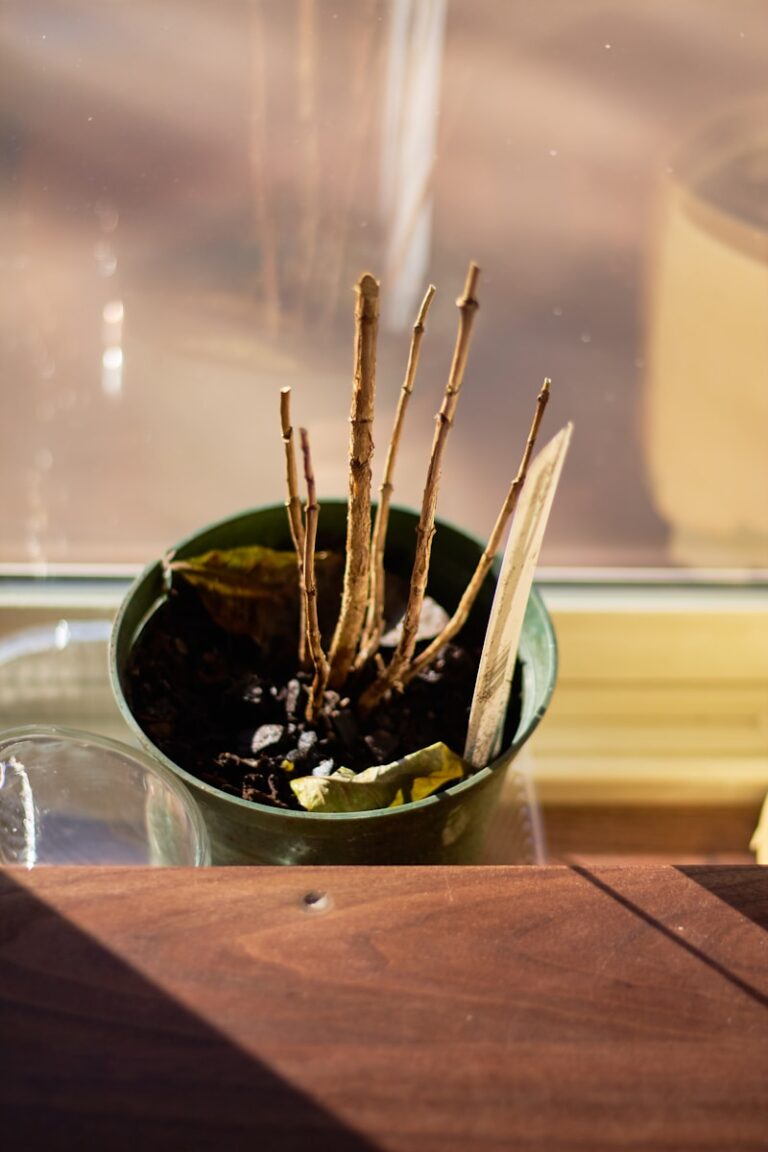
If you’ve recently moved or repotted your plants, they may experience transplant shock, resulting in yellowing leaves as they adjust to their new environment.
Solution: Be patient. Give your plants time to acclimate. You can help ease the transition by keeping the soil consistently moist and providing some shade during the hottest part of the day until they establish roots in their new home.
Practical Tips for Prevention
To prevent yellow leaves from becoming a recurring issue, consider these proactive measures:
Regularly Inspect Your Plants: Make it a habit to check your plants for signs of distress, including yellowing leaves, pests, or diseases.
Practice Crop Rotation: If you’re growing vegetables, rotating crops each year can prevent the buildup of pests and diseases in the soil.
Mulch Your Garden: Applying a layer of mulch can help retain soil moisture, suppress weeds, and regulate soil temperature.
Educate Yourself on Plant Needs: Research the specific requirements of the plants you are growing, including their water, light, and nutrient needs.
By understanding the underlying causes of yellow leaves and implementing these solutions, you can help your plants thrive and maintain the vibrant garden you envision. Happy gardening!