Stop the Mold Madness: Effective Moisture Management for Potted Plants
In the world of gardening, nurturing plants often comes with the challenge of maintaining the right moisture levels. For many home gardeners, particularly beginners, the quest for the perfect watering technique can lead to a frustrating problem: mold growth in pots. This article will explore some common moisture management mistakes that can lead to unwanted mold and provide practical alternatives to keep your potted plants healthy and thriving.
Understanding Mold Growth in Potted Plants
Mold thrives in damp environments, making potted plants an ideal breeding ground if moisture levels are not properly managed. Overwatering, poor drainage, and high humidity are the primary culprits behind mold development. While a little bit of mold might not harm your plants directly, it can lead to root rot, attract pests, and create an unsightly mess that can discourage any gardener.
Common Moisture Management Mistakes
1. Overwatering: This is perhaps the most common mistake made by novice gardeners. It’s easy to assume that more water equals happier plants, but many houseplants prefer their soil to dry out between waterings. Overwatering can lead to soggy soil, which is a perfect environment for mold.
2. Using the Wrong Soil: Not all potting soils are created equal. Some soils retain too much moisture, especially those that are heavy in organic matter like peat. If you’re noticing mold, consider switching to a well-draining potting mix that includes ingredients such as perlite, vermiculite, or coarse sand.
3. Poor Drainage: Every pot should have drainage holes at the bottom to allow excess water to escape. If your pot doesn’t have these holes, or if they’re clogged, moisture will build up, creating an ideal setting for mold growth.
4. Lack of Air Circulation: Good air circulation is vital for healthy plants. If your pots are too crowded or placed in a humid area with little airflow, it can lead to damp conditions conducive to mold.
5. Ignoring Environmental Conditions: The environment plays a significant role in moisture levels. High humidity, especially in closed spaces, can lead to mold. Make sure to monitor your plant’s surroundings and adjust their placement as needed.
Effective Moisture Management Strategies
Now that we’ve identified common mistakes, let’s discuss how you can effectively manage moisture to prevent mold:
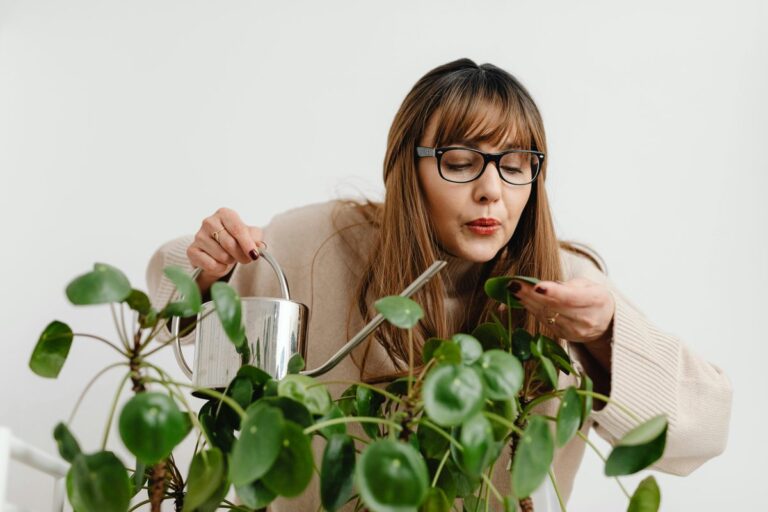
1. Watering Wisely: Instead of sticking to a rigid watering schedule, check your plants’ soil moisture regularly. Stick your finger about an inch into the soil; if it feels dry, it’s time to water. If it’s still moist, wait a few more days.
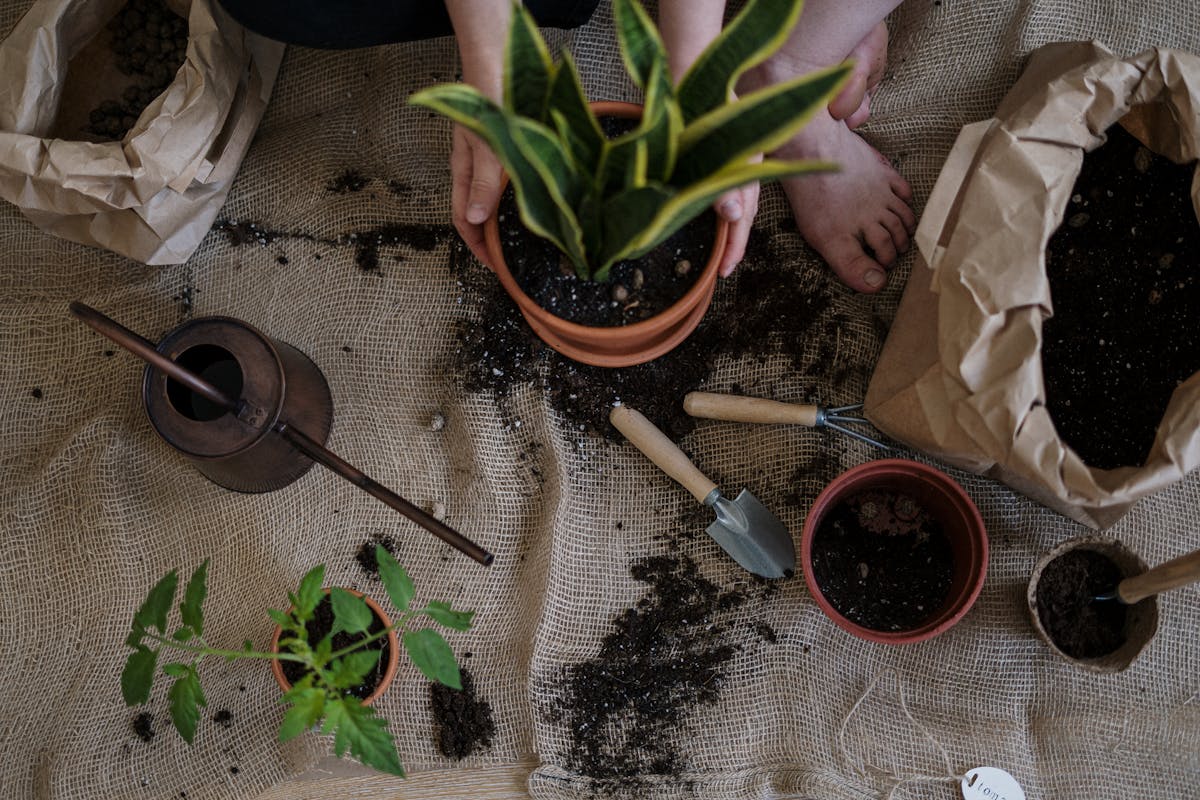
2. Choose the Right Potting Mix: Select a lightweight, well-draining potting mix suitable for your specific plants. For example, succulent and cactus mixes are designed to dry out quickly and prevent excess moisture, while mixes for tropical plants may retain some moisture but should still allow for adequate drainage.
3. Use Pots with Drainage: Always choose pots that have drainage holes. If using decorative pots without drainage, consider placing your plant in a plastic pot with holes and then putting that inside the decorative pot. Just make sure to remove excess water that collects in the bottom.
4. Improve Airflow: Space your plants adequately to ensure they have enough air circulation. If you’re growing multiple plants indoors, consider placing a small fan nearby to promote airflow, especially during humid months.
5. Monitor Humidity Levels: If you live in a particularly humid area or during the summer months, consider using a dehumidifier or placing your plants in a location that gets good air movement. Alternatively, if you notice high humidity around your plants, you can use a hygrometer to measure the levels and adjust accordingly.
6. Use Natural Anti-Fungal Solutions: If you spot mold starting to form, don’t panic. You can sprinkle cinnamon or diatomaceous earth on the soil surface, both of which are natural anti-fungal agents. This can help combat mold without resorting to harsh chemicals.
7. Regularly Clean Pots and Tools: Make it a habit to clean your pots and gardening tools regularly to prevent mold spores from spreading. A simple mix of water and mild dish soap can do wonders for keeping your gardening tools and pots free from mold and bacteria.
8. Rotate Your Plants: If you have multiple potted plants, rotate them occasionally. This practice ensures that all plants receive equal sunlight and airflow, reducing the risk of mold growth in any particular pot.
When to Seek Help
If you’ve tried these methods and continue to face mold issues, it might be time to consult with a local nursery or extension service. They can provide tailored advice based on your specific plant types and local environmental conditions.
In summary, mold in potted plants is a common issue that can be managed with a few adjustments to your watering routine, potting mix, and environmental conditions. By avoiding overwatering, ensuring proper drainage, and maintaining good airflow, you can create a healthy environment for your plants to flourish—mold-free. Happy gardening!