Stop the Seedling Slaughter: Common Mistakes Gardeners Make and How to Fix Them
Gardeners often look forward to the spring season, filled with excitement and hope as they sow seeds for their vegetable and flower gardens. However, many novice and even intermediate gardeners face a common frustration: their seedlings keep dying. If you’ve found yourself shaking your head in disbelief as your once-promising seedlings wilt away, you’re not alone. The good news is that understanding the reasons behind this unfortunate fate can help you avoid the pitfalls and enjoy a thriving garden.
The Most Common Mistake: Overwatering
One of the primary reasons seedlings perish is overwatering. While it might seem logical to provide plenty of moisture to young plants, seedlings have delicate roots that can easily suffocate in soggy soil. Overwatered seedlings often exhibit yellowing leaves, wilting, and root rot, which can lead to their demise.
To avoid this mistake, follow these guidelines:
Check Soil Moisture: Before watering, stick your finger about an inch into the soil. If it feels damp, hold off on watering until it dries out a bit.
Water Wisely: When you do water, do so thoroughly but infrequently. This encourages deep root growth as seedlings search for moisture.
Use Appropriate Containers: Ensure that your pots have drainage holes to prevent water from pooling at the bottom.
Light Levels Matter
Another critical factor in seedling survival is light. Insufficient light can lead to leggy, weak plants that struggle to develop a strong structure. Conversely, too much direct sunlight can scorch tender seedlings.
Here’s how to ensure that your seedlings get the right amount of light:
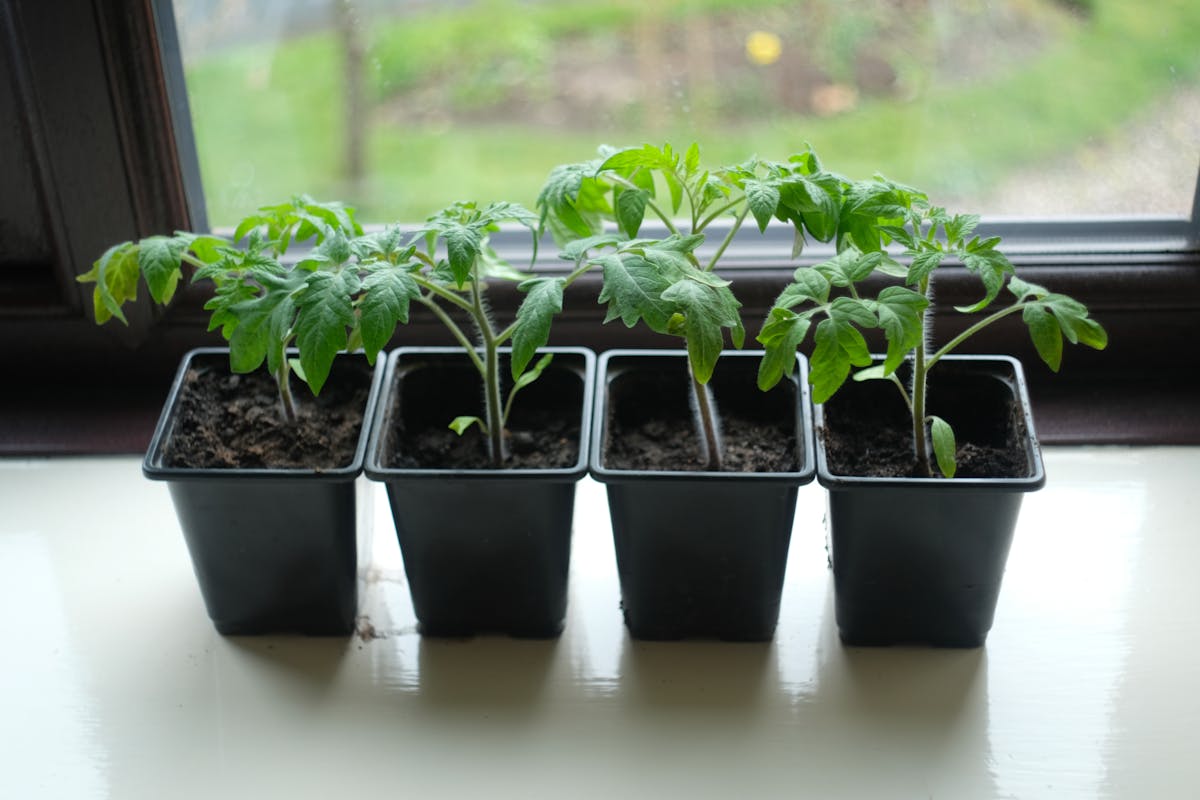
Natural Light: If you’re starting seeds indoors, place them near a sunny south-facing window. Aim for at least 12-16 hours of light per day.
Grow Lights: If natural light is limited, consider investing in grow lights. LED or fluorescent lights can provide the right spectrum for seedling growth. Position them about 2-4 inches above the seedlings and adjust as they grow.
Rotate Seedlings: Turn your seedlings regularly to ensure all sides receive equal light exposure, promoting even growth.
Temperature Troubles
Seedlings are also sensitive to temperature fluctuations. Too cold or too hot can stress the plants, hindering their development or causing them to die.
To create a stable environment:
Ideal Temperature: Most seedlings thrive between 65°F and 75°F (18°C to 24°C). Use a seedling heat mat to maintain consistent warmth, especially for heat-loving plants like tomatoes and peppers.
Avoid Drafts: Keep seedlings away from cold drafts, air conditioning vents, or heat sources. Sudden temperature changes can shock them.
Harden Off: Before transplanting seedlings outdoors, gradually acclimate them to outdoor conditions over a week or two. Start with a couple of hours of exposure to sunlight and wind, gradually increasing the time each day.
Nutrient Needs
Young plants require specific nutrients for healthy growth. While seeds come with their own food source, seedlings will eventually need additional nutrients to thrive.
Consider these tips for nutrient management:
Use Seed-Starting Mix: Start your seeds in a high-quality seed-starting mix that is light and airy. Avoid using garden soil, which can be too dense and may harbor pests and diseases.
Fertilization: Once seedlings develop their first true leaves (the second set of leaves), start fertilizing them with a diluted, balanced liquid fertilizer. Follow the instructions on the label to avoid over-fertilization, which can burn roots.
Monitor Growth: Keep an eye on the leaf color and overall vigor of your seedlings. Yellowing leaves may indicate a nutrient deficiency, while dark green leaves could suggest excess nitrogen.
Avoiding Pests and Diseases
Seedlings are vulnerable to pests and diseases that can quickly wipe them out. Fungal infections, such as damping-off, can be particularly fatal.
To protect your seedlings:
Maintain Cleanliness: Keep your workspace and tools clean to reduce the risk of introducing pathogens. Disinfect pots and trays before using them.
Air Circulation: Provide good air circulation around your seedlings to prevent mold and fungal growth. This can be achieved by avoiding overcrowding and using fans if necessary.
Pest Inspection: Regularly check your seedlings for pests like aphids or spider mites. If you spot any, remove them by hand or use insecticidal soap for control.
Timing is Everything
Understanding your planting timeline is crucial for seedling success. Timing affects everything from germination to transplanting outdoors.
Here’s how to time your planting effectively:
Know Your USDA Zone: Familiarize yourself with your USDA zone to determine the last frost date in your area, which will guide your planting schedule.
Start Indoors: For many plants, you can start seeds indoors 6-8 weeks before the last frost date. Use seed packets as a guide for specific timing.
Transplant Carefully: When it’s time to move seedlings outdoors, transplant them on a cloudy day or in the late afternoon to minimize stress.
By addressing these common mistakes and implementing some straightforward strategies, you can significantly improve your seedling survival rates. As you nurture your plants from tiny seeds to flourishing garden stars, remember that every gardener makes mistakes. The key is to learn from them, adjust your techniques, and enjoy the rewarding journey of gardening. Happy planting!