Stop the Stretch: Understanding Why Your Succulents Are Growing Leggy
Succulents have become a staple in many North American homes thanks to their unique forms, vibrant colors, and low maintenance needs. However, if you’ve noticed your succulents reaching for the light and stretching out more than you’d like, you might be wondering what’s going wrong. Let’s delve into the reasons why this stretching occurs, how to prevent it, and what you can do to help your succulents thrive.
Understanding Succulent Stretching
The phenomenon of stretching in succulents, often referred to as “etiolation,” is primarily a response to insufficient light. When succulents don’t receive enough sunlight, they begin to elongate their stems in an effort to reach a brighter source of light. This results in a leggy appearance that can be particularly unappealing if you prefer the compact, bushy look typical of healthy succulents.
While many people assume that placing their succulents in a bright room will suffice, it’s essential to understand that not all light is created equal. Here are some factors that may contribute to your succulents stretching, even in seemingly bright environments.
Light Quality and Quantity
1. Insufficient Light: Succulents thrive in bright, indirect sunlight. Ideally, they should receive at least six hours of light daily. If your succulents are situated near a window but still appear to be stretching, they may not be getting enough direct sunlight. Consider moving them closer to the window or even to an outdoor location during warmer months.
2. Type of Light: Natural light is different from artificial light. If your succulents are primarily indoors and relying on fluorescent or LED light, they might not be getting the spectrum of light they need to thrive. While grow lights can be a solution, ensure they provide a full spectrum that mimics natural sunlight.
3. Seasonal Changes: During the winter months, daylight hours are shorter, and the sun’s angle changes, reducing the intensity of light that reaches your plants. Be mindful of this seasonal variation and adjust your plants’ locations accordingly.
Watering Practices
Another contributing factor to succulent stretching is improper watering. Overwatering can lead to unhealthy roots, which in turn affect the overall health of the plant. When succulents are stressed due to root issues, they might stretch in search of better conditions. Here are some watering tips:
1. Allow Soil to Dry: Succulents prefer their soil to dry out completely between waterings. Check the moisture level by sticking your finger into the soil; if it feels dry up to your first knuckle, it’s time to water.
2. Watering Schedule: In the growing season (spring and summer), most succulents will require more frequent watering. During the dormant season (fall and winter), cut back on watering significantly.
3. Use Well-Draining Soil: Make sure to plant your succulents in a well-draining soil mix specifically designed for cacti and succulents. This helps prevent water from pooling around the roots and encourages healthy growth.
Temperature and Humidity
Succulents are native to arid regions, which means they thrive in warm, dry conditions. If your home is too humid or the temperatures fluctuate drastically, it can stress your plants and lead to stretching. Consider these points:
1. Temperature: Most succulents prefer temperatures between 60°F and 80°F (15°C to 27°C). Avoid placing them near drafts or heating vents that could cause temperature fluctuations.
2. Humidity Levels: High humidity can lead to fungal issues and other stressors. If you live in a humid climate or during certain seasons, ensure that your succulents are in a well-ventilated area.
3. Airflow: Good airflow is essential for succulent health. Avoid overcrowding your plants, which can restrict airflow and contribute to stress.
Pruning and Propagation
If you already have leggy succulents, don’t despair! There are steps you can take to rejuvenate your plants.
1. Pruning: Trim back the leggy stems to promote bushier growth. Use sterile scissors or pruning shears to make clean cuts. This will encourage your succulent to focus its energy on producing new growth rather than elongating further.
2. Propagation: Consider propagating the cuttings you make by allowing them to callous over for a few days and then placing them in soil. This can help you create new plants from the leggy ones.
3. Repotting: If your succulent has outgrown its pot or the soil has depleted nutrients, consider repotting into fresh soil and a slightly larger container.
Choosing the Right Succulent Varieties
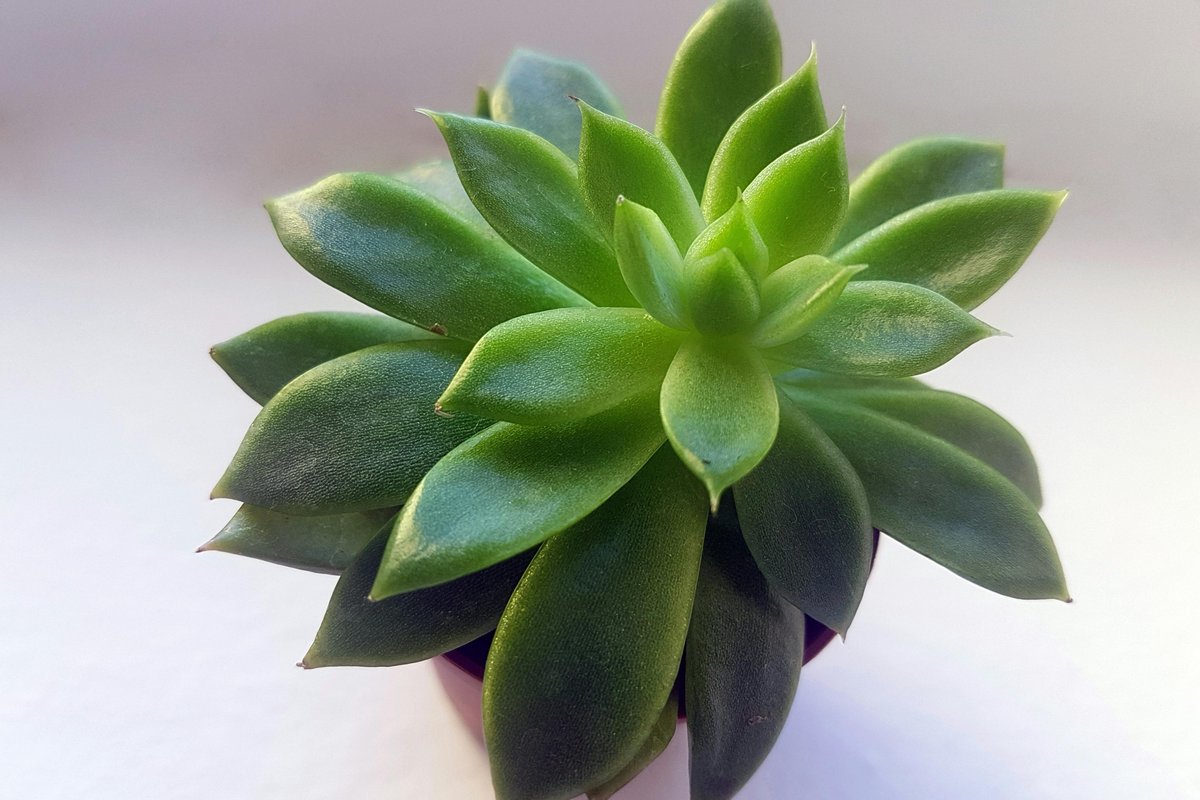
Lastly, it’s worth noting that some succulent varieties are naturally more prone to stretching than others. If you’re particularly drawn to compact succulents, consider species like Echeveria, Haworthia, or Sedum, which typically maintain a more compact form.
By understanding the causes of stretching in succulents and implementing these strategies, you can help your plants thrive and maintain their beautiful, compact shapes. Remember, gardening is a journey, and every challenge is an opportunity to learn and grow. With a bit of attention and care, your succulents can flourish, bringing joy and beauty to your home for years to come.