Taming Indoor Humidity: How Plants and Habits Can Clear the Air
Indoor gardening can bring joy and a touch of nature into our homes, but it often comes with a downside: condensation and high humidity levels. If you’ve noticed your windows fogging up or mold creeping around your plants, it’s time to tackle the issue head-on. Fortunately, certain plant choices and habits can help manage indoor humidity effectively. Let’s dive into how you can cultivate a healthier environment while enjoying your green companions.
Understanding Indoor Humidity
Before we explore solutions, it’s essential to understand why indoor humidity can spike. High humidity often results from several factors, including cooking, showering, and even the plants themselves, as they release moisture through a process called transpiration. In areas with cold winters, like much of North America, this can lead to condensation on windows and walls, creating an ideal environment for mold growth.
The ideal indoor humidity level for comfort is typically between 30% and 50%. When humidity exceeds this range, you may notice condensation forming on surfaces, musty odors, and an increased risk of mold and mildew. To combat these issues, consider both your plant choices and your daily habits.
Choosing the Right Plants
Certain houseplants can help absorb moisture from the air, thereby reducing indoor humidity. Here are some excellent choices for your home:
1. Peace Lily (Spathiphyllum): Not only is this plant known for its stunning white blooms, but it also excels at absorbing excess moisture. It thrives in low light, making it perfect for indoor spaces.
2. Spider Plant (Chlorophytum comosum): This resilient plant is easy to care for and effective at improving air quality while managing humidity. It grows well in various light conditions and can tolerate neglect.
3. Boston Fern (Nephrolepis exaltata): Known for its lush fronds, the Boston fern prefers higher humidity but can help regulate moisture in the air when placed strategically in your home.
4. Areca Palm (Dypsis lutescens): This palm is a natural humidifier and can absorb excess moisture efficiently. It’s also a fast-growing and visually appealing houseplant.
5. Rubber Plant (Ficus elastica): A hardy plant that can thrive in various lighting conditions, the rubber plant can help reduce humidity levels while adding a bold touch to your décor.
Plant Care Tips
While selecting plants that help manage humidity is a great start, how you care for them is equally important:
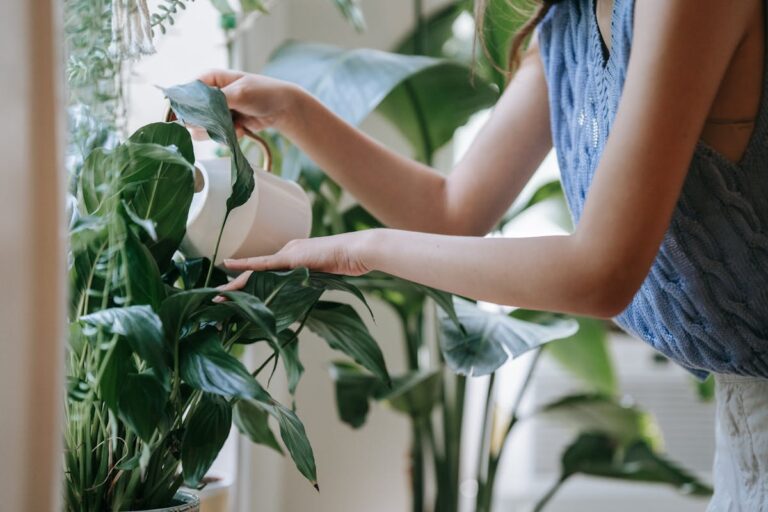
Watering Wisely: Overwatering can increase humidity levels, so ensure you’re allowing the soil to dry out between waterings. A moisture meter can help you gauge when your plants need water.
Grouping Plants: If you have multiple plants, consider grouping them together. This can create a microclimate that helps maintain moisture levels without overwhelming your space.
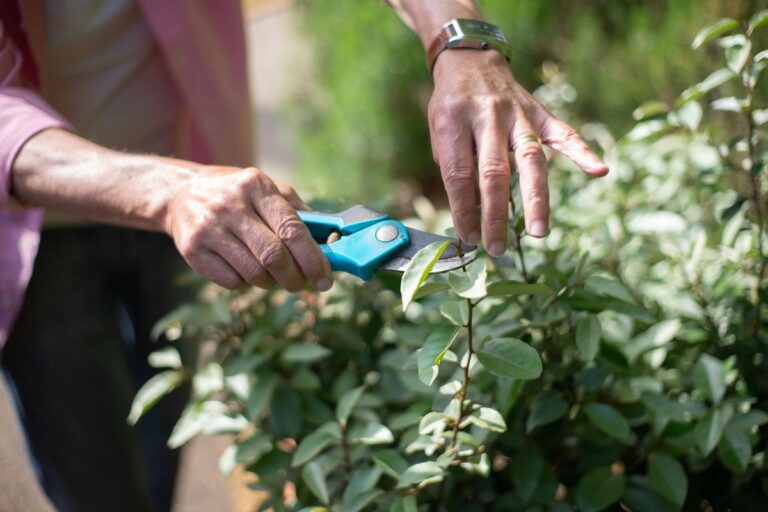
Pruning and Cleaning: Regularly prune your plants to remove dead leaves and promote healthy growth. Dust can accumulate on leaves and hinder their ability to transpire properly.
Ventilation: Ensure that your indoor spaces are well-ventilated. Open windows when weather permits, and consider using exhaust fans in kitchens and bathrooms to help reduce humidity levels.
Adopting Habits to Reduce Humidity
In addition to selecting the right plants, there are everyday habits you can adopt to help manage indoor humidity:
1. Use Dehumidifiers: If humidity levels are consistently high, consider investing in a dehumidifier. These devices can help maintain optimal humidity levels, especially during the winter months.
2. Improve Air Circulation: Use fans to promote air circulation in your home. Ceiling fans and portable fans can help distribute air more evenly and reduce stagnant moisture.
3. Limit Water Usage: Be mindful of activities that generate steam, such as boiling water or taking long showers. Use lids on pots while cooking and keep bathroom doors closed when showering to contain humidity.
4. Seal Cracks and Leaks: Inspect your home for any drafts or leaks that may allow moist air to enter or escape. Sealing these can help maintain a more stable indoor environment.
5. Indoor Drying: Avoid drying clothes indoors, as this can significantly increase humidity levels. If you must dry clothes inside, consider using a drying rack in a well-ventilated area.
Monitoring Your Environment
Regularly check the humidity levels in your home with a hygrometer. This small device can provide you with accurate readings, allowing you to adjust your habits and plant care accordingly. If you notice that your humidity levels frequently exceed 50%, it’s time to take action.
Experimenting with the right combination of plants and habits can help you combat indoor condensation and create a more comfortable living space. Remember, gardening should be enjoyable, not a source of stress. With the right approach, you can cultivate a thriving indoor garden while managing humidity effectively.
By being proactive and mindful of your indoor environment, you can enjoy the beauty of your plants without the hassle of unwanted condensation. Happy gardening!