The Backyard Plant Trend That’s Causing Arguments Between Neighbors Sparks Passionate Garden Battles
It’s amazing how something as simple as a backyard plant can turn peaceful neighborhoods into battlegrounds. If you’re thinking about adding new greenery to your yard, you might be surprised which plants can lead to unexpected drama with the folks next door.
The backyard plant trend causing arguments usually involves plants that grow quickly or spread roots and branches beyond their space, affecting nearby yards. It’s easy to get caught up in the excitement of a lush garden, but these plants can create real headaches if you’re not careful.
Invasive Bamboo Takes Over Yards
Ever step outside and find bamboo shoots popping up where you never planted them? Bamboo’s underground roots, called rhizomes, can travel under fences, sidewalks, and driveways.
You might love bamboo for its look, but it grows fast and can quickly get out of hand. It’s not just your yard at risk—those roots can spread far and wide, surprising your neighbors too.
If bamboo isn’t kept in check, it can damage structures and lower property values. Containing it is tough, and many homeowners have shared stories of bamboo battles that last for years.
If your neighbor plants bamboo close to your property, it can easily creep into your yard. Catching it early is the best way to avoid a long-term struggle.
Creeping Ivy Damages Foundations
Creeping ivy looks charming, but it can be a nightmare for your home’s foundation. Its roots sneak into cracks in walls, making small problems much worse.
As ivy grows, it clings tightly to surfaces and traps moisture against your home. That moisture can invite mold and rot, which weakens wood, brick, or stone.
Ivy grows fast and, if left unchecked, can become heavy enough to pull on your home’s exterior. That pressure can cause cracks to widen.
If you want ivy for its look, keep it trimmed and away from your foundation. Removing it from risky areas now can save you from big repairs later.
Aggressive Mint Spreading Fast
Planting mint seems harmless until you notice it everywhere. Mint’s roots shoot out underground and pop up in unexpected places.
It’s great for drinks and recipes, but mint doesn’t stay put. It can crowd out your favorite flowers and even sneak into cracks in the driveway.
Planting mint in containers or using barriers can help keep it contained. Regular trimming is a must, or you’ll find mint taking over before you realize it.
Trying less aggressive varieties like pineapple or orange mint can help, but even they need watching. Once you start growing mint, you’ll see why it causes so many backyard disputes.
Kudzu Vine Choking Neighbor’s Trees
Kudzu is the vine you see taking over trees, fences, and even power lines at lightning speed. It can cover your neighbor’s trees fast, blocking sunlight and stealing nutrients.
The vine wraps around tree trunks and branches, which can weaken or kill trees over time. Trees under thick kudzu often struggle to grow.
Kudzu was brought to the U.S. to help with erosion, but now it’s a big problem in many areas. It spreads so quickly that your yard can be overrun before you know it.
Stopping kudzu isn’t easy and may require teaming up with neighbors or local services. The sooner you act, the better chance you have to protect your yard and trees.
Giant Hogweed Causes Skin Burns
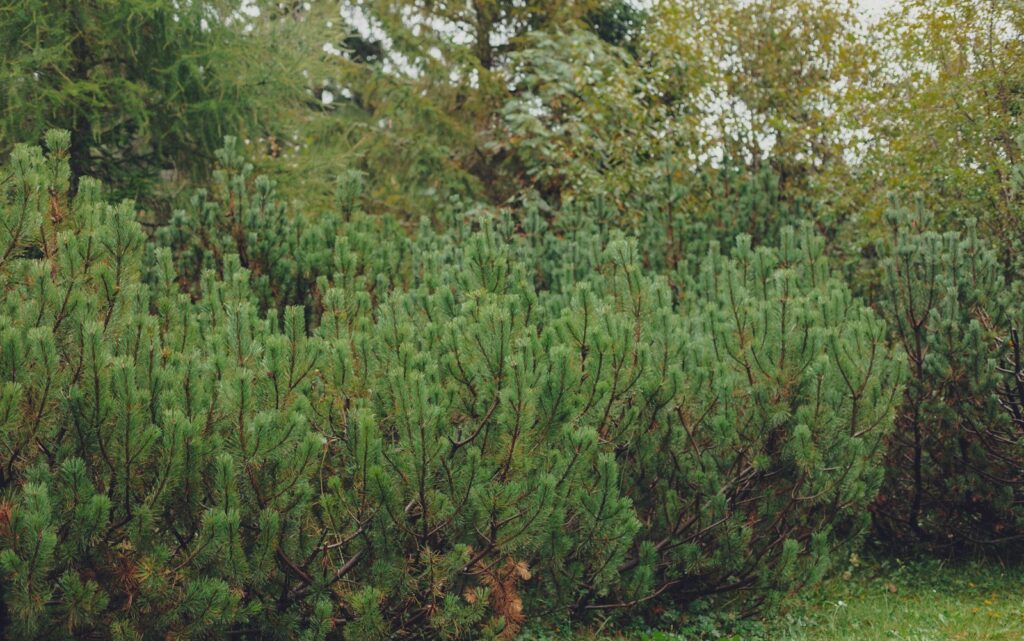
Spotting giant hogweed in your backyard should make you pause. The sap from this plant can cause severe skin burns.
If the sap touches your skin and then gets exposed to sunlight, it triggers a painful reaction called phytophotodermatitis. Even a small brush with this plant can lead to redness, blisters, and scars.
The chemical in hogweed sap makes your skin extra sensitive to light, making the burn worse after just a short time in the sun. Many people don’t realize how dangerous this plant is until it’s too late.
If you get sap on your skin, wash it off right away and avoid sunlight. Protect yourself with gloves and long sleeves when working near giant hogweed.
Poisonous Pothos Overhanging Fences
Pothos is a favorite for its easy care and trailing vines, but it can cause problems if it grows over your fence into a neighbor’s yard. The vines spread quickly and don’t respect property lines.
Pothos is toxic to pets and people if eaten, which can be a big concern for neighbors with kids or animals. The sap can also cause mild skin irritation for some people.
When vines hang over fences, it can create tension about who’s responsible for trimming and what happens if it damages property. It’s best to cut back pothos before it crosses into a neighbor’s yard.
Keeping your plants in check shows respect for your neighbor’s space and helps avoid arguments.
Japanese Knotweed Cracking Concrete
Japanese knotweed has a reputation for being able to crack concrete, and it’s not just a rumor. This plant is relentless and grows fast, making it a real headache for homeowners.
Knotweed doesn’t smash through solid concrete, but it finds tiny cracks and gaps to sneak into. Once inside, its roots and shoots expand, making those cracks worse over time.
If you spot knotweed near your home, don’t wait to act. Its roots can spread far underground and push against foundations and fences, causing real trouble.
This plant’s sneaky growth means you need to stay on top of it. Catching it early is your best defense against property damage.
Untrimmed Fig Tree Blocking Views
A fig tree can bring beauty and shade, but if it grows too tall or wide, it might block your neighbor’s view. What feels like a lush addition to your yard can be a big frustration next door.
When a fig tree spreads its branches unchecked, it creates a dense wall that blocks sunlight and sightlines. Your neighbors might feel boxed in by leaves instead of enjoying the open sky.
Regular trimming helps keep the tree manageable and everyone happy. A well-kept tree looks great and doesn’t cause disputes.
If a fig tree is blocking a view, talking with your neighbor about trimming plans can keep things friendly.
Overgrown Oleander Dropping Leaves
An overgrown oleander often drops leaves, making a mess and signaling stress. Crowded roots or poor conditions can cause it to lose leaves and struggle to thrive.
Yellowing leaves and drooping branches are signs your plant needs attention. Overwatering can lead to root rot, and pests like aphids or spider mites may make things worse.
Trimming your oleander and removing dead branches can help it recover. A healthier plant drops fewer leaves and keeps your yard looking tidy.
Root Intrusion from Russian Olive
Russian olive trees might seem like a good idea, but their roots spread fast and can cause problems for other plants and structures. The roots dig deep and wide, often taking over space from native plants.
You might notice your garden feels crowded or other plants aren’t growing well. Russian olive roots can draw up a lot of water, drying out the soil for everything else.
Even after cutting down the tree, roots can send up new shoots. If your neighbor has one, the roots might cross property lines and cause tension.
These trees can quickly become a point of contention in any neighborhood.
Why Backyard Plant Trends Are Sparking Neighborhood Debates
Yard design is changing, and not everyone is on board with the new look. Some people love wildflowers and pollinator gardens, while others prefer tidy lawns.
When one yard stands out with native plants or a wild look, it can clash with neighbors’ expectations. Some worry these changes make the neighborhood seem messy or hurt property values.
You might feel stuck between wanting a creative yard and keeping peace with the community. Complaints can pop up when someone ditches the manicured lawn for something more natural.
Tall hedges and dense plants used for privacy are also causing debates. While they create a private space, they can block sunlight or views for others.
Plants that spill over property lines or block views can spark disagreements. What feels like privacy to you might feel like intrusion to your neighbor.
Talking with neighbors before making big changes can help avoid conflicts and keep everyone happy.
How to Handle Conflicts Over Garden Choices
Disagreements about backyard plants can get awkward, but a little communication goes a long way. You want your garden to thrive without making enemies next door.
Start by having an honest conversation with your neighbors. Share why you picked certain plants and listen to their concerns.
Listening without interrupting helps you find common ground. Setting clear boundaries for trimming and maintenance can prevent future disputes.
Sometimes, sharing extra flowers or veggies from your garden can turn a tense situation into a friendly one.
Collaborative Planting Solutions
Ever had a garden project that turned into a debate with your neighbor? Sometimes, working together is the best way to avoid stress.
Try planning planting projects that benefit both yards. For example, choose a small hedge or fence-friendly shrubs that keep things tidy and don’t block views.
Make a list of low-maintenance, non-invasive plants that are perfect for property lines. This helps prevent plants from spreading where they shouldn’t.
You could even create a shared flower bed or vegetable patch. Combining efforts means you both get to enjoy the results.
Turning your garden into a joint project can make the whole experience more rewarding and keep everyone happy.