The Best Cold-Hardy Herbs You Can Grow Indoors
When winter rolls around, it’s easy to miss the taste of fresh herbs in your meals. Instead of waiting for warmer days, you can grow a variety of herbs indoors and enjoy homegrown flavors no matter how chilly it gets outside.
Cold-hardy herbs are great for indoor gardening because they can handle lower light and cooler temperatures. All you need is a sunny spot and a bit of care to keep your indoor herb garden thriving through winter.
Chives: hardy and flavorful all winter!

Chives are a fantastic choice for growing indoors during the colder months. These resilient herbs handle chilly temperatures better than most and keep producing tasty leaves with enough sunlight.
Since chives are perennials, you’ll get fresh greens year after year. Place them in a sunny window and make sure the soil drains well.
They don’t need much fuss. Just water and light are enough to keep chives happy.
Cut the leaves as you need them, and they’ll keep growing. It’s a simple way to add a burst of green to your winter meals.
Mint: fresh and fragrant, perfect indoors!
Mint is one of those herbs that just keeps on giving, even when it’s cold outside. It stays lush and fragrant indoors, making it easy to grab a handful for your tea or recipes.
A small pot on a windowsill is all you need. Give it plenty of light and keep the soil moist but not soggy.
Mint’s scent is a bonus, it can freshen your kitchen and even help repel pests. No more wilted bunches from the store.
With a little care, your mint will keep growing all season. It’s a great way to have something green and fresh at your fingertips.
Oregano: a robust winter survivor!

Oregano stands out for its toughness when winter arrives. This herb can handle impressively low temperatures, so it won’t mind a cool indoor spot.
Keep the soil on the drier side, as oregano prefers not to have wet roots in winter. Place it near a bright window to keep it thriving.
A little pruning in late fall helps your oregano stay healthy. You’ll have fresh, flavorful leaves ready for your favorite dishes.
Parsley: bright green and nutrient-rich!
Parsley is a cheerful addition to any windowsill garden. Its bright green leaves are packed with nutrients and perk up any meal.
It grows well with bright, indirect light and soil that drains well. Both curly and flat-leaf varieties do great in pots.
Once parsley is established, you can snip the outer stems for continuous growth. It’s a reliable way to keep your kitchen stocked with fresh greens.
Even when it’s cold outside, parsley holds up well indoors. Just watch the soil moisture and give it enough light.
Sage: aromatic and cold-tolerant!
Sage is a must-have if you love cooking with herbs that pack a punch. Its leaves stay fragrant and green even during winter when grown inside.
Put your sage near a sunny window and make sure the pot drains well. Let the soil dry out a bit between waterings.
Common garden sage is a solid choice for winter growing. With some attention, you’ll have plenty of fresh leaves for your meals.
Thyme: tiny leaves, big flavor indoors!
Thyme is a compact herb that fits easily on a windowsill and brings loads of flavor to your cooking. Its tiny leaves have a fresh, earthy taste perfect for winter recipes.
Give thyme lots of sunlight, at least six hours a day, and well-draining soil. Pinch back the tips to encourage bushier growth.
Harvest what you need with scissors, and the plant will keep producing. Thyme is a low-maintenance option for any indoor gardener.
Rosemary: woody, fragrant, and winter-ready!
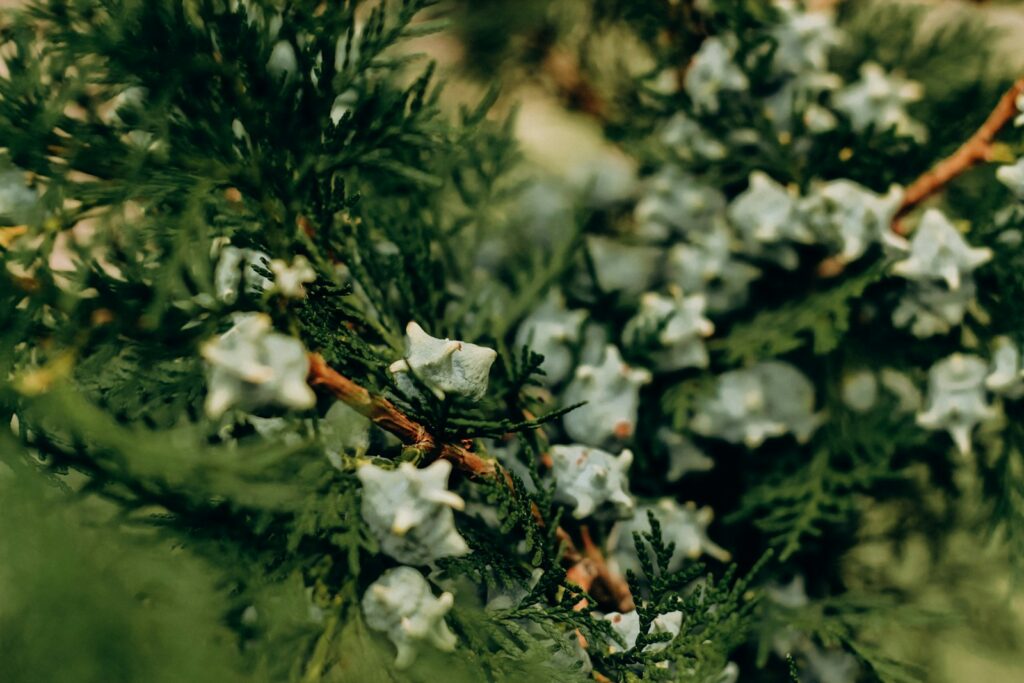
Rosemary brings a wonderful piney scent to your home and is surprisingly tough in winter. Its woody stems and needle-like leaves thrive indoors with the right care.
Set rosemary near a bright window for maximum sunlight. Water it just enough so the soil isn’t too wet or too dry.
Some varieties are extra cold-hardy, so pick those if you live in a chilly area. Rosemary adds a lively touch to your home and is always ready for your next meal.
Lemon Balm: zesty and easy to grow!
Lemon balm is a cheerful herb with a fresh, citrus scent that can brighten up any kitchen. It’s easy to grow indoors and brings a zesty flavor to cooking or tea.
Keep lemon balm in a sunny window or under a grow light. It likes well-drained soil and regular watering.
Pinch back the leaves to keep it bushy. If you have lemon balm outside, bring it in before frost for a supply of fresh leaves all winter.
Cilantro: a fresh favorite even in cold months!
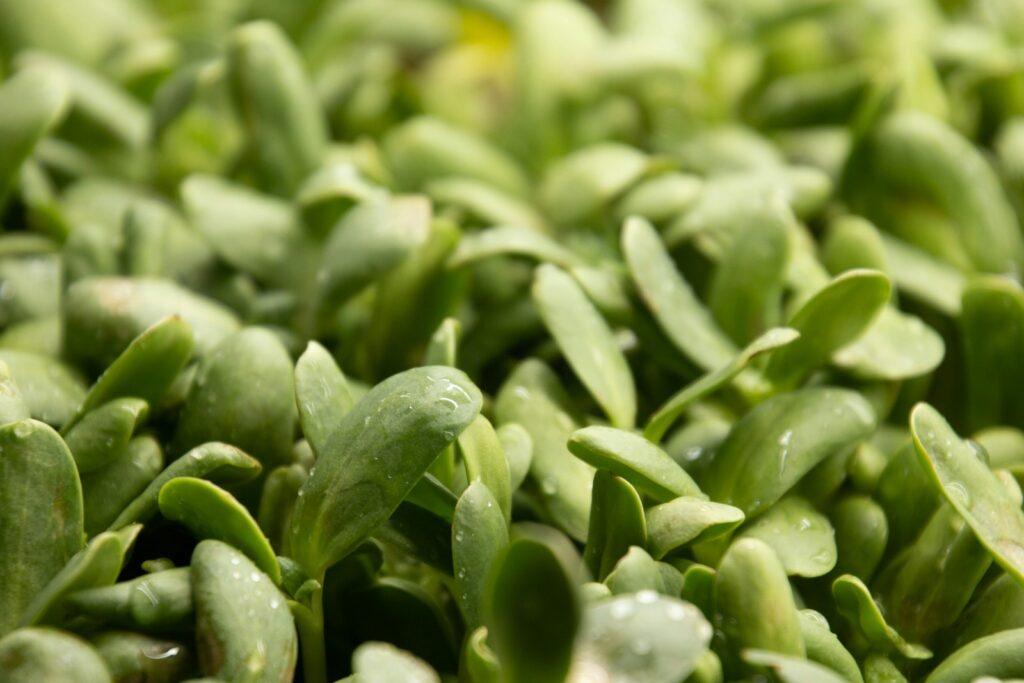
Cilantro isn’t just for summer. You can grow it inside all winter for a burst of fresh, bright flavor.
Give cilantro protection from frost by moving it indoors or using containers
Watering and Humidity Strategies
Keeping herbs happy indoors can feel tricky, especially when it comes to watering. Most herbs like steady moisture but hate soggy roots.
Check the soil by touching the top inch. If it feels dry, it is time to water. Pour water slowly until it drains from the bottom of the pot. Always empty any water that collects in the saucer to protect the roots.
Some herbs, like rosemary and thyme, are a bit pickier. They actually like their soil to dry out a bit more between waterings.
Winter air inside can get really dry, and that stresses out your plants. Try using a humidifier near your herbs or set a shallow tray filled with water and pebbles under the pots.
You can also mist the leaves now and then for a quick humidity boost. If you notice wilting leaves or browning tips, your herbs may be asking for more moisture or a humidity fix.