The Best Plants to Prune in Winter
Ever looked out at your garden in winter and wondered if you should bother with pruning? It can feel odd to fuss over plants that seem lifeless, but this is actually a smart season for some hands-on care.
Some trees and shrubs benefit from a winter trim, while others need to be left alone until the weather warms up. Knowing the difference makes all the difference for a lush, healthy garden come spring.
Deciduous Trees
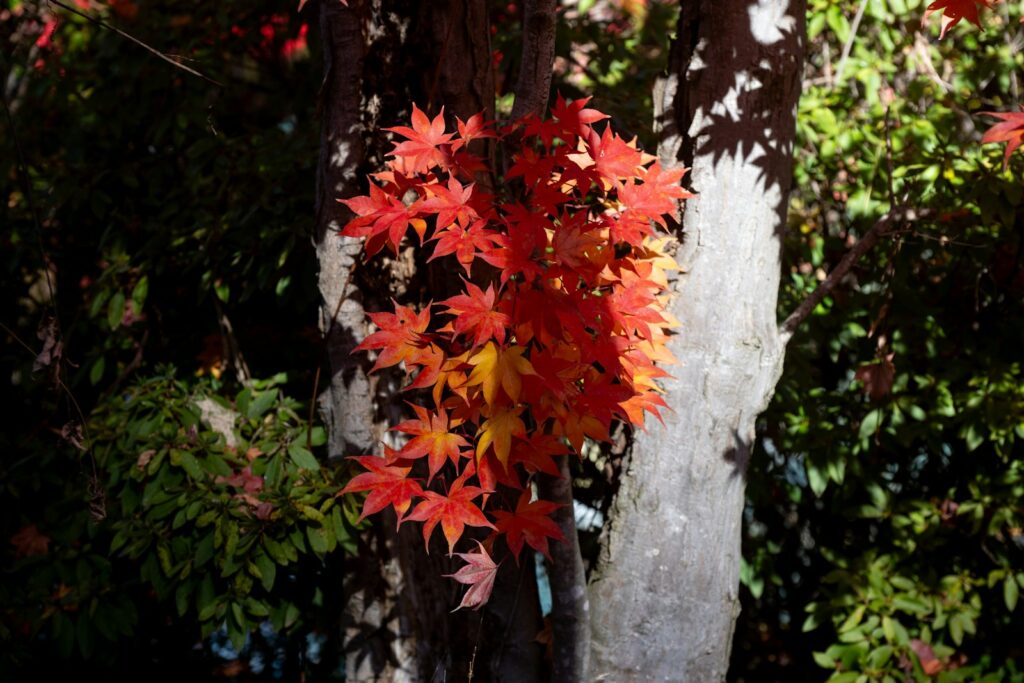
Winter is a great time to prune your deciduous trees. With their leaves gone, you can see the branches clearly and spot what needs trimming.
Pruning now helps trees heal faster and grow stronger in spring. It also lowers the risk of disease spreading through fresh cuts.
Apple, pear, and crabapple trees are especially good candidates for late winter pruning. Wait for a mild, dry day so you don’t damage the tree in cold or wet conditions.
Look for branches that are dead, broken, or crossing others. Cutting these back keeps your trees healthy and looking good.
Pear Trees
Pear trees respond well to winter pruning. With the tree dormant, it heals quickly and is ready to burst with new growth in spring.
Removing old or dead branches gives healthy parts more sunlight and air. This can mean fewer diseases and stronger branches for fruit.
Use sharp tools and focus on weak or crossing branches. Each careful cut sets your pear tree up for a better harvest.
Apple Trees
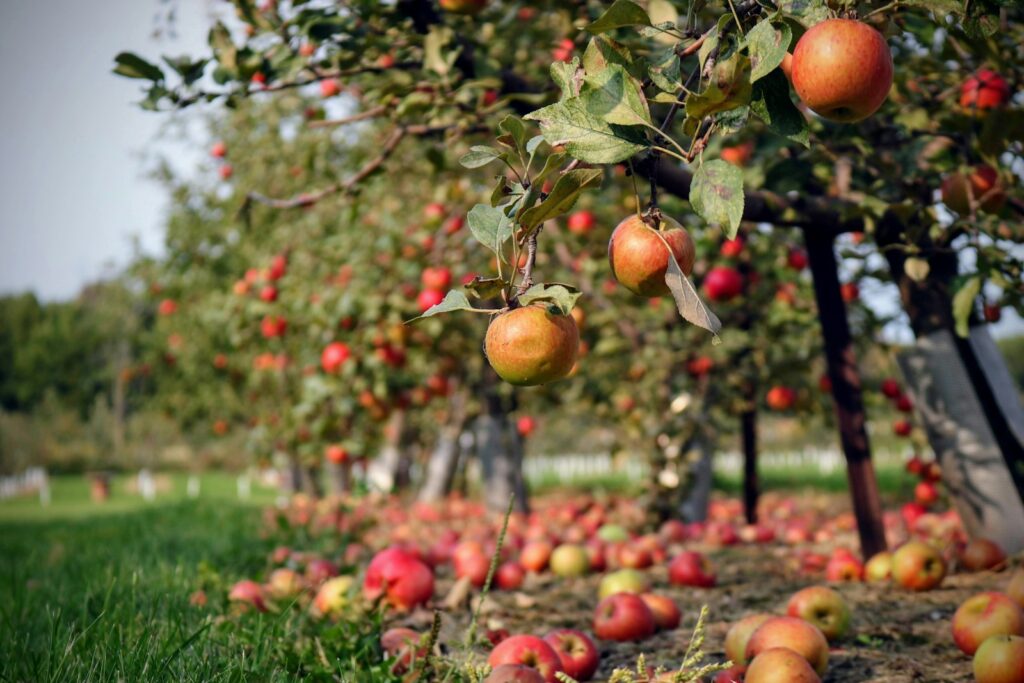
Late winter is the sweet spot for pruning apple trees. The tree is dormant, so you won’t trigger new growth that could be harmed by frost.
With the leaves gone, you can see the shape of the tree and remove crowded branches. This lets sunlight and air reach the center, helping the tree stay healthy.
Cut away dead or weak branches for a cleaner, stronger tree. Shaping your apple tree now pays off when it’s time to pick fruit.
Hydrangeas
Hydrangeas add bold color to any garden, but pruning them in winter depends on the type you have. Bigleaf and oakleaf hydrangeas bloom on old wood, so cutting them now can remove next year’s flowers.
For these, wait until after blooming in summer to prune. Panicle and smooth hydrangeas bloom on new wood, so you can safely prune them in late winter or early spring.
Getting the timing right helps your hydrangeas come back strong and full of blooms. Take a moment to check which kind you have before you start snipping.
Roses

Hold off on pruning roses until after the first hard frost. Cutting too early can encourage new growth that won’t survive the cold.
A light trim before winter removes dead or unhealthy wood. This helps roses weather the season without encouraging weak shoots.
If you live somewhere mild, late November to early December is usually the best window. Avoid pruning during warm spells to prevent untimely growth.
When winter ends, prune again to get your roses ready for a burst of healthy blooms. Good timing makes a big difference for survival and beauty.
Lilacs
Lilacs need a little timing finesse. Pruning in winter can remove the buds that form in fall, leaving you with fewer flowers.
The best time to prune is right after blooming in late spring or early summer. This keeps your lilacs healthy and full of fragrant blooms.
If your bush is overgrown, rejuvenation pruning can help bring it back. Always use clean, sharp tools to avoid spreading disease.
Mulching around the base in winter can protect roots and help your lilacs bounce back when spring arrives.
Grapevines
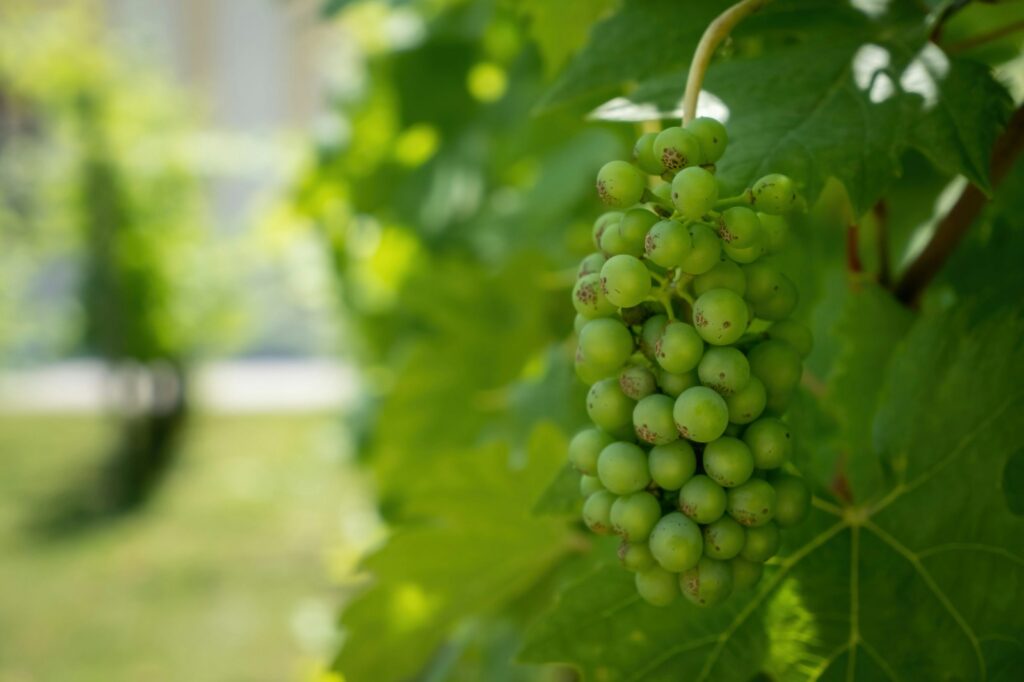
Winter is the best time to prune grapevines. When they’re dormant, usually from December to February, pruning shapes the plant for spring.
Remove old, woody canes and keep the new, fruiting ones. This encourages healthy shoots and a better grape harvest.
Sharp pruning shears make the job easier. Grapevines can handle a hard prune, so don’t be afraid to cut back more than you think.
Skipping winter pruning can mean tangled vines and less fruit. A little effort now leads to a better harvest later.
Spirea
Spirea is easy to manage in winter. For summer-blooming varieties, late winter is perfect for pruning while the plant is dormant.
Trim about one-third of the plant and remove dead or weak branches. This encourages strong new growth and plenty of flowers.
If your spirea looks overgrown, cut stems low, about eight inches from the ground. It will bounce back with energy and blooms.
Clematis
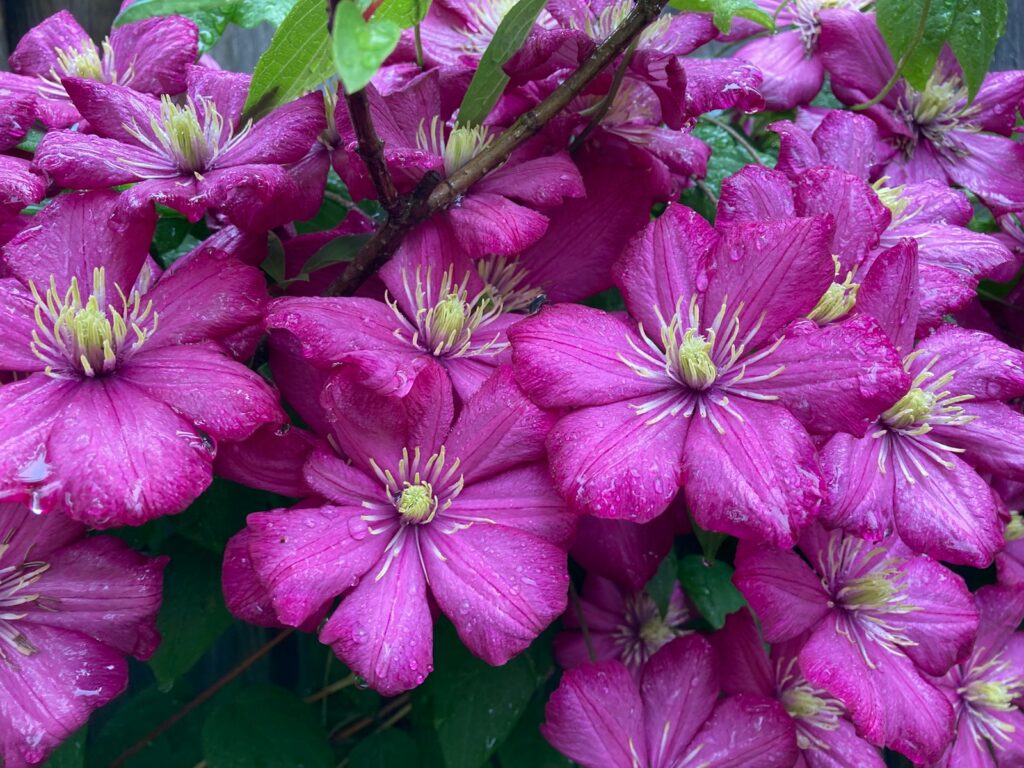
Pruning clematis can make a big difference, but timing depends on the type you have. Clematis plants fall into three groups based on bloom time, and each needs a different approach.
Most gardeners prune in late winter or early spring, just before new growth appears. This keeps the plant healthy and helps it flower.
Some types need only a light trim, while others need a harder cut. If you’re unsure, check the plant label or watch when it blooms.
Leave some vine at least two or three feet long to protect the plant and encourage strong growth. Tie vines in windy spots to keep them safe.
Avoid Pruning Evergreens
Evergreens are best left alone in winter. They keep their leaves or needles all year, and cutting them now can do more harm than good.
Pruning in cold months exposes inner branches to frost and slows healing. Wait until late spring or early summer when the plant is actively growing.
Avoid heavy trimming now to keep your evergreens looking their best next season.
Why Winter Pruning Matters
Winter pruning helps plants stay healthy and ready for strong growth when spring comes. It’s a chance to shape trees and shrubs without causing harm.
Cutting during dormancy reduces disease risk and lets more light and air reach the plant’s center. This is especially true for deciduous and fruit trees.
Many plants heal faster in winter since they’re not actively growing. Removing crowded or weak branches helps them use energy better.
Winter Pruning Safety Tips
Having the right tools and using good technique makes pruning safer for you and your plants. Protect yourself and your garden for the best results.
Use sharp, clean tools like bypass pruners, loppers, and hand saws. Wipe blades with rubbing alcohol before starting to prevent disease spread.
Cut branches at a 45-degree angle just above an outward-facing bud. This helps new growth reach sunlight and keeps cuts clean.
Wear gloves and eye protection, especially on windy days. Take your time and watch your footing on icy ground to avoid slips.
Avoiding Cold Damage

Timing your pruning is important when winter arrives. Only prune when the weather is dry and temperatures are above 20°F.
Wet or freezing conditions can make cuts more vulnerable to disease. Cold air also causes tender evergreens to lose moisture quickly, so avoid pruning them in deep winter.
Focus on deciduous trees and shrubs that are fully dormant. After pruning, you can apply a thin layer of dormant oil spray or wound sealant if needed to help protect cuts from pests and harsh weather.
Keep your plants mulched and watered to reduce stress during the cold months. These steps can help your garden make it through winter in better shape.