The Best Winter Mulches Nobody Talks About That Will Transform Your Garden
Have you ever wondered why some gardens bounce back so quickly after winter while others struggle? The secret often comes down to the mulch you choose when the cold sets in.
Winter mulching does more than just keep things tidy. It helps maintain warmth and moisture in your soil, making a world of difference for your plants as temperatures drop.
The best winter mulches not only protect your plants but also improve soil quality and add a little style to your garden beds.
You might assume all mulches work the same way, but some overlooked options can give your garden extra protection when you need it most.
These lesser-known mulches offer better insulation and moisture control, helping your garden survive the toughest winter days.
Knowing about these choices can make a big difference in how well your plants do through winter.
Cedar Wood Chips – natural aroma deters pests and insulates deeply!
Cedar wood chips bring more than just a rustic look to your garden. Their strong, natural scent helps keep pests at bay, so you can skip harsh pesticides.
They form a thick layer that holds heat in the soil, protecting roots from freezing on cold nights. Your plants get a reliable shield when the temperatures drop.
Cedar chips are also great for holding moisture, so your soil stays hydrated even in winter. Because they break down slowly, you won’t have to replace them often.
Their warm, reddish-brown color adds a cozy vibe to your winter landscape. Cedar wood chips give you pest control, soil protection, and a beautiful yard, all in one.
Straw Mulch – lightweight, breathable, and perfect for frost protection!
Straw mulch is a go-to for many gardeners when winter hits. It’s light and easy to spread, making it simple to cover your beds quickly.
Because straw is breathable, it allows air and moisture to move through. This keeps your soil healthy and helps prevent rot.
It’s especially good at insulating plants from frost, creating a layer that keeps roots safe. Straw mulch also helps the soil stay moist without becoming soggy.
As it breaks down, straw adds nutrients back into the soil. You can choose from wheat, barley, oat, or rice straw, depending on what’s available.
Straw is affordable and works well for most gardens, especially if you want to give your winter crops or perennials a fighting chance.
Pine Needles – acidify soil gently while shielding roots from cold!
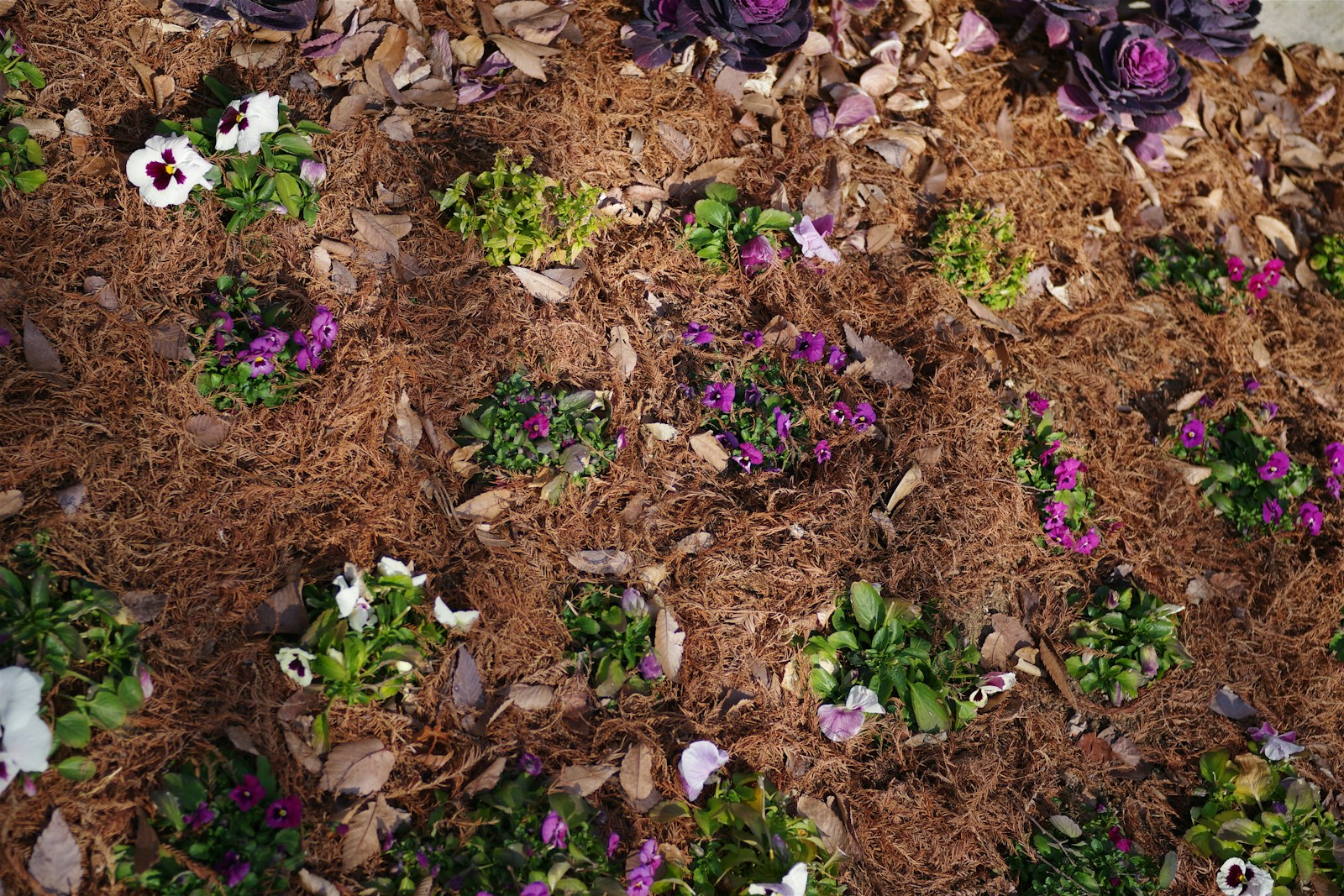
Pine needles are a smart choice for winter mulching. They create a natural blanket that keeps soil temperature steady, helping roots survive frost.
While you might worry about acidity, pine needles only affect soil pH slowly and gently. Fresh needles are acidic, but the impact is mild as they break down.
Pine needles allow water and air to pass through, preventing soil from getting too wet or dry. They decompose slowly, so you won’t need to replace them often.
This mulch is a natural way to protect your garden and can even help improve soil health over time.
Shredded Bark – durable and moisture-retentive magic for winter!
Shredded bark mulch is tougher than it looks. It stands up to cold weather, giving your garden steady protection all season.
This mulch is excellent at locking in soil moisture, which helps prevent your plants from drying out. Air and water still move through, so the soil doesn’t get compacted.
When you use shredded bark, you’re giving roots a cozy layer that slows temperature swings. It also keeps weeds at bay, saving you extra work.
You can choose pine, hardwood, or cypress bark, each breaking down slowly and adding nutrients as they go.
Compost Mulch – enriches soil while keeping winter chill at bay!
Compost isn’t just for feeding your plants in spring. Spread it on your garden beds before winter, and it acts as a protective blanket.
This layer keeps cold from reaching the soil too quickly, helping roots stay safe. As compost breaks down, it adds valuable organic matter and nutrients.
Compost mulch helps retain moisture, stopping the soil from drying out on windy days. It also prevents erosion and keeps weeds from taking over.
Just spread a 2 to 3 inch layer over your beds and let compost do the work for you through winter.
Leaves – free, nutrient-rich, and a cozy winter blanket!
If you have piles of fallen leaves, you’re sitting on one of the best winter mulches around. Leaves are free and easy to gather, making them perfect for gardeners who want to save money.
Spread leaves over your garden beds, and they’ll form a soft, insulating layer that keeps soil warm. As leaves break down, they add nutrients back into the soil.
Leaves also help your soil hold moisture, so you don’t have to water as often. If you’re worried about leaves packing down, shred them for a fluffier layer that lets air reach the soil.
Cocoa Hull Mulch – chocolaty scent and excellent for insulation!
Cocoa hull mulch brings a little luxury to your winter garden. Its rich brown color and chocolaty scent make your outdoor space smell amazing.
This mulch is made from cocoa bean shells, so it’s natural and eco-friendly. It insulates plants well, keeping soil warm and roots protected from frost.
Cocoa hulls break down slowly, adding nutrients to your soil and holding in moisture. They can also help reduce weeds.
Just be aware that cocoa mulch contains theobromine and caffeine, which can be harmful to pets, so use it with caution.
Cypress Mulch – long-lasting and great for soil warmth!
Cypress mulch is a favorite for gardeners who want something that lasts. It holds up through cold months without breaking down quickly.
This mulch helps lock in soil warmth, protecting roots from freezing. It also keeps soil moist, so you won’t have to water as much.
Cypress mulch smells fresh and natural, adding a pleasant scent to your garden. It also helps slow down weed growth by blocking sunlight.
While it’s not the most sustainable option, cypress mulch does a great job protecting your garden through winter.
Sawdust – fine texture that locks in moisture and temperature!
Sawdust might not be the first mulch you think of, but it works surprisingly well in winter. Its fine texture forms a cozy blanket over soil, keeping moisture in.
Sawdust also helps keep soil temperatures steady, protecting roots from cold snaps and frost. It’s good for weed control because it blocks light from reaching the soil.
If you use sawdust, remember it can take nitrogen from the soil as it breaks down. Add a little fertilizer or compost first to keep your plants happy.
Try sawdust as a natural, moisture-locking mulch this winter and see how it helps your garden.
Hay – thicker than straw, fantastic for heavy frost areas!
Hay is a great choice if your garden faces heavy frost. It’s thicker and denser than straw, trapping more air for better insulation.
Hay’s natural fibers help protect roots from freezing, keeping soil warmer during harsh weather. It’s perfect for areas with long, cold winters.
This mulch also holds moisture well, so your plants won’t dry out as easily. Hay breaks down faster than straw, adding nutrients to your soil as it decomposes.
Watch out for seeds in hay, as they can introduce weeds. Seed-free or treated hay helps you avoid that issue.
Understanding Winter Mulch Benefits
Winter mulch does more than just cover your garden beds. It plays a key role in keeping plants safe through cold weather by locking in warmth and moisture.
These benefits help your garden bounce back quickly when spring arrives.
Soil Insulation Explained
Mulch acts like a blanket over the soil, helping to keep the ground warmer by slowing down heat loss. Without mulch, soil can freeze deeply, making it tough for plant roots to survive.
It also prevents the soil from thawing and freezing too often during changing temperatures. This freeze-thaw cycle can damage roots and soil structure.
Thick organic mulches like wood chips, shredded bark, or straw work best for insulation. A 2 to 4 inch layer gives your soil warmth while letting roots breathe.
Moisture Retention Magic
Mulch holds moisture in the soil by reducing evaporation. Even in cold weather, plants can dry out if the soil loses water too quickly.
A good mulch cover traps water in the soil, keeping it available for roots. Wind and sun can dry soil fast, especially if the ground is frozen.
Organic mulches break down slowly, adding nutrients and improving soil health over time. Stable moisture levels help your plants recover faster in spring.
By insulating the soil and locking in moisture, winter mulch gives your garden the boost it needs to survive the cold months.
How To Get The Most From Lesser-Known Mulches
Lesser-known mulches like pine needles, straw, and shredded leaves often get overlooked but can work wonders if you use them right.
Applying them carefully and avoiding common errors helps your plants stay healthy and your soil thrive.
Best Application Practices
Mulching can make a big difference in how your plants handle the seasons. If you use straw or pine needles, aim for a layer about 2 or 3 inches thick.
This keeps moisture in and protects roots, but still lets air through. Spread the mulch evenly and keep it away from plant stems or tree trunks.
Shredded leaves need a little extra care. Mix them with garden soil or let them sit for a couple of weeks before spreading them out.
This helps prevent them from matting and makes it easier for them to break down. Once winter is over, add a thin new layer to freshen things up.
Water your soil before putting down any mulch. That way, the moisture stays locked in for your plants all season long.
Mistakes To Avoid
It’s easy to get carried away with mulch, but using too much can do more harm than good. Thick layers over four inches may trap moisture and lead to root rot or pest problems.
Fresh wood chips might seem convenient, but they can take nitrogen from your soil as they break down. This can leave your plants hungry for nutrients.
Keep mulch away from plant stems to prevent moisture from getting trapped right where diseases and rodents like to hide. Painted or chemically treated mulches can be risky, so stick with options that are safe for gardens.
When the new season rolls around, remember to clear away old mulch. Compacted mulch makes it tougher for water and air to reach your plant roots.