The Biggest Beginner Mistakes Gardeners Never Admit and How to Easily Avoid Them
Getting started with a garden brings a lot of excitement and hope for something beautiful. But let’s be honest, it’s easy to make mistakes that can set you back before you even realize what went wrong.
Some of the most common gardening mistakes are the ones nobody wants to talk about. They can be frustrating, and sometimes a little embarrassing, but knowing what to watch out for can save you trouble down the road.
Overwatering and drowning plants
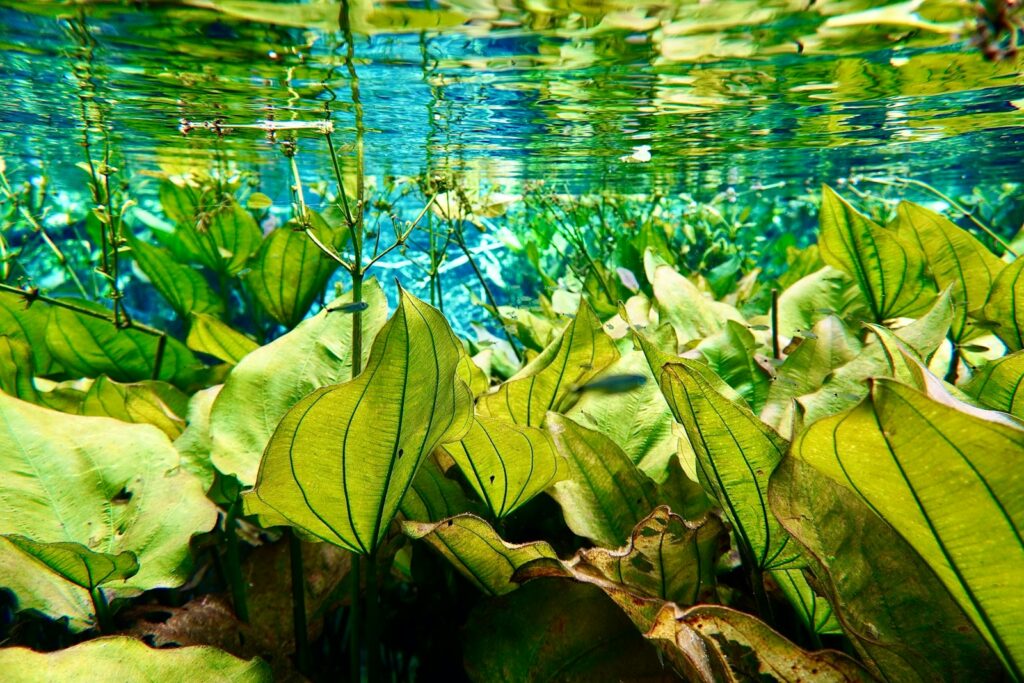
Giving your plants too much water feels like the right thing to do, but it can actually harm them. Roots need oxygen, and overwatering takes that away.
Look for yellow leaves with brown edges or mushy stems as signs your plants might be getting too much water. Before you water, stick your finger into the soil an inch or two deep. If it’s still wet, wait before adding more.
Watering on a fixed schedule without checking the soil can cause problems. Each plant is different, so learning their needs pays off.
Using pots with drainage holes helps stop water from sitting around the roots. If you notice overwatering, let the soil dry out before watering again.
Choosing the wrong garden location
Not every patch of dirt is the same, and where you put your garden really matters. Sunlight is a big factor—some plants want full sun, others need shade.
Drainage is just as important. If your garden sits in a spot that stays wet, roots can suffer. Too dry, and your plants might not make it.
Give your plants room to spread out. Crowding can slow growth and invite pests.
Watch your chosen spot at different times of the day to see how much sun it gets. This small step can save you a lot of frustration later.
Planting too densely
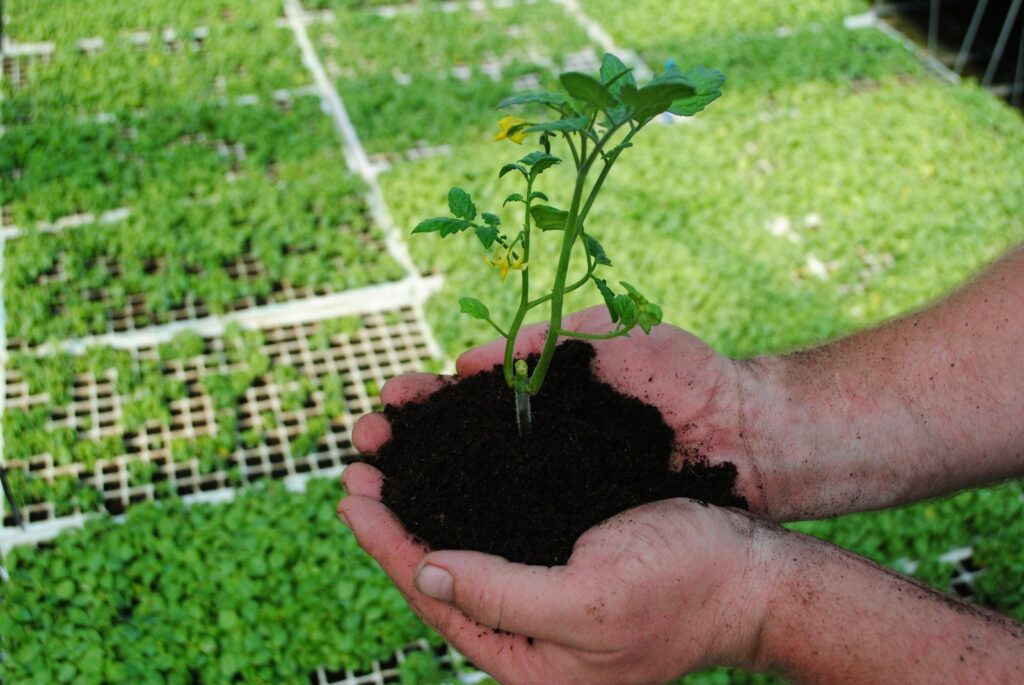
It’s tempting to fill every inch of your garden with plants, but crowding them together can backfire. Plants that are too close compete for sunlight, water, and nutrients.
When air can’t flow between plants, diseases can spread more easily. Giving your plants enough space helps them grow stronger and healthier.
Check seed packets or gardening guides for spacing advice. Taking the time to space things out makes a big difference in how your garden looks and grows.
Ignoring soil health and composition
Healthy soil is the foundation of a good garden, but it’s easy to overlook. Without knowing your soil’s pH and nutrient levels, you might be setting yourself up for disappointment.
A simple soil test from the garden store can tell you what your soil needs. This helps you fix problems before they start.
Adding compost or organic matter improves soil texture and boosts nutrients. Good soil makes watering easier and helps roots spread out.
Taking care of your soil from the beginning saves you headaches later and leads to a more productive garden.
Neglecting proper watering schedules
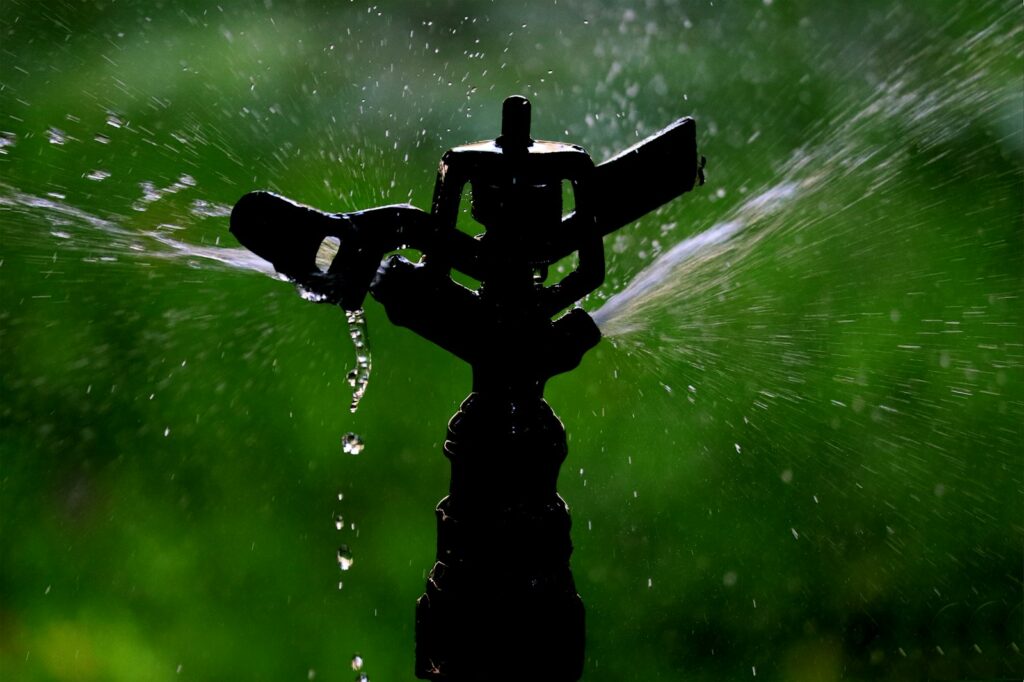
Watering your garden the same way every day might not work for every season or plant. Plants need more water in spring and less as the weather cools.
If you don’t adjust, you risk overwatering or underwatering. Both can leave your plants struggling.
Try to water at regular times so roots grow stronger. Consistency helps plants take in nutrients and stay healthy.
Paying attention to how much and when you water saves both your plants and water. A small change here can really pay off.
Starting with difficult-to-grow plants
It’s easy to fall for the prettiest flowers or unique plants, but some are tough for beginners. High-maintenance plants need special care and can be sensitive to changes.
If you start with tricky plants, it’s easy to get discouraged. Even with effort, they might not thrive.
Try starting with easy-to-grow options first. Quick success builds your confidence and helps you learn the basics.
Once you feel comfortable, you can add more challenging plants to your garden.
Forgetting to mulch for moisture retention
Skipping mulch is a common mistake that makes your garden work harder to stay healthy. Without mulch, soil dries out quickly, especially in the heat.
Mulch acts like a blanket, keeping moisture in and soil cool. This means less watering for you and happier plants.
It also keeps soil soft, so roots can grow easily. Just add a layer of bark, straw, or leaves around your plants.
A little mulch goes a long way to keeping your garden thriving.
Ignoring pest and disease signs
Small holes in leaves or wilted plants can be easy to ignore, but these are early warning signs. Catching them quickly can save your garden.
Pests and diseases spread fast if left alone. Check your plants often, looking at leaves, stems, and soil.
Using gentle, natural remedies early on can stop bigger problems. Staying alert keeps your plants strong and healthy.
Skipping soil testing before planting
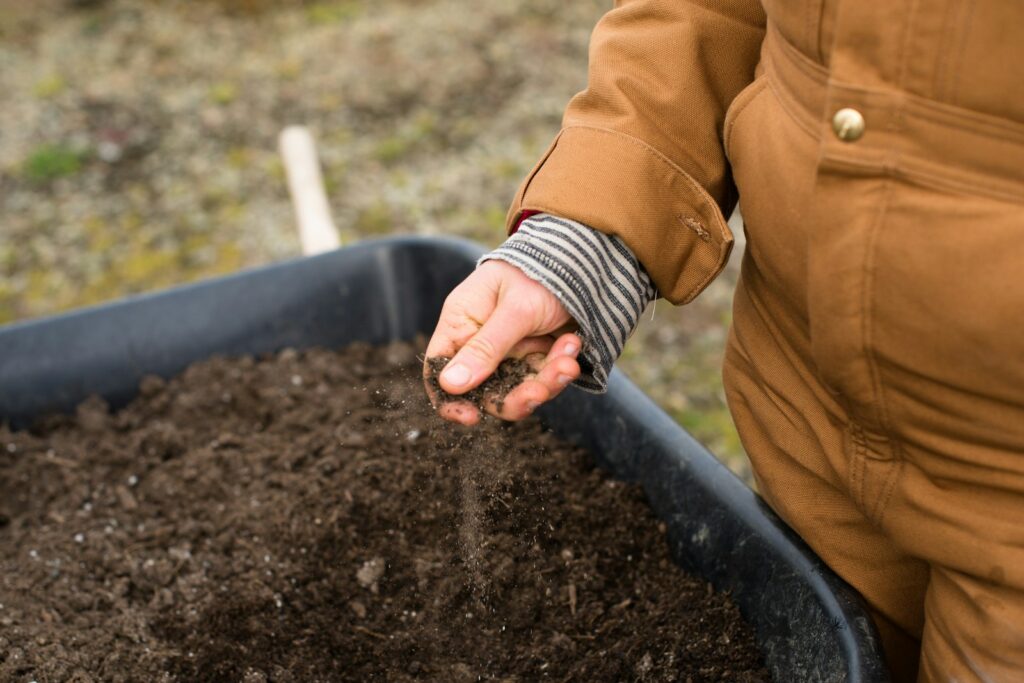
Soil testing might sound like extra work, but it’s one of the smartest things you can do. Without it, you’re guessing what your soil needs.
Knowing your soil’s pH and nutrients helps you avoid wasting money on the wrong products. Soil can be too clay-heavy or sandy, and each type needs different care.
A simple test before planting helps you fix problems early. Your plants will have a much better start.
Using excessive fertilizers prematurely
It’s tempting to give new plants a big boost with lots of fertilizer, but too much too soon can cause more harm than good. Young roots can get burned, and growth can slow down.
Start with a light application and increase as your plants grow stronger. This helps them absorb nutrients without stress.
Patience pays off. Feeding your plants at the right time leads to healthier growth and saves you money.
Understanding the Foundations of Successful Gardening
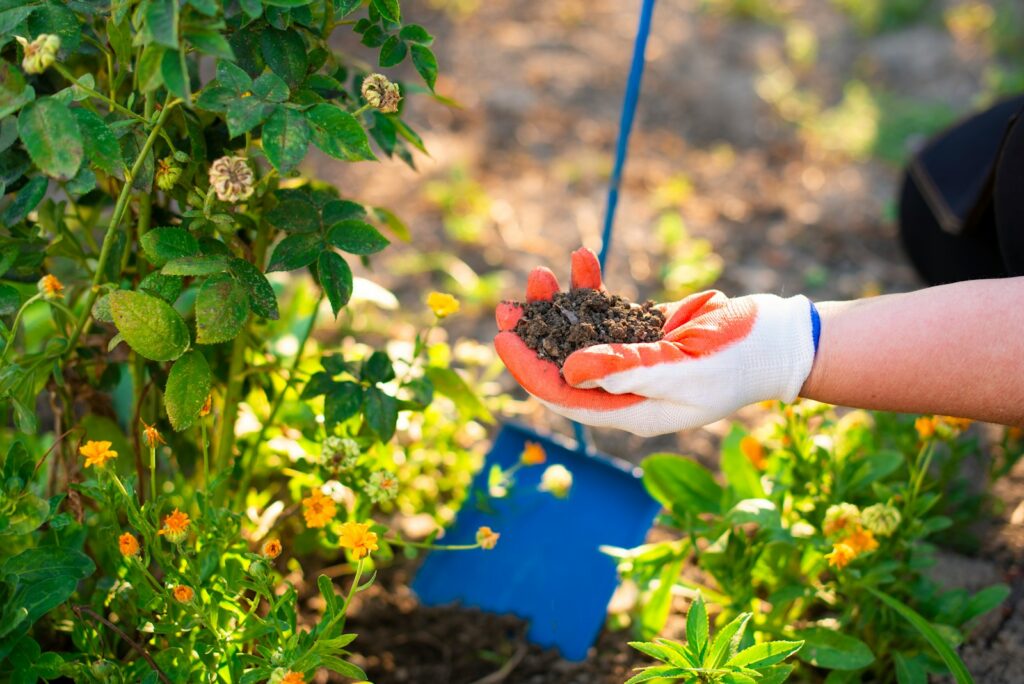
A thriving garden starts with paying attention to a few basics. The soil you use and how you water are two of the most important things to get right.
Good soil holds nutrients and keeps roots healthy. When it’s rich and crumbly, air and water can reach the roots easily.
You can improve soil by adding compost or organic matter. Testing the pH helps you balance it for your chosen plants.
Avoid planting in soil that looks dry, hard, or weedy. Preparing the ground well makes a big difference.
Watering regularly and at the right time helps plants stay strong. Overwatering and underwatering both cause problems.
Try watering early in the morning or late afternoon to keep water from evaporating too quickly. Check soil moisture with your finger before watering.
Consistency is important. Healthy plants need steady care, and a little attention goes a long way.
Developing a Growth Mindset for Gardening
Gardening teaches you something new every season. Paying close attention to how your plants react helps you learn what they need.
Mistakes are part of the process, and every gardener makes them. The key is to see them as chances to improve.
When leaves turn yellow or flowers don’t bloom, look for clues about what to change. Adjust watering, soil, or sunlight as needed.
Keeping a garden journal helps you track what works and what doesn’t. You’ll notice patterns and learn faster.
Watching for helpful bugs or pollinators is another way to judge your garden’s health. Paying attention to these details makes each season better than the last.
Overcoming the Fear of Making Mistakes
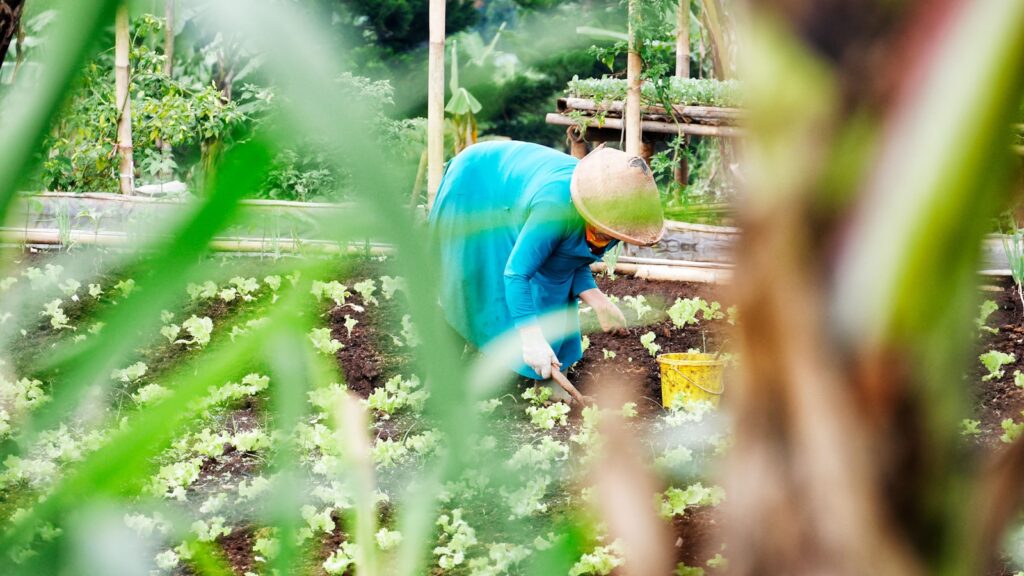
Starting something new can feel intimidating, especially when you’re worried about messing up. Mistakes are part of the process, and they happen to everyone.
Trying out new plants or techniques might not always go as planned. Each time things don’t work out, you gain a bit more know-how for the next round.
Begin with small experiments, like testing different soil mixes or planting in a few spots around your yard. If something doesn’t work, you haven’t lost much, but you’ve learned a lot.
Next time you notice a plant struggling, pause and ask yourself what it might need or what you could tweak. Shifting your perspective makes it easier to see mistakes as helpful lessons for your garden journey.