The Biggest Soil Mistake Gardeners Make Before Spring Planting
Spring is just around the corner, and the urge to get outside and dig in the dirt is real. If you’re dreaming of a lush, productive garden this year, it all starts with what’s under your feet.
A lot of us jump right into planting, forgetting that the soil needs some love before anything else. Overlooking this step can make your gardening season a lot harder than it needs to be.
Ignoring Soil Testing and pH Levels
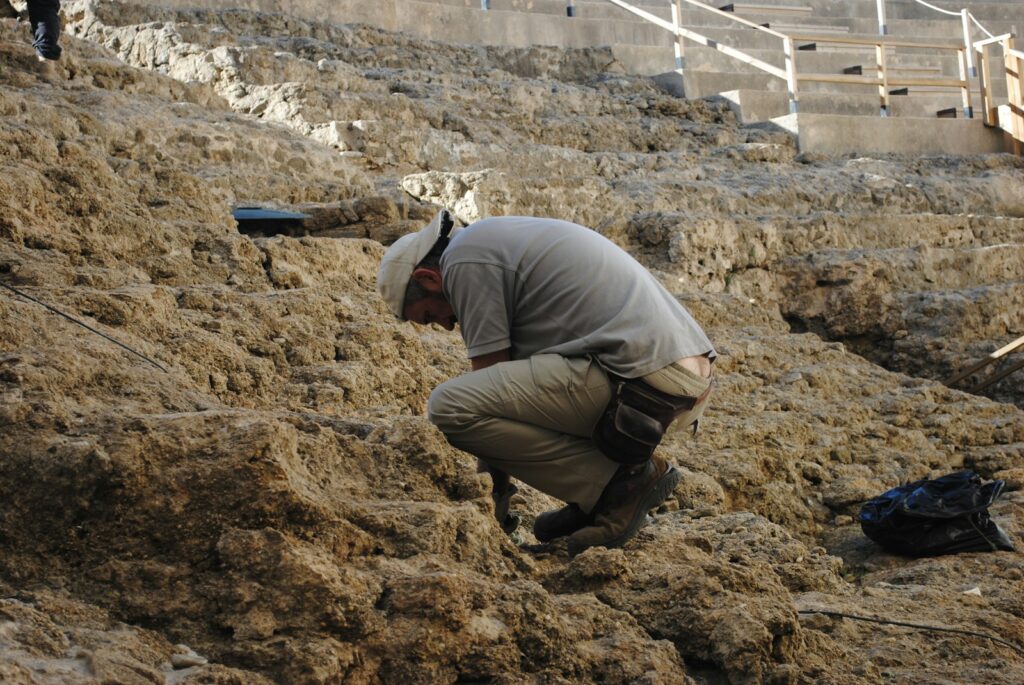
It’s easy to assume your garden soil is good enough, but skipping soil testing can set you up for disappointment. Testing reveals your soil’s pH level and nutrient content.
If you plant without knowing this, your soil might be too acidic or alkaline for your plants. Soil pH controls how well plants absorb nutrients.
When pH is off, nutrients can get trapped in the soil. Even with fertilizer, your plants could end up with yellow leaves or slow growth.
Some plants, like blueberries, need soil in a certain pH range. Adjusting pH is simple with lime or sulfur, but you need to know your starting point.
Testing your soil takes out the guesswork. You’ll know exactly what to fix, saving time and effort down the line.
Overworking and Compacting the Soil
It might feel productive to dig and till your soil a lot, but too much work can actually do harm. Overworking breaks down soil structure and leads to compaction.
Compacted soil makes it tough for roots to spread and for water and air to reach them. Plants need loose soil to grow strong.
If you dig when the soil is wet, it clumps and packs tightly. This limits airflow and can stunt plant growth later.
Instead, wait until soil is dry enough and use gentle aeration. The right tools can help keep your soil loose and healthy.
Failing to Amend Nutrient Deficiencies
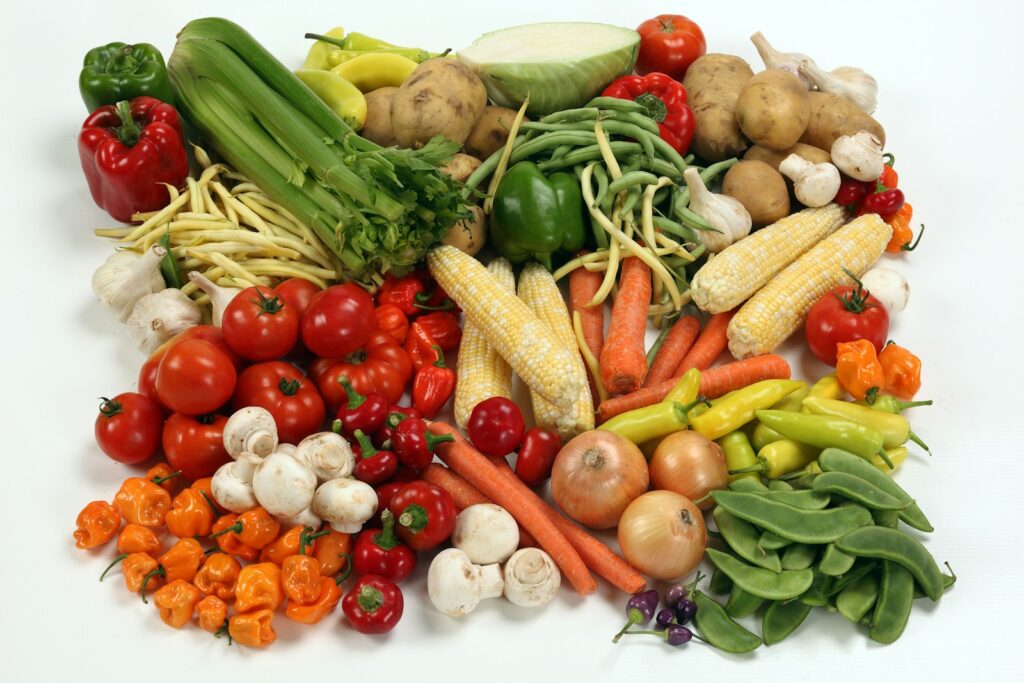
Not fixing nutrient problems before planting is a common pitfall. Soil that’s low in nitrogen, calcium, or phosphorus can leave your plants weak or unproductive.
Nutrient deficiencies might show up as yellow leaves or poor flowering. If you skip this step, your garden might not reach its potential.
A soil test tells you exactly what’s missing. Then you can add compost or specific fertilizers to restore balance.
Adding organic matter before planting helps improve nutrient levels and water retention. Healthy soil supports strong roots and better harvests.
Planting Too Early Before Last Frost
It’s tempting to get a head start, but planting before the last frost can backfire. Seeds and seedlings in cold soil grow slowly or may stop growing altogether.
Young plants are especially vulnerable to frost. Even a light freeze can damage or kill them, wasting your hard work.
Soil temperature matters as much as the calendar. If soil stays below 50-60°F, roots won’t develop well.
Waiting for warmer weather and knowing your area’s last frost date gives your plants the best chance to thrive.
Neglecting Organic Matter Addition
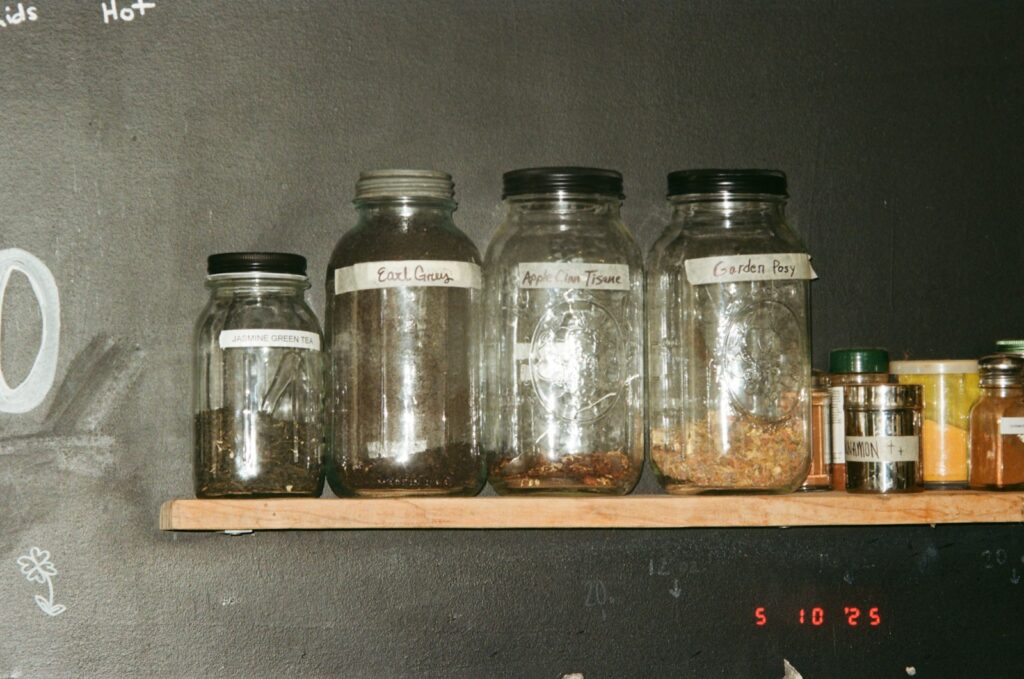
Skipping organic matter is a mistake that’s easy to make. Compost and well-rotted manure improve soil texture and fertility naturally.
Without enough organic matter, soil gets hard and compacted. Roots struggle to get air and water.
Good soil needs pore spaces for air and moisture to move. Organic matter helps create that balance.
Try to add compost or other organic material at least once a year. This habit builds better soil and supports healthier plants.
Skipping Proper Soil Drainage Assessment
Thinking your soil drains well without checking can cause big headaches. If water pools or drains away too fast, roots won’t develop properly.
Testing drainage shows how water moves through your soil. It lets you know if you need to add sand or organic matter to fix issues.
Poor drainage can lead to weak plants and disappointing harvests. Roots need both water and oxygen.
Take a little time to check drainage before planting. It’s a small step with a big payoff.
Ignoring Soil Texture and Structure
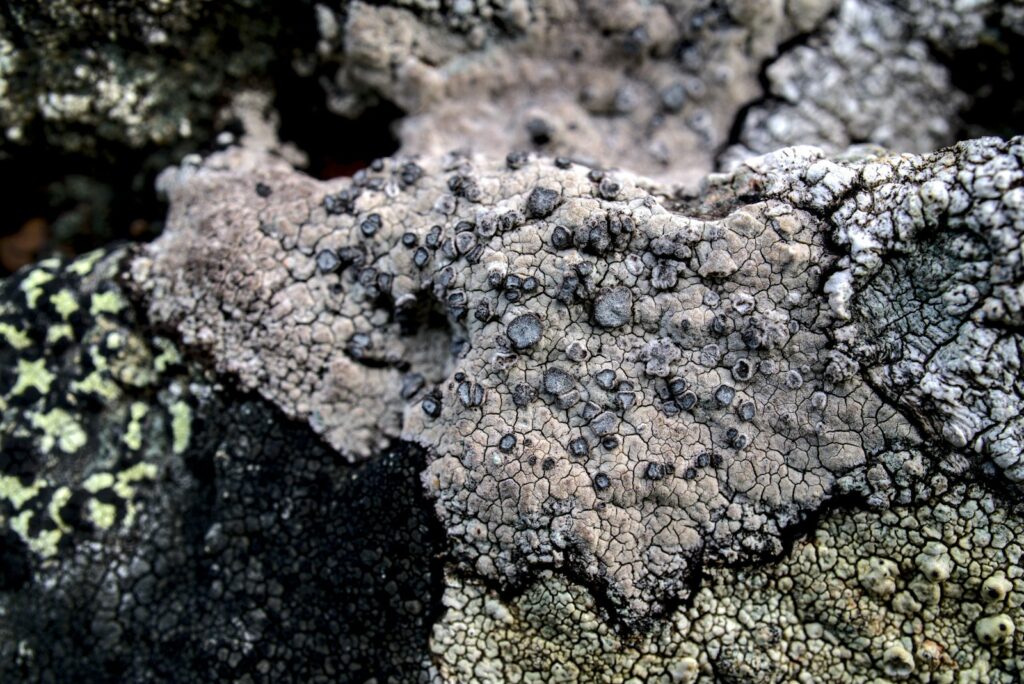
Soil texture and structure might not sound exciting, but they make a huge difference. Texture refers to the size of soil particles.
Too much clay makes soil heavy, while sandy soil drains too fast and loses nutrients. Loam, a mix of sand, silt, and clay, offers the best of both worlds.
Structure is about how those particles stick together. Good structure means crumbly soil with air pockets.
Roots need air and easy access to water. If soil is packed or falls apart, plants won’t grow as well.
Learn what kind of soil you have and make small changes with compost or amendments. Your plants will show the difference.
Using Excessive or Wrong Fertilizers
Using too much fertilizer can backfire. Over-fertilizing causes salt buildup and can burn roots.
Salt in the soil makes it hard for plants to take in water. This leaves them stressed and weak.
Choosing the right fertilizer matters. Not every plant or soil type needs the same thing.
Timing is important too. Fertilizing just before heavy rain can wash nutrients away.
Start with a soil test and follow the recommended amounts. The right fertilizer at the right time helps your garden thrive.
Not Allowing Soil to Warm Up Adequately
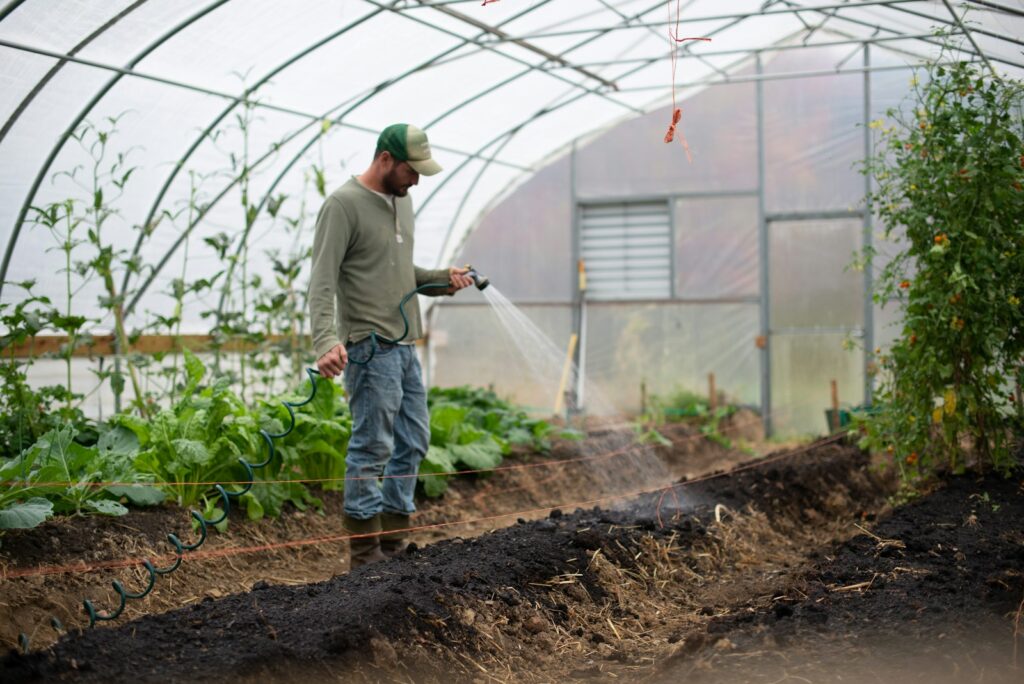
It’s tough to wait, but planting in cold soil slows down seed germination and root growth. Most warm-weather crops need soil temperatures around 60°F or higher.
If you plant too early, seeds may not sprout and plants could become weak. This delays your whole garden.
You can help soil warm up by using clear plastic or row covers. They trap heat and give your seeds a better start.
Warm soil means faster germination and stronger plants. A little patience pays off.
Overlooking Soil Microbial Life
The tiny living things in your soil are easy to forget. Microbes like bacteria and fungi break down organic matter and release nutrients for plants.
Without them, nutrients stay locked up and plants struggle. Adding compost or organic matter feeds these helpful microbes.
Avoid harsh chemicals that can harm soil life. Healthy microbial activity means healthier plants.
Supporting these invisible helpers gives your garden a natural boost.
Understanding Soil Health For Spring Success
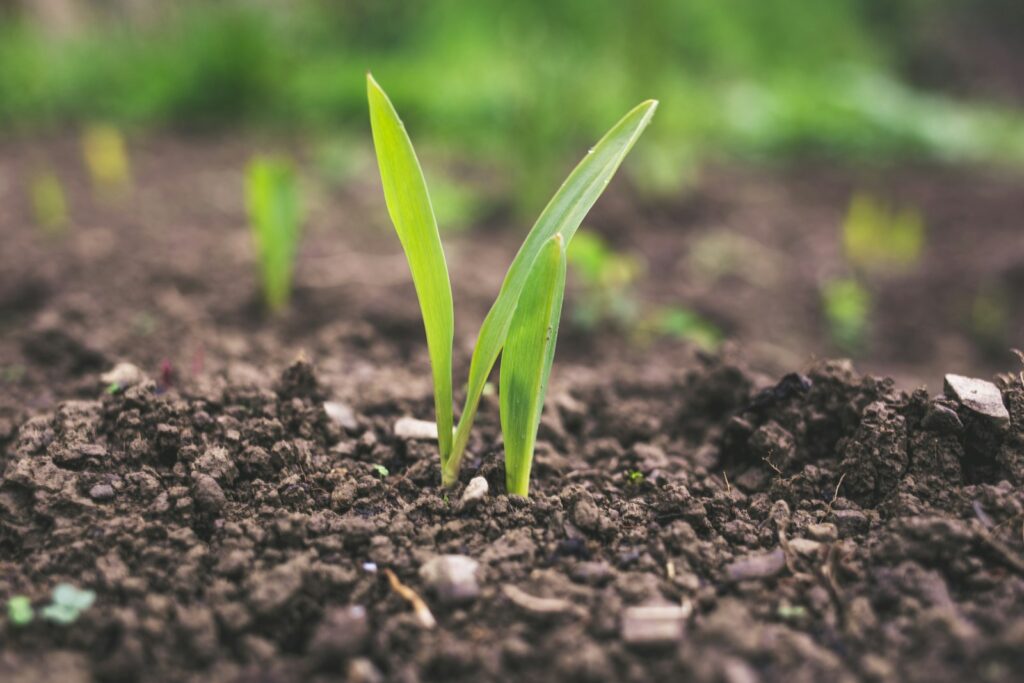
Great gardens start with healthy soil. When the soil is in good shape, plants grow stronger and resist pests.
Pay attention to how your soil looks and feels. Hard, compacted soil or puddles can signal problems.
Yellow leaves or uneven growth might mean nutrient issues. Testing pH and nutrient levels helps you spot imbalances before they become bigger problems.
Adding compost and avoiding over-tilling keeps soil healthy and ready for planting.
Correcting Key Soil Mistakes
Before you plant, focus on two things: getting the right nutrients and improving soil structure. This gives your plants the best possible start.
Balancing Soil Nutrients
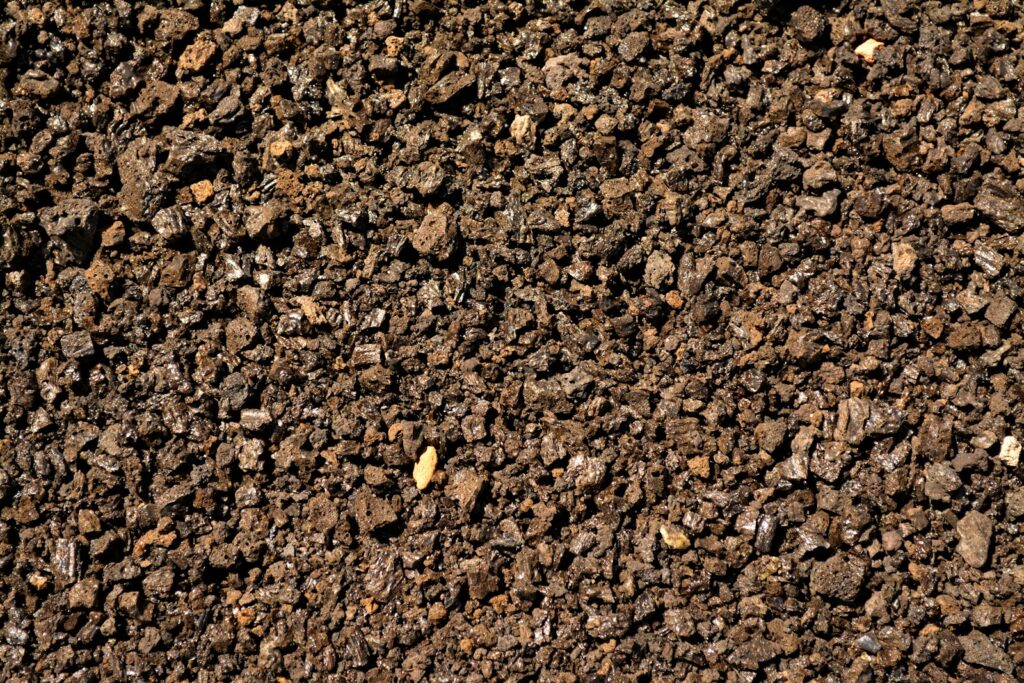
Plants need a mix of nutrients like nitrogen, phosphorus, and potassium. Guessing how much to add can lead to problems.
Testing your soil shows what it’s missing. This way, you avoid overdoing it.
- Use compost to add nutrients naturally.
- Slow-release fertilizers keep nutrients steady for longer.
- Too much nitrogen can mean lots of leaves but few flowers or fruit.
- Most plants like a pH between 6 and 7 for best absorption.
Balanced nutrients help your plants thrive and save you time and money.
Improving Soil Structure The Right Way
Ever noticed how water just sits on top of your garden after it rains? Or maybe your plants struggle to grow deep roots. That could be a sign your soil structure needs some attention.
Soil structure is all about how the particles in your soil stick together. When the structure is good, roots can spread out, water soaks in, and air moves around easily.
If your soil feels hard or clumpy, try to avoid heavy tilling. Over-tilling can break down helpful soil clumps and disturb the tiny organisms that keep soil healthy.
Instead, use a garden fork or broadfork to gently loosen the soil. This makes it easier for roots to find their way down.
Adding organic matter like compost or well-rotted manure on a regular basis can make a big difference. It helps the soil hold onto moisture while still allowing extra water to drain away.
After you plant, put down a layer of mulch. This helps keep the soil loose and holds in moisture.
Try not to walk on your garden beds. Stepping on the soil can pack it down and make it harder for roots to grow.
Planting cover crops in the fall is another way to boost soil structure naturally. These plants add organic material and protect the soil over winter.
With a little effort, you can create a garden bed where roots stretch deep and plants thrive all season long.