The Composting Advice That Sounds Right but Often Fails in Real Gardens – Surprising Truths You Need to Know
If you’ve tried composting at home, you know it’s not always as simple as the tips you see online. Sometimes you follow all the “right” steps and still end up with a smelly, soggy pile that seems to attract more pests than it does healthy soil.
It’s easy to feel frustrated when your compost doesn’t break down the way you expected. Real-life gardens don’t always follow the rules, and some common advice just doesn’t work in every backyard.
Let’s dig into some popular composting tips and see why they can fall short—and what you can actually do instead.
Composting Smells Bad Due to Overwatering
It can be tempting to drench your compost pile, thinking water will speed things up. Unfortunately, too much water is one of the fastest ways to get a stinky compost heap.
When your pile gets soggy, it loses airflow. Without enough oxygen, bacteria that cause bad smells take over.
If your compost smells like rotten eggs or a swamp, it’s probably too wet. The solution is to keep the pile as damp as a wrung-out sponge, not soaked.
Add dry materials like leaves or shredded paper to soak up excess moisture and help air move through the pile. This will get things back on track and keep your yard smelling fresh.
More Browns Always Fix Smelly Compost—Not Always True
Adding more browns, like dry leaves or paper, is often suggested as a fix for smelly compost. It does help balance out wet, green materials, but it’s not a cure-all.
Sometimes, the real problem is that your pile isn’t getting enough air. Even with extra browns, a lack of airflow can keep things smelly.
Turning or mixing your compost is just as important as balancing ingredients. Without air, you’ll still get those unpleasant odors.
Not all browns break down at the same rate, either. Make sure you’re mixing and managing your pile, not just piling on more dry stuff.
Adding Garden Soil Alone Won’t Kickstart Composting
It sounds logical to add garden soil to your compost pile, hoping the microbes will jumpstart the process. In reality, soil alone won’t make your compost break down faster.
Soil does have helpful microbes, but it doesn’t provide the right mix of nutrients or activity needed for composting. Composting works best with a combination of greens and browns, not just soil.
If you’re only adding soil, you’re missing out on the balance and moisture that compost really needs. Focus on mixing kitchen scraps and dry materials, and turn your pile regularly.
Compost Pile Needs to Be Huge to Work Well—Small Piles Can Thrive
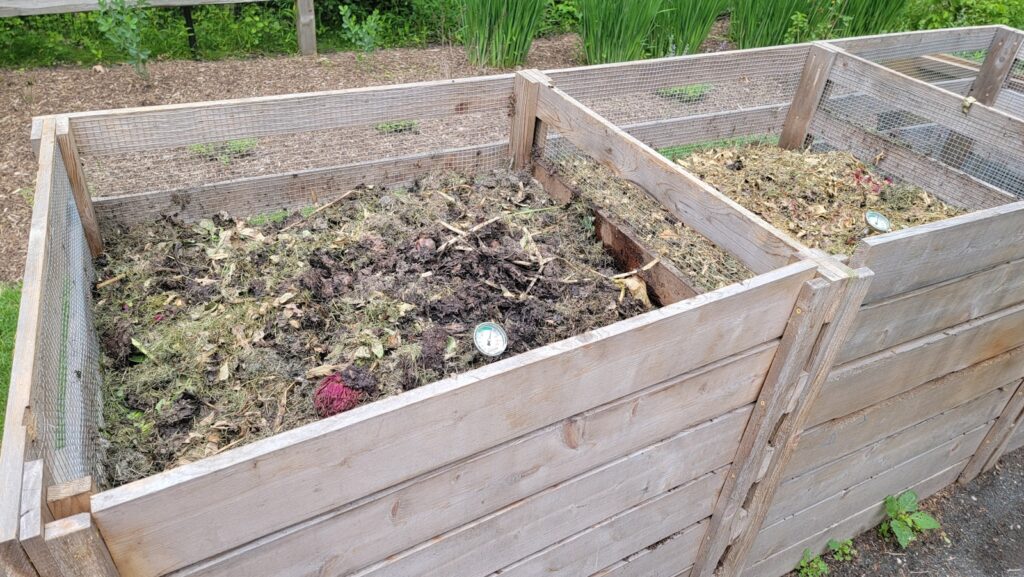
You might have heard that you need a giant compost heap to get good results. The truth is, small piles can work just as well when you care for them properly.
The trick is keeping a balance of greens and browns, even in a small space. Mixing the right materials helps your pile heat up and break down efficiently.
Turning your compost and keeping it damp (but not wet) makes all the difference. Even a little pile can produce rich soil if you give it some attention.
Turning Your Compost Every Day Speeds Up Process—Overturning Can Hurt Microbes
It’s easy to assume that turning your compost every day will make it break down faster. While turning does add oxygen, overdoing it can actually disrupt the process.
When you flip your pile too often, you can dry it out or throw off the balance microbes need to thrive. This slows everything down.
Try turning your compost every few days instead of daily. This gives microbes time to do their work and keeps the pile healthy.
Finding a rhythm that works for your schedule and your compost is key.
All Fruit Scraps Are Great—Citrus Can Slow Down Compost
Tossing fruit scraps into your compost seems like a no-brainer. Most fruits, like apples and berries, break down quickly and add lots of nutrients.
Citrus, like oranges and lemons, acts differently. The acids in citrus can slow down the composting process and may bother helpful microbes if you add too much.
You don’t have to skip citrus altogether. Just chop it up small and mix it with plenty of dry materials to keep your pile balanced.
A little extra care with citrus will help your compost stay healthy and active.
Using Too Much Nitrogen-Rich Food Waste Causes Sludge
Adding lots of green waste, like fruit and veggie scraps or grass clippings, can seem like a good idea. But too much nitrogen creates a wet, slimy mess that’s tough to fix.
This happens because high nitrogen materials hold more moisture and can pack down, cutting off air. Without enough oxygen, your pile starts to smell and breaks down poorly.
Mix your food waste with plenty of dry, carbon-rich materials like leaves or paper. This keeps your compost light, fluffy, and full of oxygen.
If your pile turns slimy or starts to stink, it’s a sign to add more browns and mix things up.
Compost Should Be Always Hot—Cold Compost Still Works
Hot composting gets a lot of attention because it works quickly and kills weed seeds. But not everyone has the time or space to make a hot pile.
Cold composting is slower, but it still turns your kitchen scraps and yard waste into good soil. You don’t have to turn it as much or worry about getting the temperature just right.
If you’re busy or have a small space, cold composting is a great option. Your compost will still break down—just at a gentler pace.
Raw Manure Is Safe for Compost—Needs Proper Handling to Avoid Hazards
Raw manure can be a powerful addition to your compost, but it needs careful handling. It’s full of nutrients but can also carry harmful bacteria.
To make manure safe, your compost pile needs to get hot enough to kill off pathogens. This means reaching and holding the right temperatures for a while.
Regularly turning the pile and keeping track of your process helps make sure it’s safe. If you skip these steps, there’s a risk of spreading bacteria to your garden.
Handle manure smartly, and it can be a great way to boost your soil naturally.
Leaf Mold Isn’t Useful Compost—It Provides Valuable Organic Matter
Leaf mold is made from decomposed leaves and is sometimes overlooked. It doesn’t have as many nutrients as compost, but it’s still a great addition to your garden.
Adding leaf mold to your soil improves its texture and helps it hold water. It also creates a home for helpful creatures like earthworms.
Using leaf mold alongside compost gives you both nutrients and better soil structure. It’s a simple way to make use of all those fallen leaves in your yard.
Why Composting Myths Persist
A lot of composting myths stick around because they sound simple and easy to follow. These tips often get passed down from old books, websites, or friends who mean well.
Social media can spread these ideas even faster. People share advice that might work in one garden but not in another.
Sometimes, the advice is based on real problems, but the solution isn’t always as simple as it sounds. That’s why it’s easy to fall into the trap of following a myth.
The Real Science Behind Compost Success
Successful composting comes down to balancing the right mix of materials and giving microbes what they need. When you pay attention to moisture, airflow, and ingredients, you’ll turn your waste into garden gold.
Balancing Green and Brown Materials
Getting your compost to break down just right takes a little know-how. It all starts with mixing the right kinds of scraps together.
Green materials are things like veggie scraps, grass clippings, and coffee grounds. These provide nitrogen, which helps microbes grow.
Brown materials include dry leaves, straw, and paper. They add carbon, which gives microbes energy.
Aim for about three parts brown to one part green by volume. If you use too many greens, the pile can get wet and start to smell.
Too many browns, on the other hand, slow the process because there isn’t enough nitrogen. Chopping or shredding big pieces can help everything break down faster.
Keep your pile moist, like a wrung-out sponge. If the pile is too dry, it won’t break down well, but if it’s too soggy, air can’t get in for the microbes.
Understanding Microbial Activity
Ever wonder what’s really happening in your compost pile? Microbes like bacteria and fungi are busy behind the scenes, breaking everything down into rich, healthy soil.
They need oxygen, moisture, and the right temperature to keep working efficiently. Good airflow is important, so make sure to turn your pile every week or two.
Not enough oxygen can lead to bad smells and slow things down. The best temperature range is between 110°F and 160°F, which helps kill off pathogens and speeds up the process.
Moisture should be steady but not soggy, ideally around 40 to 60 percent water content. If your pile gets too dry, the microbes might slow down or stop.
Too much water means oxygen can’t get in, and that’s not good for your compost. Checking on these conditions helps keep your compost pile active and healthy.